

By Albert David
In Sierra Leone today, the civic space, the arena where citizens should freely express grievances and demand accountability, has been hijacked. Institutions entrusted with safeguarding rights have instead become instruments of suppression, silencing victims and shielding perpetrators.


Edwina, a young law student, stands as a symbol of how deeply compromised Sierra Leone’s justice system has become. Her pursuit of justice was met not with protection but with humiliation, denial, and abandonment. DNA evidence confirmed misconduct by a senior judicial figure, Justice Momoh‑Jah Stevens
yet the state failed to provide her with psychological counselling, legal protection, or even the basic dignity owed to her as a citizen.
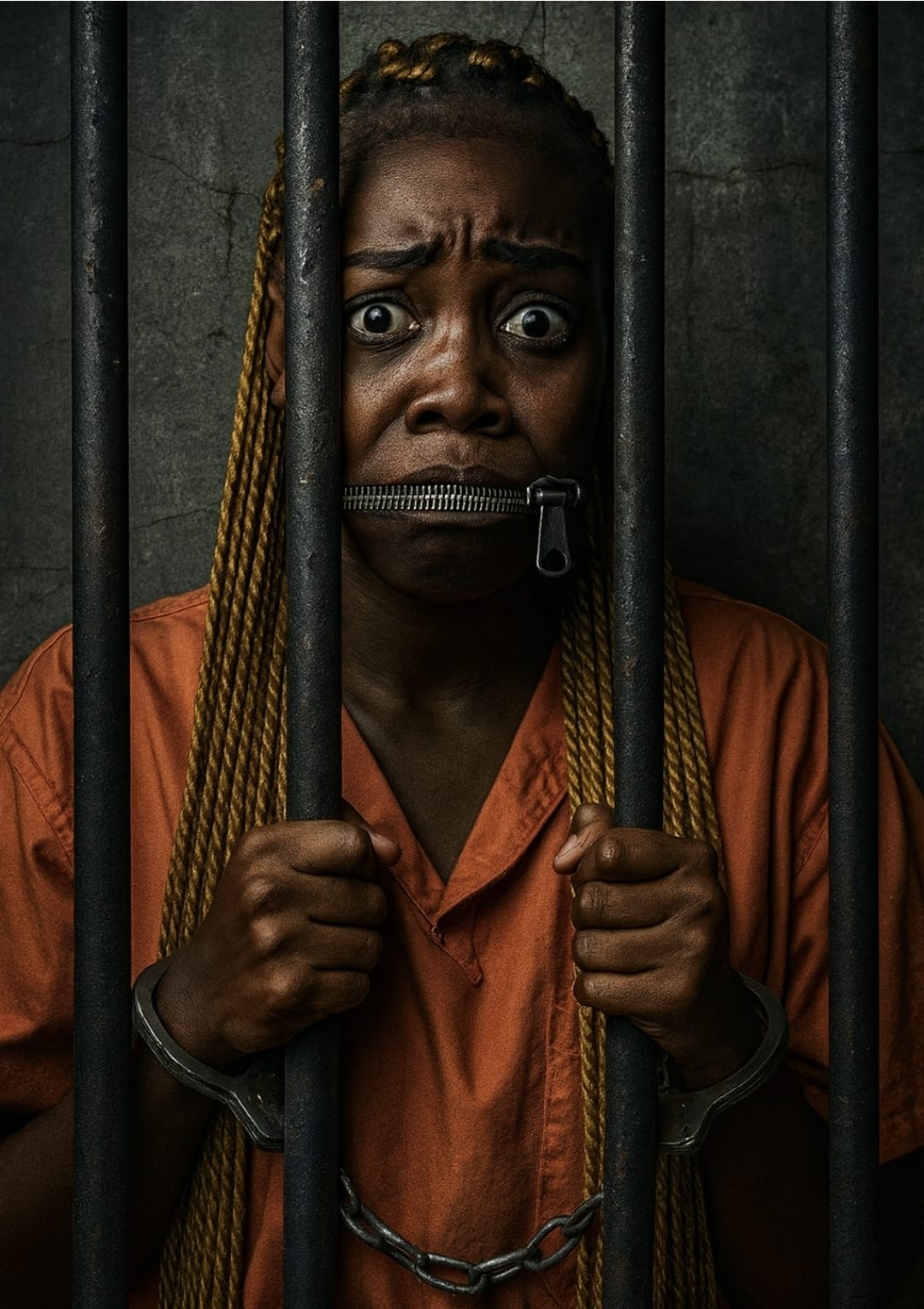
When she dared to speak out publicly, she was arrested under the pretext of “cyber bullying.” Her detention is not justice, it is oppression. It is the deliberate silencing of a woman whose only “crime” was demanding accountability.
Justice Momoh‑Jah Stevens has become emblematic of how the bench can be weaponized against citizens. His rulings in treason trials, such as the sentencing of Alie Badara Kanu and Thaimu Bangura to 120 years each, demonstrate the judiciary’s role in safeguarding state power. Yet his personal entanglement in a paternity dispute with Edwina raises troubling questions about integrity, ethics, and conscience.
This duality, strict enforcer of treason laws, yet personally implicated in cases that expose conflicts of interest, reveals the dangerous double standards at play. It is precisely this contradiction that undermines public trust and exposes the judiciary as a tool of state capture rather than impartial justice.
The police, by refusing transparency in arrests and shielding complainants from public scrutiny, have become complicit in constitutional abuse. Their actions erode trust, distort due process, and reinforce fear.
Equally troubling is the silence of civic organizations. Hands Off Our Girls, launched to protect vulnerable women and girls, has failed to stand with Edwina. Its silence in the face of her ordeal is not only disappointing, it is devastating. A campaign that promised protection has become another layer of betrayal.
This is not merely unethical,it is corrosive. When governance becomes deceptive, manipulative, and oppressive, democracy itself is undermined. The dangers are profound:
Citizens lose faith in justice and governance. Women and vulnerable groups are silenced, perpetuating cycles of exploitation. Civic space shrinks, leaving society unable to hold leaders accountable. Fear replaces freedom, and intimidation replaces democracy.
Edwina must be released immediately. Her detention is unconstitutional, undemocratic, and shameful. Beyond her case, Sierra Leone requires an independent, transparent, and swift investigation into judicial misconduct and systemic abuse of power. Judges who weaponize the law must be held accountable. Police who suppress dissent must be scrutinized. Civic organizations that fail to protect women must be challenged.
Sierra Leone stands at a dangerous crossroads, and the choice is stark; continue down the path of cover‑up, state capture, and constitutional betrayal, or reclaim civic space through ethical governance, transparency, and respect for human dignity.
A nation that punishes truth‑tellers betrays its own future. The time has come to democratically and civicly resist rogue justice, demand accountability, and insist on a democracy that protects rather than oppresses.