
By Hassan Osman Kargbo
The Government of Sierra Leone has announced a nationwide ban on Tramadol products that exceed approved medical limits, in a decisive move aimed at curbing drug abuse while safeguarding access for patients who genuinely require pain management.


Minister of Health Austin Demby made the announcement, stating that the decision is grounded in the provisions of the Pharmacy and Drugs Act. He explained that a ministerial directive has been issued with immediate effect to regulate the importation, distribution, and use of Tramadol across the country.
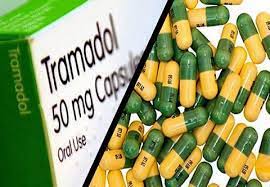
According to the directive, only Tramadol 50 milligram capsules are permitted for oral use in Sierra Leone. In addition, only Tramadol injections measured at 50 milligrams per millimetre are allowed, and these may be administered strictly within recognised health facilities under the supervision of qualified health professionals.
Minister Demby was emphatic that any Tramadol product outside these specifications is now illegal. He clarified that Tramadol above the approved dosage limits is prohibited, injectable Tramadol used outside registered health facilities is unlawful, and any falsified or unrecognised Tramadol product will be treated as illegal under the law.
He stressed that the directive is intended to strike a balance between public health protection and medical necessity. By removing highly abused forms of Tramadol from circulation, the government aims to reduce addiction, misuse, and the associated social and health challenges that have affected communities, particularly young people.
At the same time, the minister assured the public that patients who require Tramadol for legitimate medical reasons will continue to have access through regulated channels. He noted that pain management remains an essential component of healthcare and that the government does not intend to deny patients appropriate treatment.
“This approach removes the most abused product from circulation while preserving access for patients who genuinely need pain relief,” Minister Demby said. He added that strict enforcement will accompany the directive to ensure compliance at all levels, from importers and wholesalers to pharmacies and healthcare providers.
The Ministry of Health, working with the Pharmacy Board of Sierra Leone, law enforcement agencies, and other stakeholders, will intensify monitoring and inspections to ensure that banned products are not sold or used unlawfully. Offenders, the minister warned, will face sanctions in line with existing laws and regulations.
Public health advocates have welcomed the move, describing it as a necessary step in addressing drug abuse and its impact on families and communities. They called for sustained public education to inform citizens about the dangers of misuse and the legal consequences of violating the directive.
The government has urged the public to cooperate with authorities by reporting illegal Tramadol products and by adhering to medical advice when seeking pain treatment. Health officials also encouraged patients to obtain medications only from licensed facilities and professionals.
With the new directive now in force, the government says it remains committed to protecting public health, strengthening drug regulation, and ensuring that essential medicines are used safely and responsibly across Sierra Leone.