

By Forum staff writer
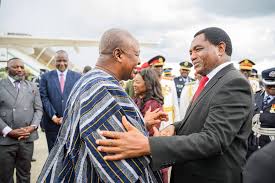
Zambia’s President has stepped into a growing cultural debate sparked by social media reactions to the attire worn by Ghana’s President during his recent visit to Lusaka. The discussion began after images circulated online showing the Ghanaian leader dressed in a traditional northern Ghana outfit known as fugu during official engagements in Zambia.


Some social media users in Zambia mocked the outfit, dismissively referring to it as a blouse and questioning its suitability for a state visit. The comments quickly gained traction online, drawing mixed reactions from users across the region and igniting a broader conversation about African identity, fashion and respect for cultural expression.
Responding to the criticism, Zambia’s President firmly defended the Ghanaian leader’s choice of clothing. Speaking in a video shared on X from the Ghana Zambia Business Forum held in Lusaka this week, the Zambian leader expressed admiration for the outfit and dismissed the negative remarks. He openly praised the design and stated that he would be ordering more of the attire for himself, a remark that drew applause and laughter from the audience present at the forum.
His response was widely welcomed by many commentators who viewed it as a strong message of unity and cultural appreciation between African nations. Supporters said the president’s remarks highlighted the importance of embracing Africa’s diverse traditions rather than ridiculing them. The video quickly spread online, shifting the tone of the debate and earning praise from cultural advocates and fashion enthusiasts alike.
Ghana’s Foreign Minister also weighed in on the discussion, describing the online buzz as a positive sign of growing cultural awareness among young people. According to him, the intense reactions showed that many Africans were becoming more interested in reclaiming and redefining their cultural roots. He noted that such conversations, even when controversial, help keep African traditions relevant in modern society.
In Ghana, traditional clothing has increasingly been promoted as part of national identity and pride. One notable initiative is Fugu Friday, a movement that encourages people to wear African attire to work and social events, particularly on Fridays. The initiative has gained popularity among professionals, students and public officials, reinforcing the idea that traditional clothing can be both modern and formal.
Cultural experts say the incident reflects a wider struggle between western influence and African self expression. They argue that African leaders wearing indigenous attire on international platforms sends a powerful message about confidence and heritage. Rather than being seen as informal or outdated, such clothing represents history, craftsmanship and identity.
As the debate continues online, many observers believe the Zambian President’s reaction has helped reframe the narrative. Instead of ridicule, the focus has shifted toward appreciation and dialogue. The incident has also strengthened cultural ties between Ghana and Zambia, showing how fashion can become a bridge for mutual respect and understanding across the continent.
The discussion serves as a reminder that African culture, in all its diversity, remains a source of pride and should be celebrated rather than mocked.