
By Albert David
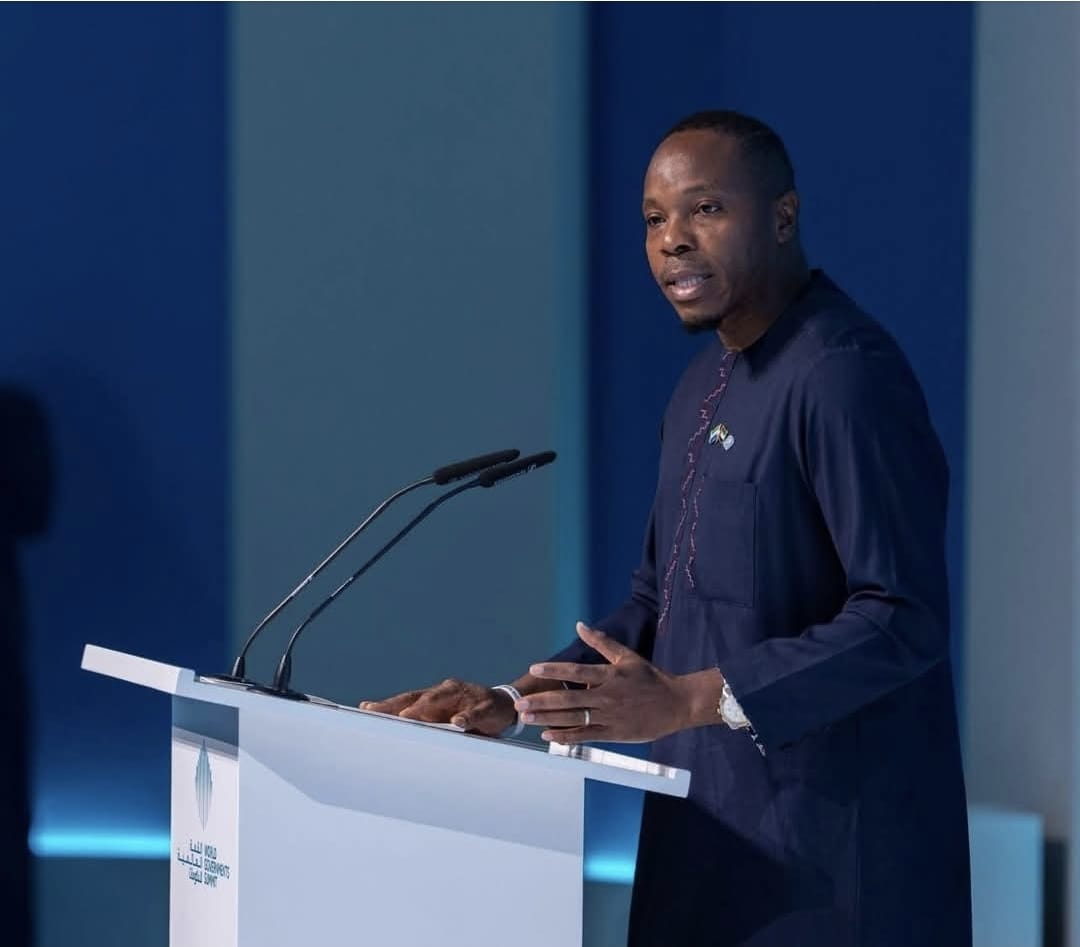
When a government chooses to speak about national progress, accuracy is not optional, it is a democratic obligation. Yet the recent claims made by Sierra Leone’s Chief Minister and Chief Innovation Officer, Moinina David Sengeh, at the AI Forum in Dubai represent a troubling departure from that responsibility. His presentation, amplified by a government‑aligned newspaper, paints a picture of a digitally transformed Sierra Leone that simply does not reflect the lived reality of citizens, businesses, researchers, or investors.


The narrative of “100% 5G coverage in Freetown,” “92% 4G nationwide,” “100% satellite internet,” and a fully connected educational ecosystem is not just optimistic, it is misleading, ethically questionable, and potentially damaging to national credibility.
Across Sierra Leone, the daily experience of internet users tells a starkly different story.
Freetown, supposedly enjoying “100% stand‑alone 5G”, continues to suffer from unstable, slow, and frequently inaccessible internet connectivity.
Hundreds of towns and villages remain completely unconnected, with no 3G, no 4G, and certainly no 5G. Data prices remain among the highest in West Africa relative to income levels. Network congestion, poor infrastructure, and frequent outages undermine even basic connectivity. Educational institutions, especially outside major cities, struggle with unreliable bandwidth that cannot support modern research or digital learning.
To present the country as digitally transformed when these structural deficiencies persist is not merely an exaggeration, it is a distortion with real consequences.
Investors rely on credible data. When official statements contradict observable reality, it signals institutional unreliability. No serious investor will commit capital to a country where government communication appears inflated or politically curated. If the government claims the digital divide is closed, then who will prioritize the hundreds of communities still living in complete digital darkness? Misrepresentation delays solutions, misallocates resources, and leaves vulnerable populations further behind.
Digital infrastructure is a backbone of modern security systems. Overstating capacity creates a false sense of readiness and exposes the country to risks both internal and external, because vulnerabilities remain unaddressed. Universities cannot compete in the global AI economy with unstable bandwidth and prohibitive data costs. Claiming full connectivity while students struggle to load a simple webpage is not only inaccurate, it is academically harmful. Citizens know their daily reality. When official narratives contradict lived experience, trust in institutions deteriorates. A government cannot build a digital future on a foundation of public skepticism.
The “WeAreDelivering” campaign has increasingly blurred the line between governance and political marketing. While governments have every right to highlight achievements, they do not have the right to manufacture them. Presenting aspirational goals as completed milestones is not innovation, it is manipulation.
A responsible digital transformation strategy requires the following. Transparent reporting, Independent verification, Realistic timelines, Honest acknowledgment of challenges and Citizen‑centered priorities.
None of these principles are served by inflated statistics or celebratory narratives detached from reality.
Leadership in the digital age demands intellectual honesty. When a Chief Minister, especially one holding the portfolio of Chief Innovation Officer, presents data internationally, the world assumes those numbers are credible. Misleading the global community does not elevate Sierra Leone, it diminishes its standing. The country deserves a digital strategy grounded in truth, not theatrics.
Sierra Leoneans are not asking for miracles. They are asking for, affordable data, reliable connectivity, transparent reporting, real infrastructure investment, and policies that reflect reality, not political branding. The government’s role is not to create a digital illusion but to build a digital nation. If Sierra Leone is to attract investment, strengthen education, modernize governance, and empower its citizens, then its leaders must communicate with integrity. Anything less is not just disappointing, it is harmful to national development.