

By Alhaji MB Jalloh, New York
Saleh Zahrani is a Saudi national and a longstanding friend of Sierra Leone, a country he often describes as his second home.


His engagement with West African pilgrims – particularly those from Sierra Leone-grew out of his professional background in Saudi Arabia’s travel and hospitality industry..
What began as routine sectoral involvement gradually developed into a focused commitment to supporting Hajj and Umrah pilgrims as they navigate the complex logistics of the sacred journey.
In the early stages of his work, Zahrani concentrated on coordinating accommodation, catering and ensuring compliance with Saudi Arabia’s pilgrimage regulations. For many pilgrims from Sierra Leone and neighboring countries, the process can be daunting due to distance, language barriers, and unfamiliar administrative systems. His interventions helped streamline these arrangements, reducing uncertainty and creating a more structured and manageable experience.
As his experience deepened, so did his regional reach. Through established partnerships and an expanding service network within the Kingdom, he became a dependable coordination point for organized pilgrimage groups. His understanding of Saudi operational systems, combined with sensitivity to West African cultural expectations, enabled him to bridge logistical and cultural gaps while maintaining high professional standards.
Over time, his work brought him into closer engagement with government authorities in Sierra Leone. Now a frequent visitor to the country, Zahrani is currently in Freetown for a series of high-level discussions.
Speaking by telephone last night from the Radisson Blu Hotel in the west end of Freetown, he said his visit is focused on strengthening pilgrimage coordination and enhancing service delivery for Sierra Leonean pilgrims.
Among the high-profile officials he met was Dr. Mohamed Juldeh Jalloh, Vice President of the Republic of Sierra Leone and Head of the Presidential Hajj Task Force. According to Zahrani, their discussions centered on deepening institutional cooperation, improving logistical coordination, and reinforcing welfare arrangements for pilgrims traveling to the Kingdom of Saudi Arabia.
He also held meetings with other senior government and institutional officials responsible for pilgrimage oversight. These engagements, he noted, reflect a shared commitment to raising operational standards, promoting accountability, and ensuring a seamless pilgrimage experience.
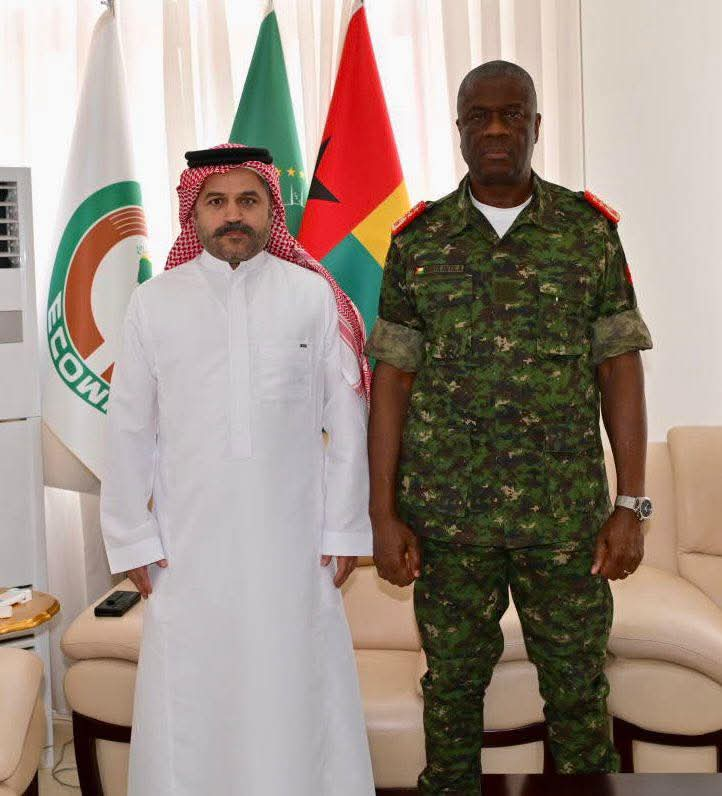
Beyond Sierra Leone, Zahrani has expanded his outreach across West Africa. He confirmed holding consultations with Guinea-Bissau’s Transitional President, General Horta Inta-A Na Man, where discussions focused on pilgrimage facilitation and improved coordination between West African authorities and Saudi-based service providers. He also indicated that he has engaged with Hajj officials in The Gambia, Guinea, and Nigeria as part of broader regional outreach efforts.
Zahrani described his meetings as constructive and forward-looking, underscoring the professional trust developed over years of service. He maintains that his role remains service-oriented.
Nevertheless, the level of engagement reflects growing recognition of structured pilgrimage management as both a logistical necessity and a welfare priority for governments across the region.
Today, Zahrani is regarded within sections of the West African Muslim community as a key facilitator of organized and dignified pilgrimage services. By combining operational expertise within Saudi Arabia’s hospitality sector with a nuanced understanding of African cultural contexts, he has helped strengthen coordination mechanisms and support systems for pilgrims undertaking Hajj and Umrah.
Some members of the Sierra Leonean community suggest that his experience could position him for a formal role, such as Honorary Consul for Sierra Leone, in the future. While no such appointment has been announced, such views reflect the respect he has earned through sustained engagement.
At its core, Zahrani’s work illustrates how consistent service, practical problem-solving, and mutual respect can extend beyond commerce. Through pilgrimage facilitation, he has contributed to reinforcing ties between Saudi Arabia and West Africa-demonstrating how faith-based service can evolve into a quiet yet meaningful bridge between nations.