
By Albert David
The events surrounding the arrest, detention, prosecution, and continued remand of the All People’s Congress (APC) National Secretary General, Lansana Dumbuya, represent far more than a dispute between a political party and the state. They strike at the heart of Sierra Leone’s constitutional order, the integrity of its justice system, and the credibility of its democratic commitments.
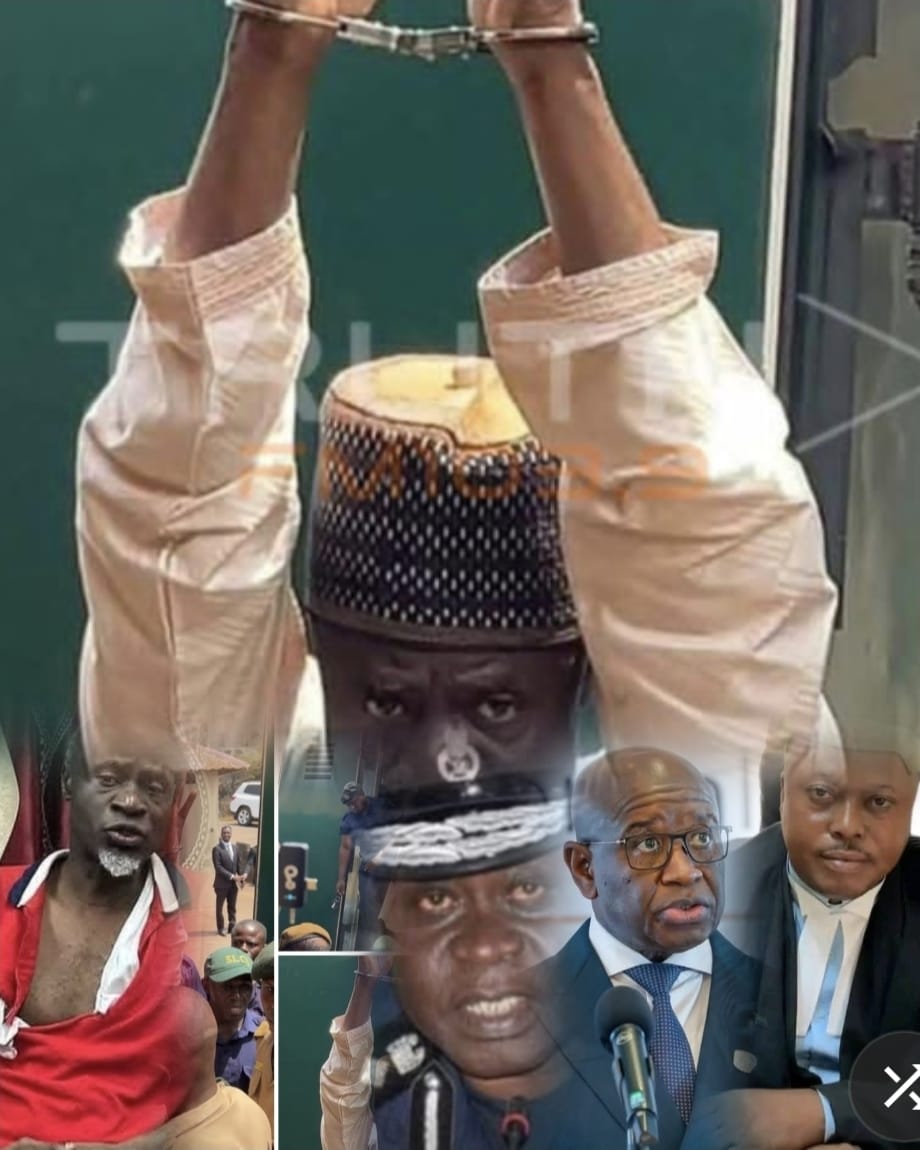
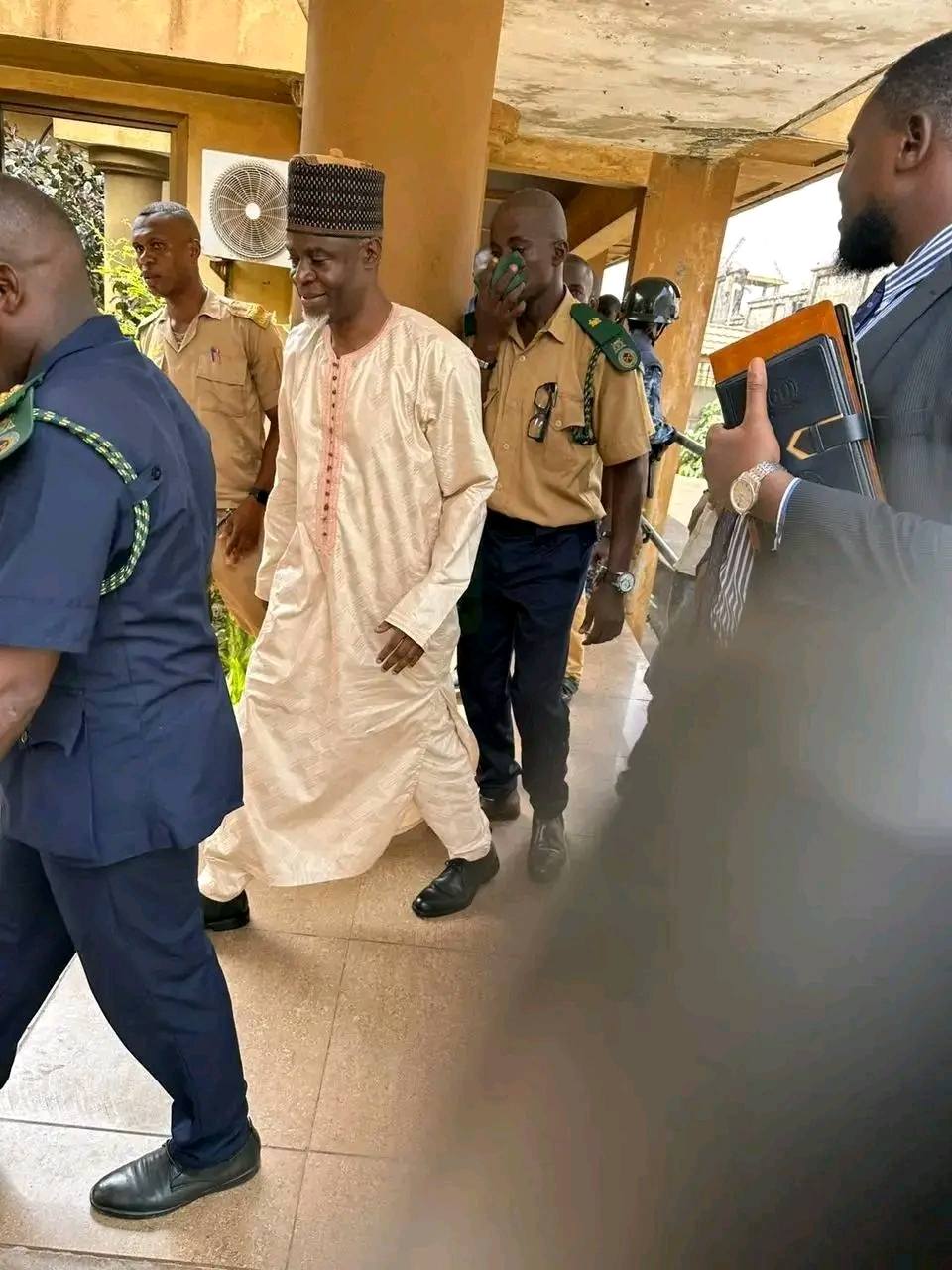
When a senior political figure is taken to the Criminal Investigations Department, detained overnight, fined exorbitant sums, charged to court, denied bail, and remanded to Pademba Road Prison, all for statements made at a political gathering, this raises profound constitutional concerns. It becomes even more troubling when those statements relate to issues already raised by domestic and international observers, including NEW, the Carter Center, the European Union, and other monitoring bodies following the 2023 presidential elections.
The spectacle in court on Monday, 16 February 2026, where Magistrate Brima Jah Stevens abandoned proceedings due to the overwhelming presence of lawyers defending the accused, only deepens the sense of institutional dysfunction. The Secretary General was returned to prison without trial, without hearing, and without the due process that the Constitution of Sierra Leone guarantees to every citizen, regardless of political affiliation.This is not merely a legal misstep. It is a democratic crisis.


Sierra Leone’s 1991 Constitution is explicit: Freedom of expression is protected, due process is guaranteed, the judiciary must remain independent, and no citizen should be punished for political speech unless it directly incites violence or criminality. Political criticism, even harsh criticism, is not a crime in a democracy. It is a constitutional right. When the state criminalizes dissent, it signals a retreat from democratic governance toward authoritarian reflexes.
Selective prosecution is not just unethical, it is destabilizing. When citizens perceive that the law is applied unevenly, harsh on opposition voices, lenient on those aligned with power, public trust collapses. And once trust collapses, institutions lose legitimacy.
A judiciary perceived as compromised becomes a tool of coercion rather than a guardian of justice. A police force perceived as partisan becomes an instrument of intimidation rather than protection. A government perceived as intolerant of criticism becomes a threat to its own citizens. This trajectory is dangerous. It undermines coexistence, fuels resentment, and fractures national unity.
 A confident government does not fear criticism. A democratic government does not silence dissent. A legitimate government does not weaponize state institutions to punish political opponents. The use of excessive fines, arbitrary detention, denial of bail, and procedural manipulation, and judicial inconsistency is not the behavior of a government committed to democratic best practices. It is the behavior of a government that sees dissent as a threat rather than a democratic necessity.
When election observers raise concerns about transparency, credibility, or procedural irregularities, the responsible response is engagement, not repression. Silencing those who echo these concerns does not erase the concerns, it amplifies them. Governments that respect the rule of law strengthen their international standing. Governments that suppress dissent invite scrutiny, isolation, and reputational damage.
Citizens are losing faith in the system, not because of political rhetoric, but because of lived experience. When the courts appear compromised, when the police appear politicized, when state institutions appear co-opted, the social contract begins to unravel. A nation cannot build peace on intimidation. It cannot build unity on fear, and it cannot build legitimacy on selective justice.
The government must urgently recalibrate its approach. This is not about the APC, the SLPP, or any individual political figure. It is about the soul of Sierra Leone’s democracy. To restore confidence, the government must respect due process and judicial independence, ensure that political speech is not criminalized, and guarantee fair, transparent, and timely trials, stop using state institutions as instruments of political pressure, and uphold constitutional safeguards without exception. Democracy is not sustained by slogans or ceremonies. It is sustained by discipline, legal discipline, institutional discipline, and moral discipline.
The treatment of Secretary General Lansana Dumbuya is not an isolated incident, it is a warning sign. A democracy that punishes dissent is a democracy in decline. A state that manipulates justice is a state drifting toward authoritarianism. A government that suppresses criticism is a government weakening its own legitimacy. Sierra Leone has endured too much history to repeat old mistakes. The path forward must be grounded in constitutionalism, fairness, and respect for the rule of law. Anything less is a betrayal of the nation’s democratic promise.