
By Albert David
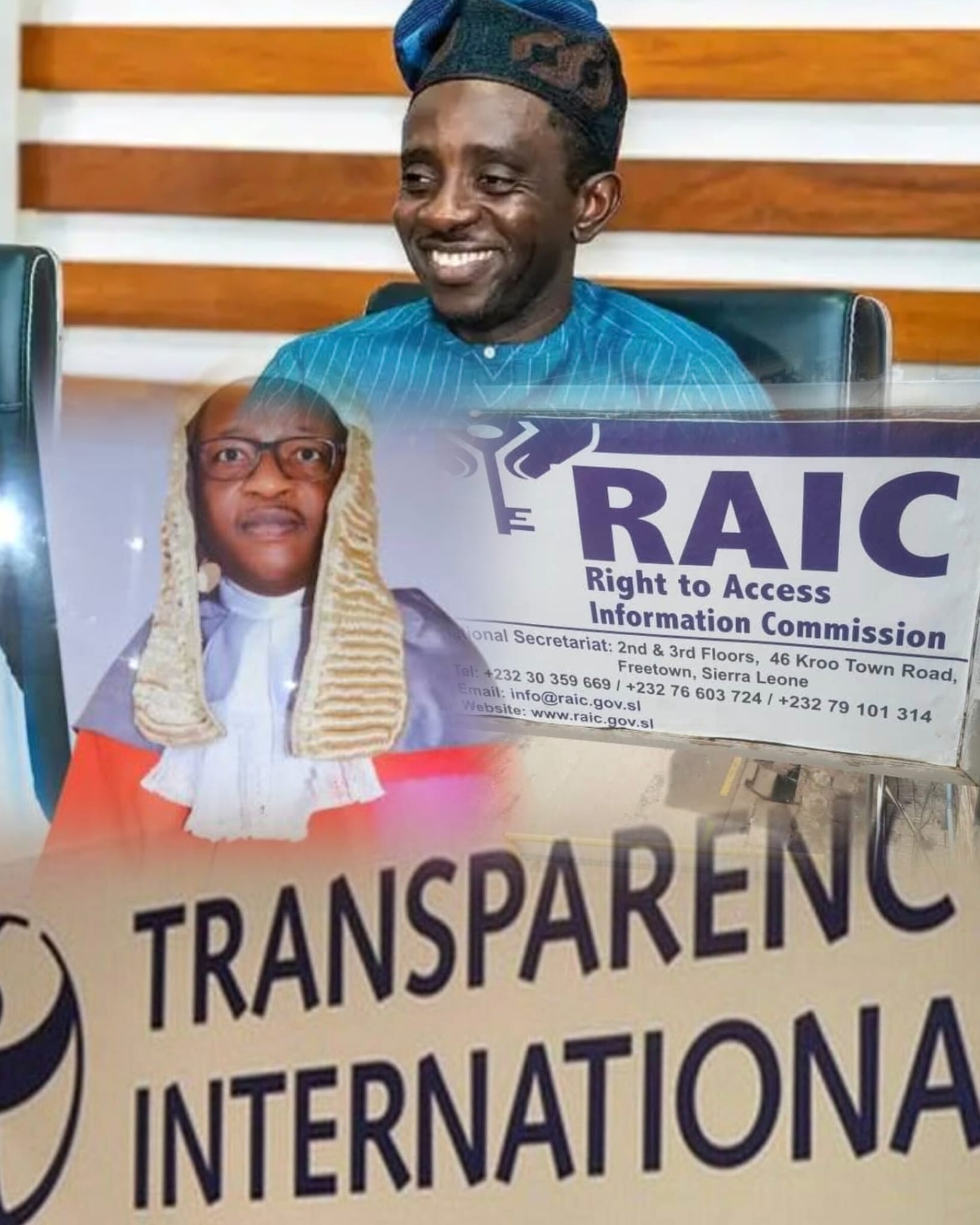
In every functioning democracy, access to public information is not a luxury. It is not a favour granted by those in power. It is a legal right, a civic necessity, and the lifeblood of accountability. When citizens cannot access the information that governs their lives, democracy becomes a performance, a hollow ritual where the people participate without truly knowing what they are participating in. Yet in Sierra Leone, the struggle for public information remains a disturbing, persistent, and deeply worrying reality. It is a struggle that exposes the cracks in our governance systems, the fragility of our democratic institutions, and the uncomfortable truth that transparency is still treated as a threat rather than a duty.


Sierra Leone has laws that promise transparency. Policies that speak of openness. Institutions that claim to serve the public interest. But the lived experience of ordinary citizens tells a different story.
People still cannot easily access budget breakdowns, procurement details, audit reports, and parliamentary voting records, public contracts, environmental impact assessments, and local council financial statements. These are not classified secrets. They are public documents, funded by the public, affecting the public, and legally belonging to the public. When such information is hidden, delayed, manipulated, or selectively released, it becomes more than an administrative failure. It becomes a democratic injury.
The most devastating part of this problem is not the absence of laws, it is the presence of a culture. A culture where secrecy is normalised. Where public officials behave as if information is personal property. Where institutions operate behind curtains instead of windows. This culture is unethical, because it violates public trust, oppressive, because it denies citizens the tools to hold power accountable, and manipulative, because it allows narratives to be shaped without scrutiny, undemocratic, because it weakens participation and silences dissent, and legally dismissive, because it undermines the very laws meant to guarantee transparency. A government that hides information is not protecting the state, it is protecting itself from the people it claims to serve.
When information is hidden, corruption thrives. When information is delayed, accountability collapses. When information is distorted, public trust evaporates, and when information is inaccessible, development becomes guesswork. Citizens cannot meaningfully participate in governance when they are kept in the dark. Civil society cannot advocate effectively when data is withheld. Journalists cannot investigate when documents mysteriously “go missing.” Investors cannot trust a system where financial transparency is optional. The result is a nation trapped in a cycle of suspicion, misinformation, poor planning, weak institutions, and public frustration. This is not accidental. It is structural.
True leadership does not fear scrutiny.
True governance does not hide behind bureaucracy. True democracy does not operate in shadows. Transparency is not a threat to authority, it is the source of authority. A government that is open earns trust. A government that is accountable earns legitimacy, and a government that respects the public’s right to know earns the moral right to lead. When leaders embrace transparency, they strengthen the nation.
When they resist it, they weaken the very institutions they depend on.
Sierra Leone does not need more slogans about openness. It needs systems that work, institutions that obey the law, and citizens who refuse to accept secrecy as normal. The path forward requires full enforcement of access‑to‑information laws, digitisation of public records, and mandatory publication of budgets, contracts, and audits, stronger parliamentary transparency, independent oversight bodies with real power, and a public that demands accountability without fear. Democracy is not defended by silence. It is defended by informed citizens who insist on their rights.
It is ethically shameful and democratically dangerous for any society to keep its citizens uninformed about decisions made in their name. Sierra Leoneans deserve a governance system that respects them enough to tell them the truth, not selectively, not reluctantly, not under pressure, but as a matter of principle.
The struggle for public information is not just a policy issue. It is a national integrity issue. A democratic survival issue, and a future‑of‑the‑nation issue. A country cannot develop in darkness. A people cannot progress without knowledge, and a democracy cannot breathe without transparency.