

By Forum staff writer
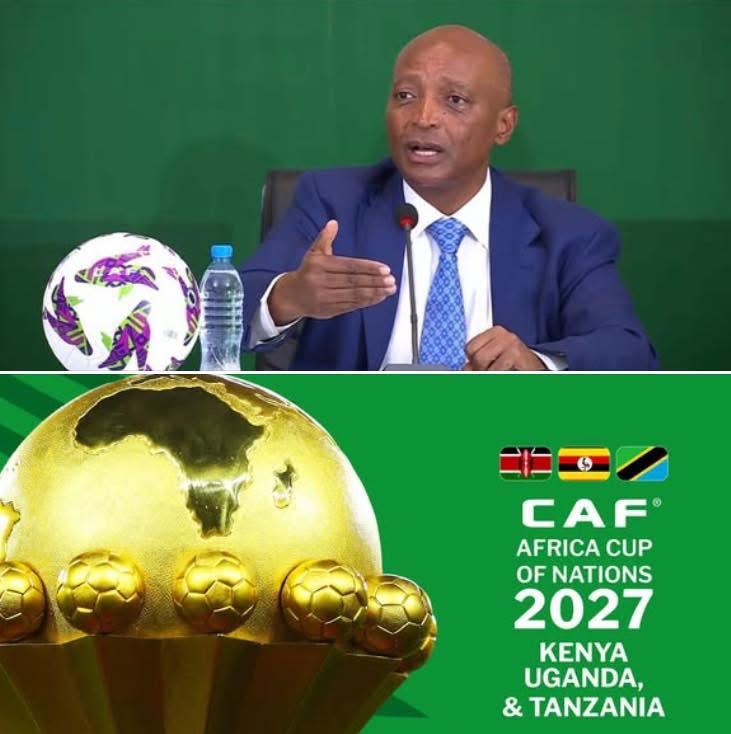
President of the Confederation of African Football, Patrice Motsepe, has put to rest speculation surrounding the timing of the next Africa Cup of Nations, confirming that the tournament will be played in 2027 and not postponed to 2028 as widely rumoured.


Motsepe announced that the Africa Cup of Nations will take place from 19 June to 18 July 2027, with matches hosted jointly by Kenya, Tanzania, and Uganda. His confirmation reassured football stakeholders across the continent who had expressed concern over conflicting reports about the tournament’s schedule.
The CAF president stressed that preparations for the competition are progressing as planned and that the three host nations remain fully committed to delivering a successful event. He said CAF has confidence in the readiness plans presented by the host countries and continues to work closely with them to ensure that infrastructure, logistics, and organisational standards meet international requirements.
The 2027 edition of AFCON will be historic, as it will be the first time the tournament is hosted by three countries jointly. The decision to stage the competition across East Africa reflects CAF’s broader vision of regional cooperation and inclusive development of football infrastructure across the continent.
Motsepe also highlighted the symbolic importance of the tournament, noting that the 2027 AFCON will form part of celebrations marking 70 years since the establishment of the Africa Cup of Nations. He described the milestone as an opportunity to reflect on the growth of African football while showcasing its future potential on and off the pitch.
Addressing concerns about infrastructure and timelines, Motsepe said CAF remains satisfied with the progress reports submitted so far. He added that periodic inspections and technical support will continue to ensure that stadiums, training facilities, transport systems, and accommodation are ready well ahead of kickoff.
Football analysts say the confirmation brings much needed clarity for national teams, sponsors, broadcasters, and fans, all of whom rely on certainty in planning. National football associations are now expected to align their qualification campaigns and domestic calendars accordingly.
The East African host nations have welcomed CAF’s renewed endorsement, describing the tournament as an opportunity to boost tourism, regional integration, and youth engagement through sport. Governments in the three countries have repeatedly stated that AFCON 2027 will leave a lasting legacy beyond football.
With the speculation now settled, attention shifts back to the pitch as Africa’s top teams prepare for qualification and a tournament that promises both historical significance and a new chapter in African football.