
By Albert David
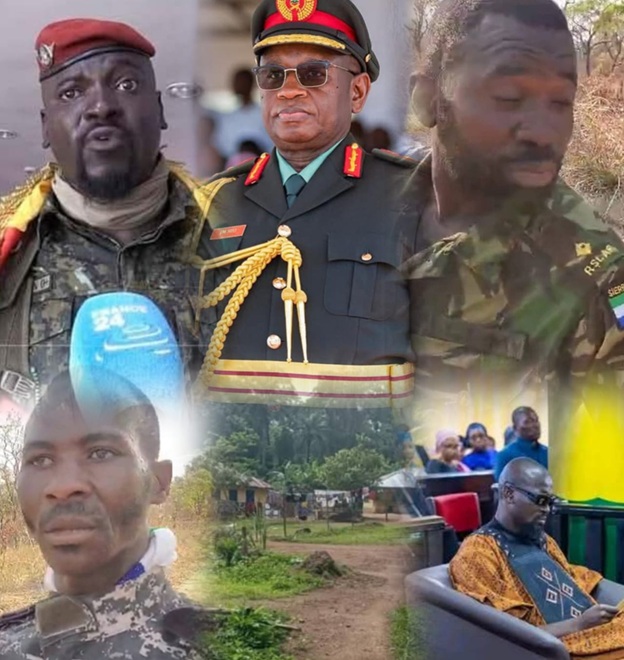
What is happening from Yenga to Falaba is not just a border incident. It is a national security emergency, a humanitarian failure, and a constitutional betrayal unfolding in real time. When foreign military forces storm villages, beat and arrest Sierra Leonean military and police personnel, including a captain and other ranks, the message is unmistakable. The territorial integrity of Sierra Leone has been breached, and the state has failed to deter, prevent, or respond with the seriousness such an act demands.


The circulating video of a bleeding second lieutenant, stabbed in the face and ear, is not merely disturbing. It is symbolic. It is the image of a nation’s vulnerability made flesh. This is not the first time. Before this latest incursion, Guinean forces displaced hundreds, if not thousands, of Sierra Leonean citizens. Farmers, families, elders, children. Entire communities uprooted, abandoned, and left to navigate survival without the protection their own constitution guarantees them.
Yet the pattern continues, while the security sector has demonstrated remarkable vigilance in suppressing dissent, it has shown alarming weakness in safeguarding the nation’s borders. The contrast is painful. The state appears more prepared to confront its own citizens than to defend them. This is not just a security lapse. It is a civic and constitutional crisis.
A government’s first duty, its most sacred obligation, is the protection of its people and its territory. When that duty is neglected, ignored, or selectively applied, the social contract fractures. Citizens begin to question whether the institutions sworn to defend them are still acting in their interest, or whether they have drifted into a posture of self-preservation at the expense of national sovereignty. The people of Yenga, Falaba, and the surrounding communities are not collateral. They are citizens. They are Sierra Leoneans. Their rights are not optional. Their safety is not negotiable. Their land is not a bargaining chip.
What is unfolding is not just unsafe, it is destabilizing. It exposes the country to further incursions, emboldens external actors, and erodes public trust in the very institutions meant to uphold the constitution. This moment demands more than silence, more than diplomatic ambiguity, more than internal memos and quiet reassurances. It demands transparency, accountability, and decisive action rooted in law, sovereignty, and the protection of citizens.
Sierra Leone cannot afford to be a nation where borders are porous, where citizens are displaced without consequence, and where security forces bleed on camera while the state hesitates. The country deserves leadership that confronts threats, not merely manages optics. It deserves a security sector that defends the republic, not just polices its frustrations. It deserves a government that honors its constitutional oath, not selectively, not symbolically, but fully. Because when a nation fails to protect its people and its land, it risks losing both.