
By Hassan Osman Kargbo
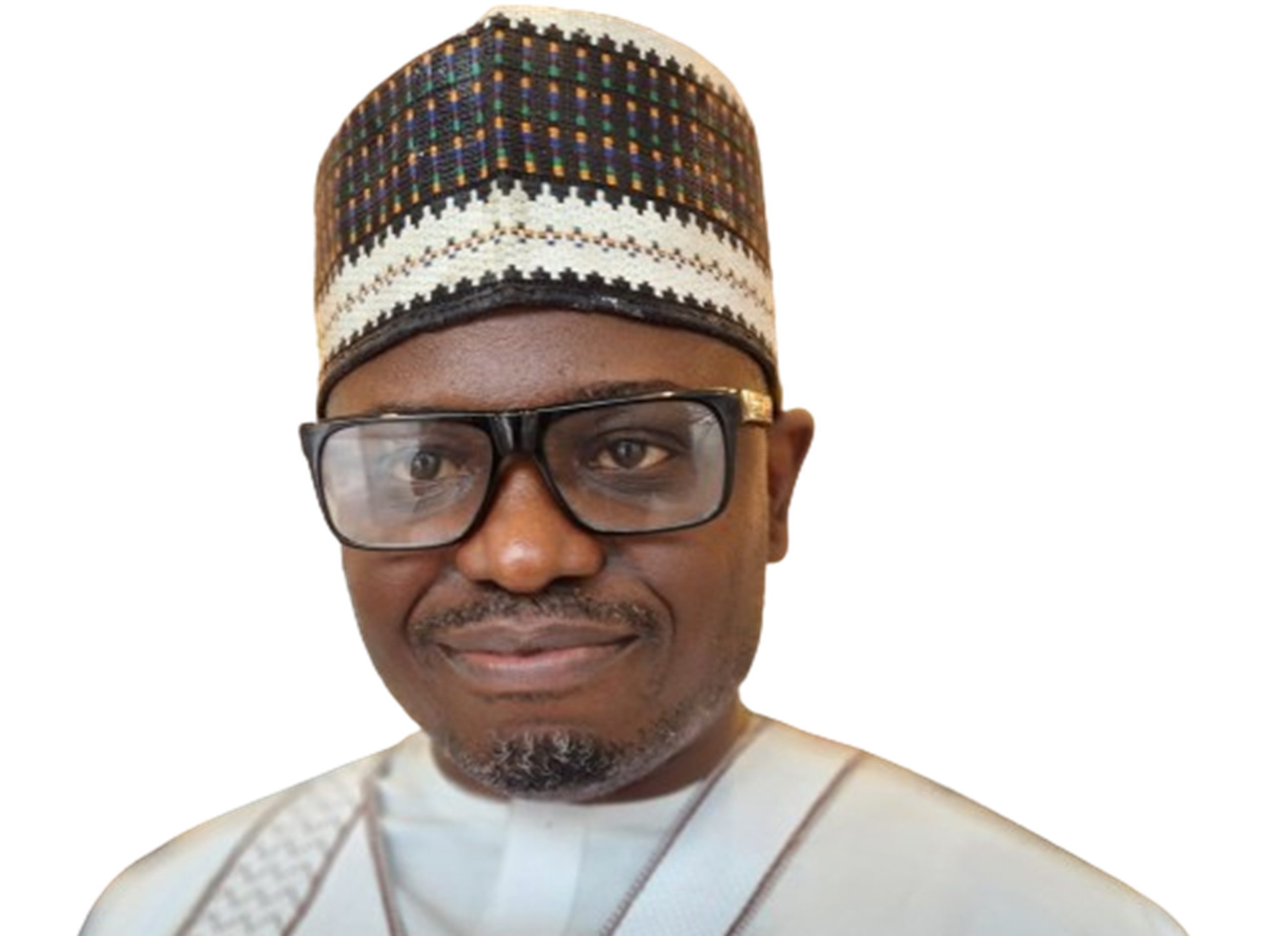
Sierra Leone is facing political tension after the opposition All People’s Congress announced it is withdrawing from all political activities in the country. The party’s elected officials have stepped away from Parliament, local councils, and other governance structures in protest against the appointment of Mr Edmond Sylvester Alpha as head of the Electoral Commission for Sierra Leone.


The APC says Mr Alpha’s appointment undermines public trust in the electoral system. They argue that individuals involved in the disputed 2023 elections should not hold key positions in the Electoral Commission, warning that this could compromise the credibility of future polls.
With the main opposition absent from governance, Parliament and local councils are now functioning without full representation. Political analysts warn that this could reduce democratic debate and weaken accountability in decision making.
The ruling Sierra Leone People’s Party insists that the appointment was legal and constitutionally valid. Government officials have urged the APC to return, saying any disagreements should be resolved through dialogue rather than boycotts.
The APC, however, insists dialogue is not enough. Party leaders say their withdrawal is a principled move meant to highlight a breakdown of trust between political actors and the Electoral Commission. They emphasize that their absence is intended to defend democratic integrity and push for meaningful reforms.
Civil society and political observers have expressed concern about the standoff. Many worry that a prolonged boycott could increase political division and reduce public confidence in governance. Some say the crisis could be an opportunity for electoral reforms if handled transparently and inclusively.
International partners and regional organizations are calling for calm and constructive engagement. They stress the importance of political stability in Sierra Leone and encourage both sides to prioritize national interest while finding solutions that restore confidence in the electoral process.
The dispute highlights a larger issue of trust between political parties and institutions. For the opposition, it reflects concerns over governance and accountability. For the government, maintaining constitutional order and continuity in state institutions remains a priority.
Ordinary citizens are closely following the developments, worried about the impact of the political deadlock on public services, development, and national unity. Many are calling for compromise to prevent further tension and ensure stability.
The coming weeks will be critical for Sierra Leone’s political future. Whether through dialogue, mediation, or reforms, resolving this crisis will be key to restoring trust in democratic institutions and ensuring the country’s political system remains strong and inclusive.