

By Forum staff writer
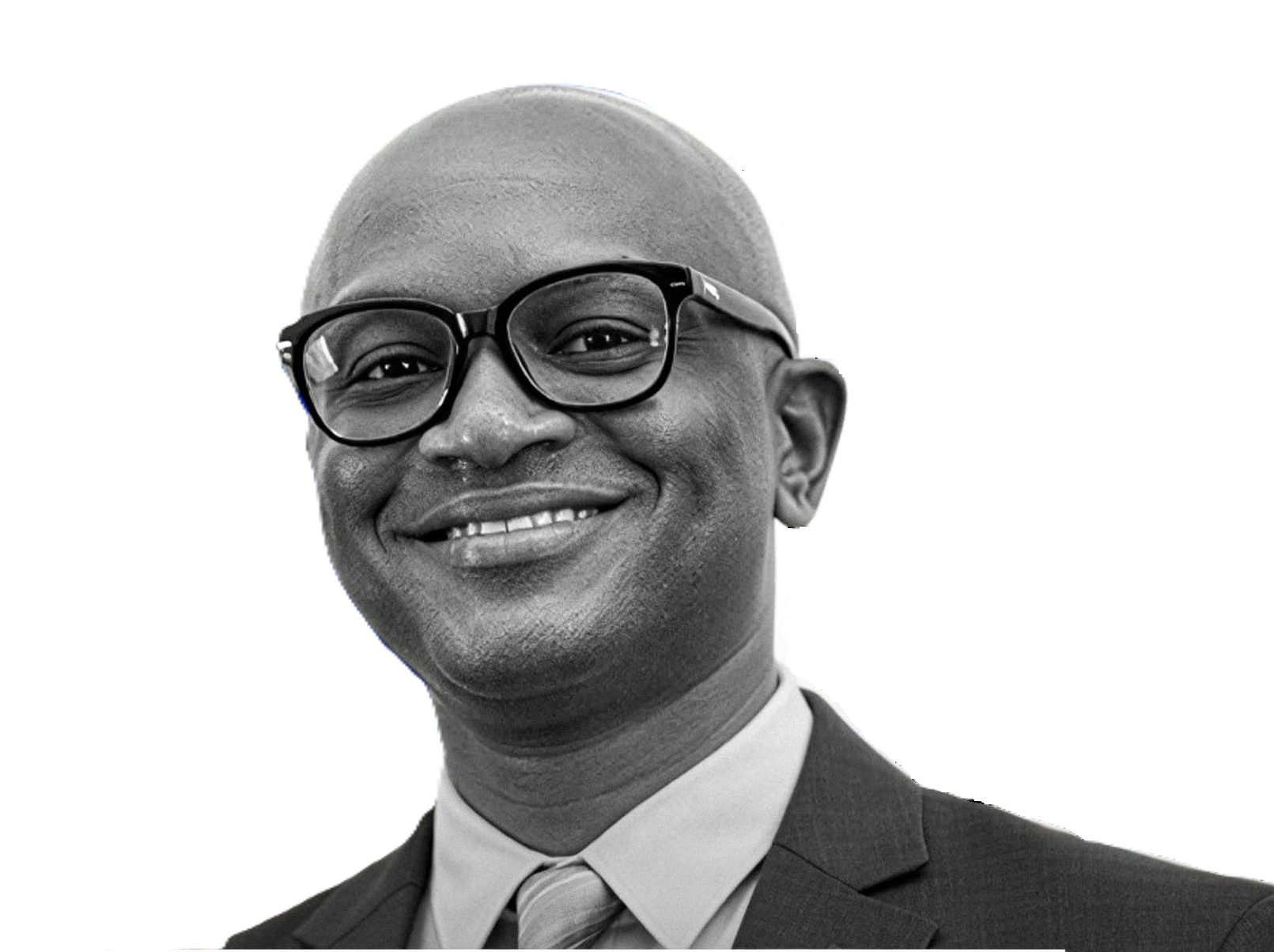
Renowned Sierra Leonean journalist Umaru Fofana has addressed growing public concerns over what some have described as his “silence,” clarifying that his reduced visibility is as a of structural changes within international media rather than personal choice.


In a detailed public statement, Fofana explained that major restructuring within global media organizations, including the British Broadcasting Corporation (BBC), has significantly affected coverage of African stories. He noted that these changes have led to reduced airtime, fewer commissioned reports, and the closure of some language services that once amplified African voices.
According to him, the transformation has altered how stories are selected and produced. As a freelance journalist, he now operates in a system where every story must be pitched to editors for approval. Only a limited number of these pitches are accepted, as global newsrooms prioritize stories with broader international appeal and available resources.
Fofana revealed that despite pitching nearly a dozen stories this year, only three were commissioned. He explained that Sierra Leonean stories must now compete with major global developments such as conflicts in the Middle East, political developments in the United States, and crises in other parts of Africa. This competition, he said, has made it increasingly difficult for local stories to secure international coverage.
Reflecting on his career, Fofana highlighted his long standing contribution to journalism, noting that for three decades he has maintained a reputation for professionalism, balance, and independence. He emphasized that his work has consistently been guided by integrity, without resorting to personal attacks or partisan alignment.
He also addressed misconceptions about his role, stressing that he is no longer a staff reporter but a freelancer. This means he is paid per story, without the financial security of a fixed salary or funded assignments unless a story is approved. He noted that covering stories independently without commissioning would require personal financial investment, which is not sustainable.
Fofana furthered that his increased involvement in moderating conferences and public events is part of efforts to maintain financial stability in a challenging media environment. He dismissed suggestions that he would deliberately remain silent; pointing out that journalism remains his primary source of livelihood.
The veteran journalist also cautioned against the spread of misinformation, urging the public to seek understanding before drawing conclusions. He expressed concern that false narratives about his work could damage both his reputation and personal safety.
While acknowledging the trust many Sierra Leoneans place in his reporting, Fofana appealed for patience and support as he navigates the evolving media landscape. He reiterated his commitment to independent journalism and his determination to continue reporting within the constraints of the current system.
He concluded by affirming that his professional principles remain unchanged, emphasizing his dedication to truth, accountability, and responsible storytelling despite the challenges facing the industry.