

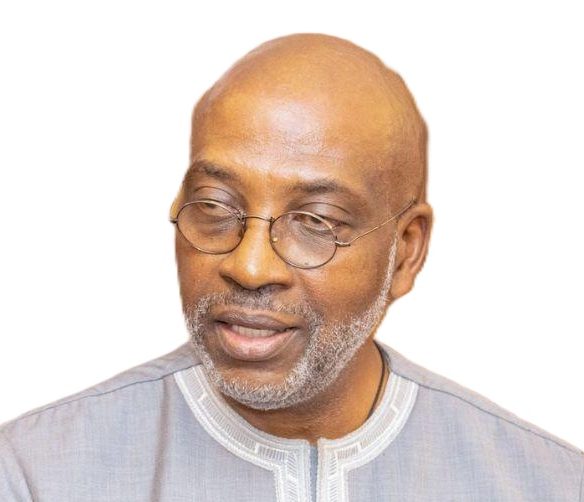
By Hassan Osman Kargbo
Frustration is growing across Sierra Leone as citizens continue to endure prolonged electricity outages, especially in provincial towns where supply remains inconsistent and unreliable. While the government insists there is no deliberate diversion of electricity from one region to another, many residents say their daily reality tells a different story.


At a recent press conference organized by the Ministry of Information and Civic Education, Deputy Minister of Energy I, Edmond Nonie, firmly dismissed claims that power was being redirected from Makeni to Freetown. He described the allegation as illogical, noting that Freetown requires about 100 megawatts of electricity while Makeni generates only 6 megawatts. Based on this disparity, he argued, it would be impossible to divert meaningful supply from Makeni to the capital.
On paper, the explanation may appear sound. In practice, however, it has done little to calm public anger. For many Sierra Leoneans living outside Freetown, the issue is not simply about figures but about lived experience. Communities in Makeni, Magburaka and other provincial areas have faced repeated blackouts that disrupt businesses, education and basic household life.
Traders complain of losses as perishable goods spoil. Students struggle to study at night. Small businesses that rely on electricity are forced to shut down or spend heavily on fuel for generators. In many homes, darkness has become the norm rather than the exception. Against this backdrop, official statements that dismiss concerns without addressing these hardships risk appearing disconnected from reality.
Nonie also confirmed that maintenance work affecting Makeni and Magburaka had been completed and that electricity was expected to be restored at the time of the briefing. While such assurances are welcome, they have become all too familiar. Residents say they have heard similar promises before, only for power to remain unstable or disappear again after a short period.
The broader concern is the persistent imbalance in electricity distribution and development. Freetown, despite its own challenges, still enjoys relatively better access compared to many provincial towns. This has fueled a perception that national resources are unevenly allocated, leaving rural communities at a disadvantage.
What citizens are demanding is not just clarification but consistency and transparency. They want to see a clear plan that addresses the root causes of the country’s energy shortfall, including generation capacity, infrastructure gaps and maintenance challenges. More importantly, they want equal attention given to all regions, not just the capital.
Sierra Leone’s energy crisis is no longer just a technical issue. It has become a social and economic concern that affects livelihoods and deepens inequality. Until tangible improvements are felt across the country, official denials and explanations may continue to ring hollow.
For many in the provinces, the question is not whether electricity is being diverted, but why it remains so scarce in the first place.