

By Hassan Osman Kargbo
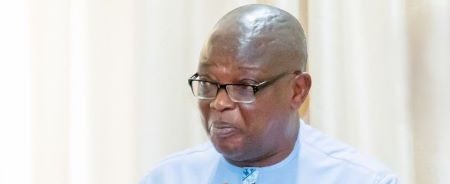
The future of Sierra Leone’s electoral process has come under renewed scrutiny as debate grows over the continued leadership of Edmond Sylvester Alpha as Chairman of the Electoral Commission for Sierra Leone.


Mr Alpha is expected to remain in office in accordance with the law, overseeing ongoing institutional reforms and maintaining engagement with key stakeholders, including political parties, as the country prepares for the 2028 general elections. His supporters argue that continuity in leadership is essential to sustain reforms already underway and to strengthen the credibility of the electoral process.
However, opposition voices, particularly from the All People’s Congress, have continued to call for his removal, citing concerns over public confidence and the need for broader trust in the electoral system. The issue has increasingly become a focal point in national political discourse, raising questions about how best to ensure transparency, accountability, and inclusiveness in future elections.
Critics argue that retaining Mr Alpha could deepen political divisions at a time when consensus is needed to stabilize the country’s democratic processes. They point to widespread public concerns and ongoing debates about the management of previous elections, insisting that a leadership change would signal a fresh start and help rebuild trust among stakeholders.
On the other hand, government officials and some civil society actors maintain that any decision regarding the position of the Chief Electoral Commissioner must be guided strictly by legal provisions, rather than political pressure. They emphasize that institutional stability is critical, particularly as Sierra Leone moves to implement key electoral reforms recommended under the Agreement for National Unity.
Political analysts note that the controversy reflects a broader challenge facing the country’s democracy: balancing legal continuity with public perception and political confidence. While the law provides for the tenure and functions of the electoral commission’s leadership, the effectiveness of the institution ultimately depends on the trust it commands across the political spectrum.
The debate also comes at a time when efforts are underway to reform the electoral system, improve voter registration processes, and strengthen results management mechanisms. These reforms are seen as essential steps toward delivering elections that are widely accepted as free, fair, and credible.
Observers warn that prolonged disagreement over leadership at the electoral commission could distract from these critical reforms and potentially slow progress. They stress the importance of dialogue among political actors to address concerns while keeping the focus on strengthening democratic institutions.
Public opinion remains divided. While some citizens support calls for change, others believe that maintaining the current leadership, coupled with stronger oversight and transparency measures, could provide a more stable path toward credible elections.
As Sierra Leone looks ahead to 2028, the question of leadership at the Electoral Commission is likely to remain a key issue shaping political engagement. Stakeholders across the board are being urged to prioritize national interest, uphold the rule of law, and work collectively to build confidence in the electoral process.
Ultimately, the path chosen will play a significant role in determining not only the credibility of the next general elections but also the strength and resilience of the country’s democratic governance.