

By Forum staff writer
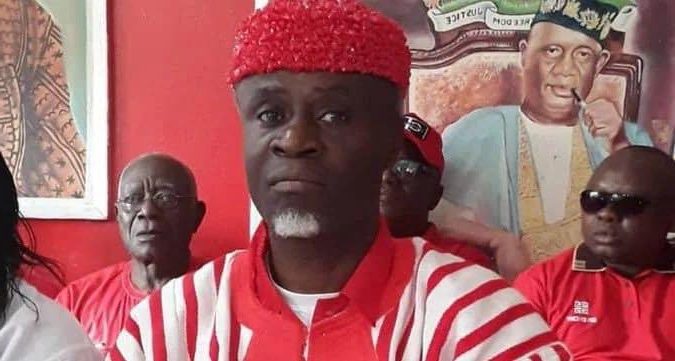
The main opposition All People’s Congress Party APC, has warned it may stage a peaceful nationwide protest if Edmond Sylvester Alpha continues in his role as Chief Electoral Commissioner and Chairman of the Electoral Commission of Sierra Leone.


The warning was issued during a press conference held at the party’s headquarters in Freetown on March 18, 2026. In a statement delivered by the party’s Secretary General, the APC expressed strong dissatisfaction with the recent appointment, describing it as a move that could undermine public confidence in the country’s electoral system.
The party declared that it would not lend legitimacy to what it called a broken system, while also indicating its readiness to engage in dialogue if the process is conducted in good faith. The statement emphasized the APC’s position as a representative of the people, noting that it remains committed to defending democratic principles and ensuring transparency in governance.
Edmond Sylvester Alpha was appointed on February 20, 2026, in a public notice released by the Office of the President. President Julius Maada Bio named him to the position in accordance with Section 32 subsection 3 of the 1991 Constitution, which outlines the procedure for appointing the Chief Electoral Commissioner.
However, the appointment has generated strong reactions from the opposition, with the APC maintaining that the leadership change raises serious concerns about the independence and credibility of the Electoral Commission. The party argues that trust in electoral institutions is critical, especially as the country moves toward future electoral processes.
Political observers say the situation reflects growing tension within the political landscape and could have wider implications for national stability if not carefully managed. The threat of a nationwide protest signals a significant escalation in the dispute and highlights the urgency of addressing concerns raised by key stakeholders.
Despite its firm stance, the APC has left the door open for constructive engagement, suggesting that dialogue could help resolve the impasse. Analysts believe that meaningful discussions between the government, the opposition, and other stakeholders will be essential in easing tensions and reinforcing public confidence in democratic institutions.
There are also calls from civil society groups and political commentators for restraint and responsibility from all sides. Many stress the importance of maintaining peace and stability while addressing grievances through lawful and inclusive means.
As the situation unfolds, attention remains focused on how both the government and the opposition will navigate the issue. The coming days are expected to be critical in determining whether dialogue can prevail or whether the country will witness a nationwide protest.
The development underscores the delicate balance required to sustain democratic governance and the need for transparency, accountability, and trust in Sierra Leone’s electoral process.