
By Hassan Osman Kargbo
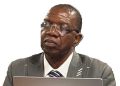
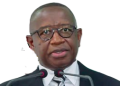
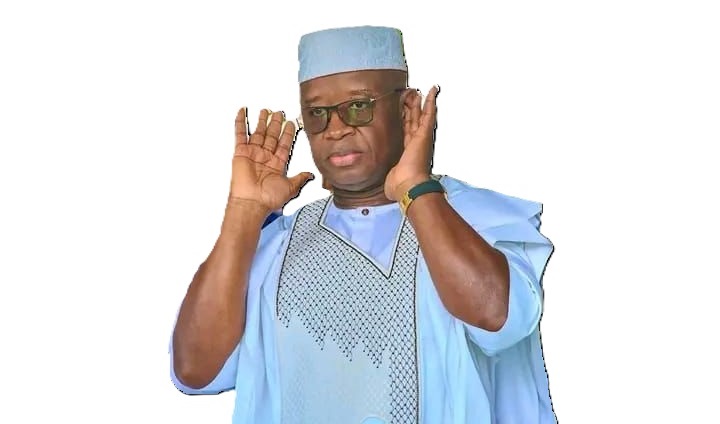
Deputy Minister of Information and Civic Education, Mr Bockarie Abel Aziz Bawoh, has stated that President Julius Maada Bio does not view the All Peoples Congress as an active opposition party, emphasizing that the president remains focused on delivering on his mandate to the people of Sierra Leone.


Speaking during an appearance on the Epic Morning Show, Mr Bawoh said the president is preoccupied with national development priorities and has little time for what he described as distractions from the opposition. According to him, President Bio’s main concern is addressing the needs of citizens and advancing key government programs.
“The president is busy doing the work of the people. He needs no distraction,” Bawoh said during the interview. He added that in the current political climate, the ruling government is more committed to governance than engaging in political back and forth.
Bawoh’s remarks suggest a growing confidence within the government about its performance and its political standing. He implied that the APC has not demonstrated the level of engagement or effectiveness expected of a strong opposition party, which traditionally plays a critical role in holding the government accountable.
The comments are likely to spark reactions from APC supporters and political analysts, many of whom have consistently argued that the opposition continues to play its role despite challenges. Critics may interpret the deputy minister’s statement as dismissive, raising concerns about the importance of political pluralism and healthy democratic competition.
Political observers note that in any democracy, an active opposition is essential for ensuring transparency, accountability, and balanced governance. They argue that downplaying the role of opposition parties could undermine public trust and weaken democratic institutions.
However, supporters of the government may view Bawoh’s statement as a reflection of the administration’s focus on results driven leadership. They point to ongoing initiatives in sectors such as education, infrastructure, and economic reform as evidence of the president’s commitment to national development.
The APC has yet to officially respond to the deputy minister’s remarks. It remains unclear whether the party will challenge the assertion or use it as an opportunity to reaffirm its position as a key political force in the country.
As the political landscape continues to evolve, statements like these highlight the ongoing tension between governance and opposition politics in Sierra Leone. Whether this rhetoric will influence public perception or political engagement remains to be seen, but it underscores the need for constructive dialogue and mutual respect among political actors.
The debate over the strength and relevance of the opposition is expected to continue as the country moves forward in its democratic journey.