
By Forum staff writer
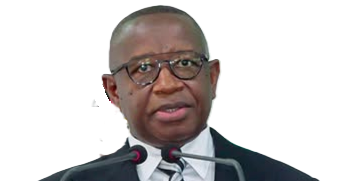
President Julius Maada Bio’s New Year’s Day national address struck a tone of restraint and resolve, but a close reading of the speech reveals significant gaps between stated intentions and concrete outcomes, particularly on the economy, food security, youth employment and democratic reform.
While the President acknowledged public hardship and urged patience, the address offered few measurable benchmarks to show how conditions will improve in 2026. Rising living costs were recognised as a global challenge, yet the speech did not explain why ordinary Sierra Leoneans continue to feel worsening pressure at home after years of “tough decisions” said to have stabilised the economy. No figures were provided on inflation, wages or household purchasing power, leaving citizens without a clear sense of when relief will be felt.


The administration’s repeated call for patience underscores a central weakness of the address: an emphasis on future gains without sufficient evidence of present results. The President described 2026 as a “Year of Action,” but outlined no timelines, targets or performance indicators by which the public can judge success. Promises of careful public finance management were not matched with details on how waste, leakages or debt pressures will be reduced.
Food security, presented as the top priority under the Feed Salone programme, again featured prominently. However, the speech did not address persistent complaints from farmers about access to inputs, markets and pricing. While the programme is framed as a solution to high food prices, the President did not explain why food remains unaffordable for many households or how quickly domestic production will replace imports at scale.
On youth and drug abuse, the address adopted a firm moral tone, especially on Kush, but offered limited insight into why enforcement and prevention efforts have not curbed the crisis. The warning to young people contrasted sharply with the lack of clarity on job creation beyond general references to agriculture, small businesses and future industries. For a country with a large and growing youth population, the absence of specific employment strategies remains a concern.
Economic diversification was again promised across multiple sectors including mining, tourism, energy and the digital economy. Yet this broad approach risks dilution. The address did not explain which sectors will be prioritised in 2026, how many jobs are expected, or how local businesses will compete alongside foreign investors.
Politically, the President reaffirmed commitment to the Tripartite Agreement and electoral reforms ahead of 2028. Still, the lack of progress timelines raises questions about urgency, especially amid lingering mistrust following the last elections.
Overall, the address projected steadiness and caution, but also highlighted an administration still asking citizens to wait for results. As 2026 unfolds, public judgment is likely to rest less on assurances and more on visible improvements in food prices, jobs, services and democratic confidence.