
By Umaru Jah, Berlin, Germany
The race for the APC flagbearership is gathering pace, and public discussion around the candidates continues to grow. Much of the debate so far has focused on alliances, numbers, and manoeuvring within the party. What has received less attention is a clear look at the background and capacity of those seeking to lead the party.


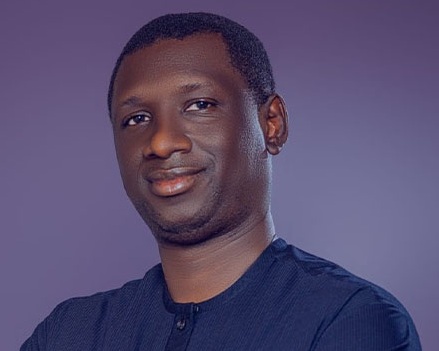
Among those seeking the party’s ticket is Dr. Ibrahim Bangura. Much of his background is already familiar to readers, but it remains central to understanding the case he is making in this contest.
Dr Bangura’s involvement with the APC goes back many years. He grew up in Freetown in a family that was active in party affairs. As a student at Fourah Bay College, he took part in organising APC supporters on campus and later helped set up the APC Students Union at the college, which played an important role in keeping students engaged in party activities. His decision to run for the leadership follows this long association.
Outside party politics, Dr Bangura is known for his academic work. He lectures in peace and conflict studies at Fourah Bay College. His areas of focus include governance, conflict resolution, transitional justice, and human rights. These issues remain central to Sierra Leone’s political and institutional development.
He has also worked with governments and organisations in Sierra Leone and other African countries, advising on governance and institutional reform. Some of this work has involved programmes aimed at strengthening public institutions and improving administrative systems.
In 2024 and 2025, Dr. Bangura was selected as an Africa Oxford Visiting Fellow at the University of Oxford. The fellowship is internationally recognised and is awarded to a small number of African scholars each year.
He has avoided public controversy. While some candidates have long records of political disputes, Dr Bangura’s work and reputation have kept attention on what he has done and what he can bring to leadership.
On governance, he speaks about institutions, accountability, and public engagement. He has talked about the need to connect education to jobs, address youth unemployment, and maintain public services after projects are launched. His comments tend to focus on how government systems work in practice.
His background and approach are different from many other candidates who have built their campaigns around party positions or high-profile political roles. Dr Bangura has developed his experience mainly through academic work, advisory roles, and behind-the-scenes support to the APC.
The leadership contest comes at an important time for the APC. How the party manages the process will shape public confidence and affect its standing ahead of future elections. He has also urged party members to conduct themselves with restraint, warning that internal attacks weaken the party and damage its image.
For APC delegates, the task is straightforward. They must weigh the records of those seeking leadership and decide who is best placed to lead the party through the next phase. That decision will say as much about the APC itself as it does about any individual candidate.