
By Hassan Osman Kargbo
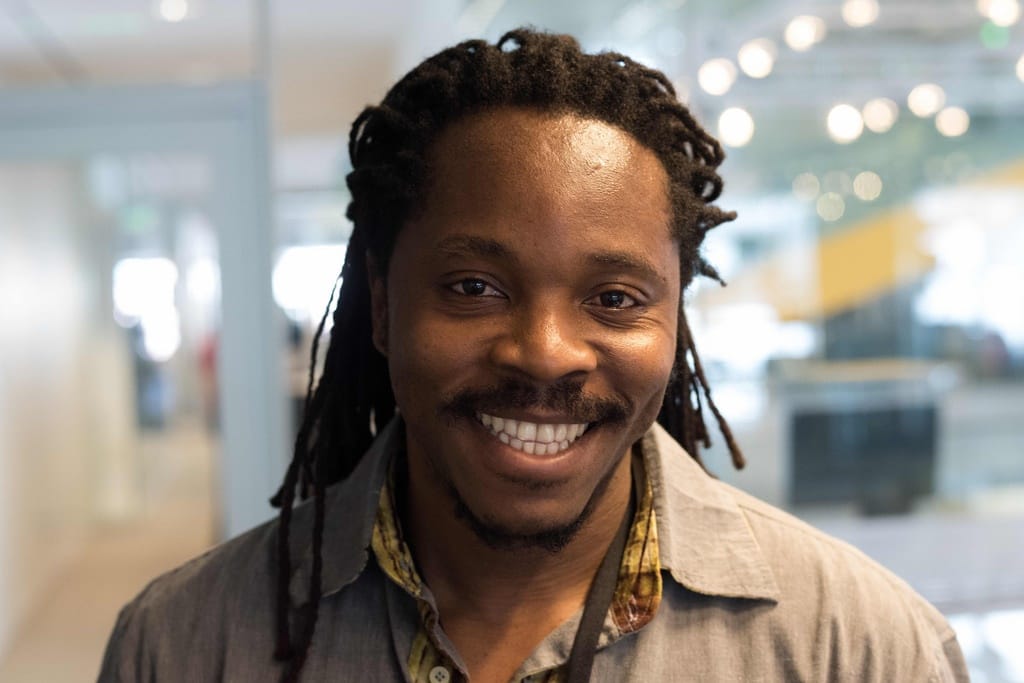
Sierra Leone’s Chief Minister, Dr. David Moinina Sengeh, delivered a compelling keynote address at the 2025 Commencement Ceremony of the Norman Foster Institute (NFI) Master’s Programme on Sustainable Cities, where he also joined his host, world-renowned architect Lord Norman Foster, in conferring degrees on the graduating class.
Dr. Sengeh, who serves as a Visiting Professor at the Institute, shared the high table with Lord Foster, celebrated globally for iconic architectural works including the Millau Viaduct in France, London’s Gherkin, Beijing International Airport, Wembley Stadium, and Apple Park in California. The ceremony brought together thought leaders, innovators, and urban visionaries committed to reshaping the world’s cities for a more sustainable future.


In a keynote described by many as a masterclass in leadership and urban transformation, Dr. Sengeh grounded his message in the lived realities of Freetown. He reminded the audience that in 2019, he advised the first cohort of NFI students to choose a problem in the world worth caring about. Today, he said, that advice has shaped his own journey in public service.
“I didn’t have to choose a problem,” he told the graduates. “The problems chose me.”
He explained that Freetown, originally designed for 300,000 residents, now holds more than 1.2 million people. As an NFI pilot city and a real-time urban laboratory, its challenges reflect the global struggle of rapidly expanding cities facing congestion, environmental pressure, and infrastructure gaps.
Dr. Sengeh laid out Sierra Leone’s blueprint for a sustainable future based on three strategic pillars. The first is Green Growth Through Mega Projects, with the ambitious Freetown Lungi Bridge at the center. He described the 8 km bridge as more than a structure, calling it a “code rewrite” for the city that will ease congestion, create a thriving economic corridor, and protect the remaining forest hills.
The second pillar is Radical Inclusion as Action, which he defined as a commitment to co-creation rather than top-down policy. He recounted walking through Freetown’s threatened greenbelt forests to engage directly with communities. Through open dialogue, residents once seen as encroachers were transformed into guardians of the city’s water sources. “This isn’t top-down tyranny,” he emphasized. “It is bottom-up stewardship.”
The third pillar is Public Private Partnership as Regeneration. Dr. Sengeh highlighted collaborations with groups such as Rainforest Builders to promote reforestation and ensure fair carbon credit outcomes. This approach, he said, aligns with a development model that benefits people, the planet, and economic progress.
In his closing remarks, Dr. Sengeh reflected on the doubts he once faced. He said he had been told he was too young or debated too much online to lead but chose instead to focus on those who believed in him. He encouraged the graduates to do the same.
“Your goal should not be to prove your doubters wrong. Your goal is to prove your believers right and do the impossible,” he said, urging them to become the brick layers, code writers, and tree planters who will shape a better world.
He ended with a Mende proverb: “Gu ya eh go la,” meaning one tree cannot make a forest, reminding the graduates that progress is built through collective effort.