

By Hassan Osman Kargbo
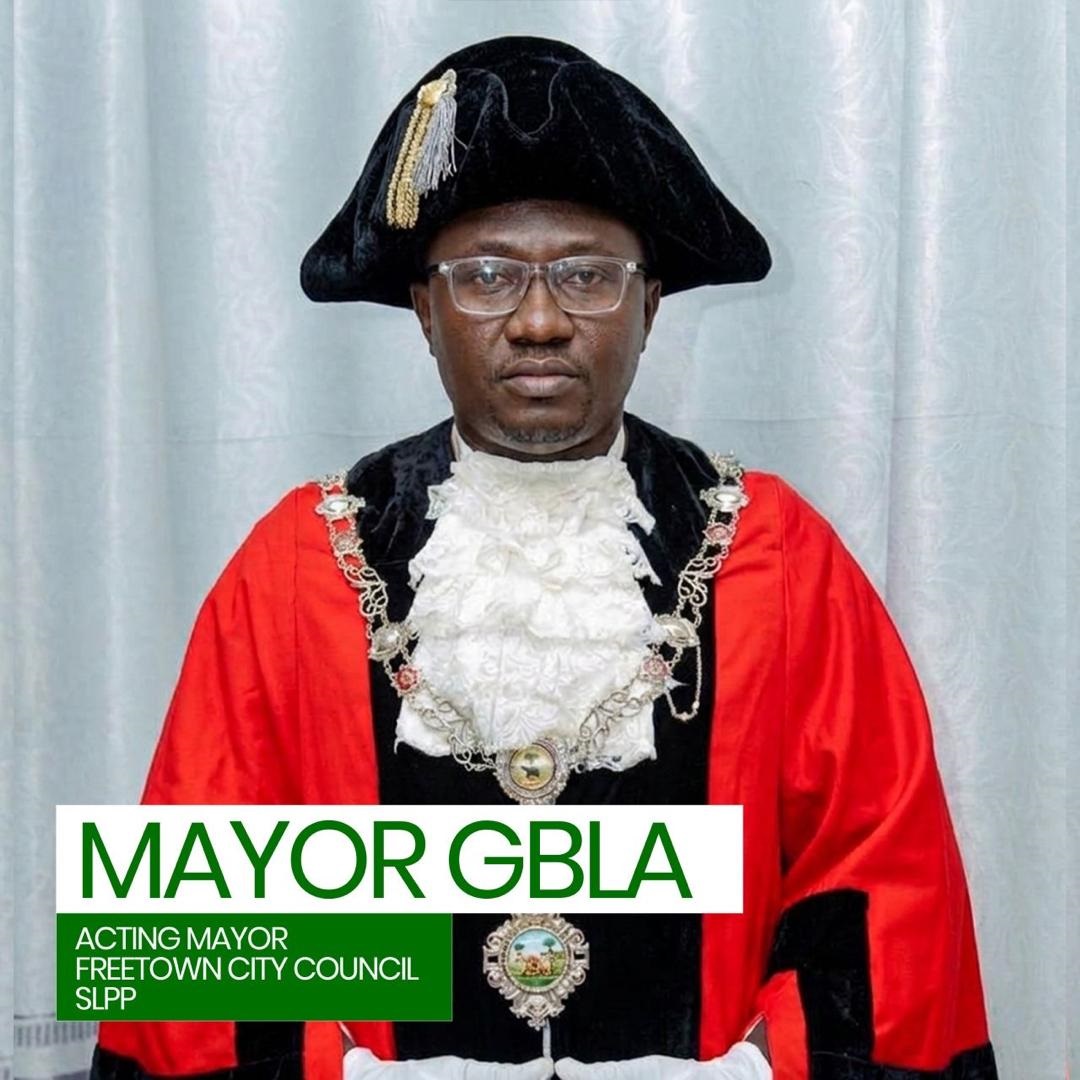
A fresh political and legal dispute has emerged within the Freetown City Council following the decision by Sierra Leone Peoples Party councillors to appoint an acting mayor, a move that has been strongly rejected by the sitting mayor.


Freetown Mayor, Yvonne Aki-Sawyerr, has openly challenged the decision, arguing that it has no legal basis under the Local Government Act 2022. In a statement shared on her official Facebook page, she maintained that the law does not provide for the position of an acting mayor under any circumstances.
According to Mayor Aki-Sawyerr, the attempt to introduce such a role undermines established legal provisions governing local councils. She emphasized that any leadership arrangement outside what is clearly defined in the law risks creating confusion and weakening institutional integrity.
The controversy has drawn national attention, with the Minority Leader of Parliament, Abdul Kargbo, also weighing in on the matter. Hon Kargbo affirmed that the Local Government Act 2022 does not recognize the concept of an acting mayor, reinforcing the mayor’s position on the issue.
He explained that while councillors may designate someone to preside over council meetings in the absence of the mayor, such a role is strictly limited and does not equate to assuming full mayoral authority. He stressed that the mayoral position cannot be declared vacant unless due process is followed, including resignation, removal, or death.
“The law is clear on this matter,” Hon Kargbo noted, warning that any deviation from established procedures could lead to legal challenges. He further cautioned that decisions taken under an improperly constituted authority may be deemed invalid, particularly if they fail to meet quorum and procedural requirements.
The appointment of an acting mayor by SLPP councillors has therefore sparked a broader debate about the interpretation of the law and the limits of political authority within local governance structures. Supporters of the move argue that it is a practical step to ensure continuity in council operations, especially during periods of absence or disagreement.
However, critics insist that practicality cannot override legality. They argue that introducing roles not by law sets a dangerous precedent and could undermine the rule of law in local administration.
Observers say the situation reflects deeper political tensions between the ruling party and opposition figures within the council. The disagreement also raises concerns about the potential impact on service delivery in the capital, as disputes over leadership could affect decision making processes.
Legal experts emphasize the need for clarity and strict adherence to statutory provisions to avoid prolonged disputes. They note that local councils play a critical role in governance and must operate within clearly defined legal frameworks to maintain public trust.
As the debate continues, calls are growing for dialogue and possible legal interpretation to resolve the issue. Many believe that a clear and lawful approach is essential to ensuring stability within the Freetown City Council.
The coming days are expected to determine whether the matter will be settled through consensus or escalate into a broader legal and political confrontation.