
By Hassan Osman Kargbo
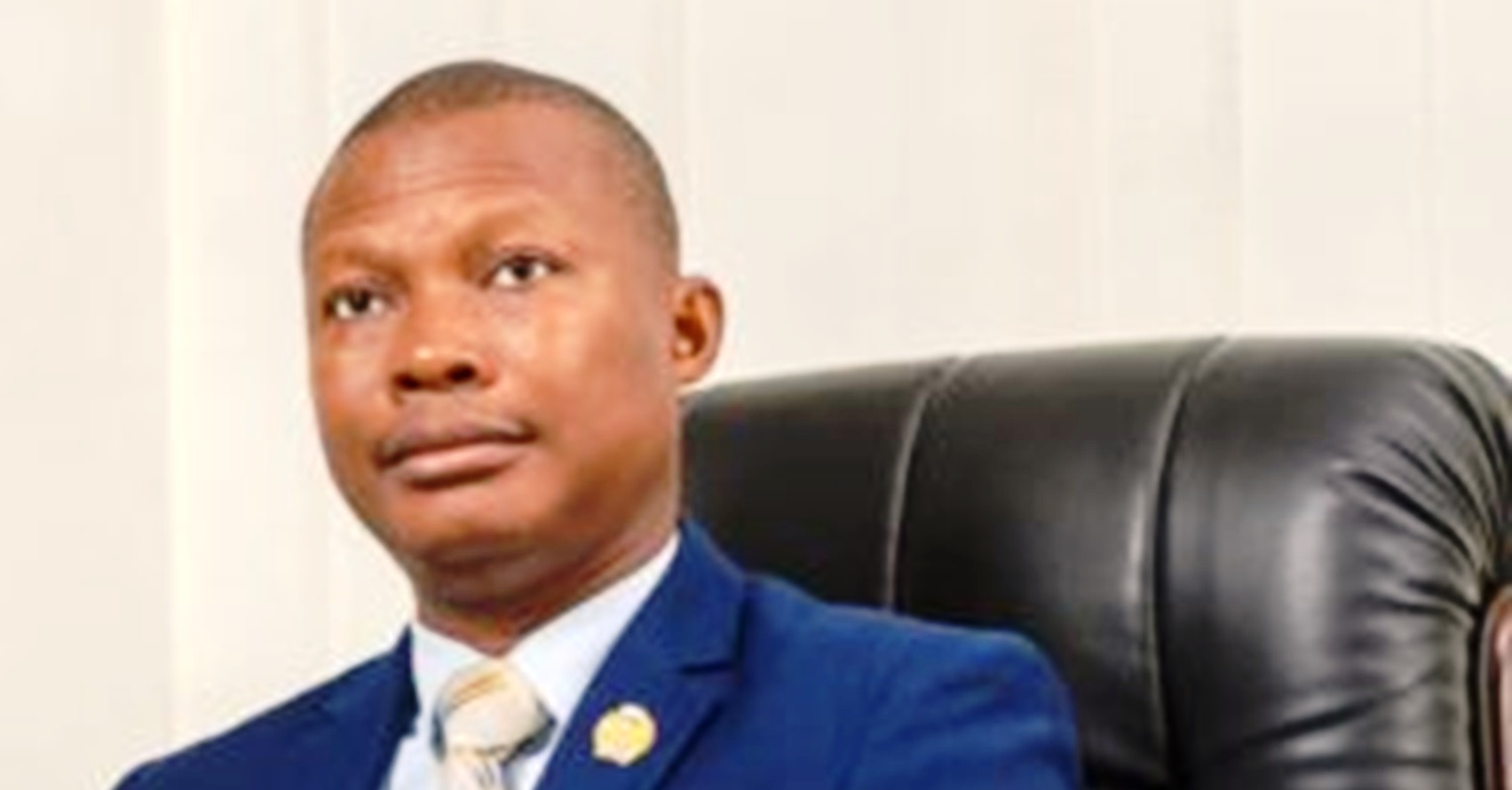
Sierra Leone is facing serious economic hardship as fuel shortages and increased pump prices continue to affect the lives of ordinary citizens. The recent decision by the National Petroleum Regulatory Authority (NPRA), through the Government of Sierra Leone, to increase the prices of fuel and gas has worsened an already difficult situation. Across the country, people are struggling to cope, while concerns are growing about the performance of the NPRA under the leadership of its Director General, Mr Baluwa Koroma.


Fuel plays a critical role in the daily lives of Sierra Leoneans. It powers transportation, supports businesses, and keeps essential services running. Since the price increase, transport fares have gone up sharply. Students are among the hardest hit. Many now pay double the usual fare to get to school, while others are forced to walk long distances or stay at home because they cannot afford daily transport costs. Parents, already under pressure, say the situation is becoming unbearable.
The impact goes beyond transportation. Market prices for food and basic goods have also increased because traders now pay more to move goods from one place to another. Commercial drivers argue that the higher fuel prices leave them with no choice but to increase fares, but commuters say their incomes have not changed. As a result, the common man is trapped, paying more for everything while earning the same or even less.
Small businesses are also suffering. Many rely on fuel-powered generators due to unstable electricity supply. With higher fuel prices, operating costs have risen, forcing some businesses to reduce working hours or shut down completely. This has led to job losses and reduced income for many families, deepening poverty across communities.
In response to public outcry, NPRA Director General Baluwa Koroma called a press briefing to explain the fuel price increase. However, the briefing failed to calm public anger. Journalists and citizens expected clear reasons for the hike, but the explanations given were seen as vague and unsatisfactory. Many felt that the DG did not directly address the core issues affecting the fuel sector or provide a clear plan to ease the burden on the people.
One of the biggest sources of public frustration is the widespread belief that fuel and gas prices have reduced on the international market. Reports and discussions circulating locally suggest that global prices are falling, yet Sierra Leoneans continue to pay more at the pump. This has raised serious questions about transparency and efficiency within the NPRA. People are asking why global reductions are not reflected locally and whether the authority is truly acting in the interest of the public.
There are also growing complaints about irregularities in the fuel sector. Some citizens allege inconsistent pricing, poor regulation, and weak monitoring of fuel dealers. Others believe that the NPRA has failed to communicate clearly and honestly with the public, allowing rumors and mistrust to grow. For an institution meant to regulate petroleum products and protect consumers, these concerns point to a failure in leadership and accountability.
Civil society groups, students, and transport unions are now calling on the government to take urgent action. They want a review of the fuel price increase, better management of fuel supply, and clear public explanations backed by facts and figures. Many believe that if the situation is not addressed quickly, public frustration could escalate.
For now, the suffering continues. The fuel shortage and price hike have placed an extra burden on a population already struggling with a high cost of living. Sierra Leoneans are demanding answers, transparency, and relief. Until the NPRA and the government respond with clear action, the impact of the fuel crisis will remain a daily reality for the people.