
By Forum staff writer


Gabon’s media regulator has announced the suspension of social media platforms across the country until further notice, citing concerns that online activity has fuelled conflict, misinformation, and social division.
The decision was announced on Tuesday evening in a televised statement by the High Authority for Communication, commonly known as HAC. The regulator said the move was necessary to protect public order and national cohesion amid growing tensions linked to online content.
According to HAC spokesperson Jean Claude Mendome, the suspension was prompted by the widespread circulation of false information, rising cases of cyberbullying, and the unauthorised disclosure of personal data on digital platforms. He said these practices have contributed to hostility and mistrust among citizens.
“The uncontrolled use of social media has become a serious threat to social harmony,” Mendome said, adding that the regulator could no longer ignore the damaging impact of digital misinformation and abuse.
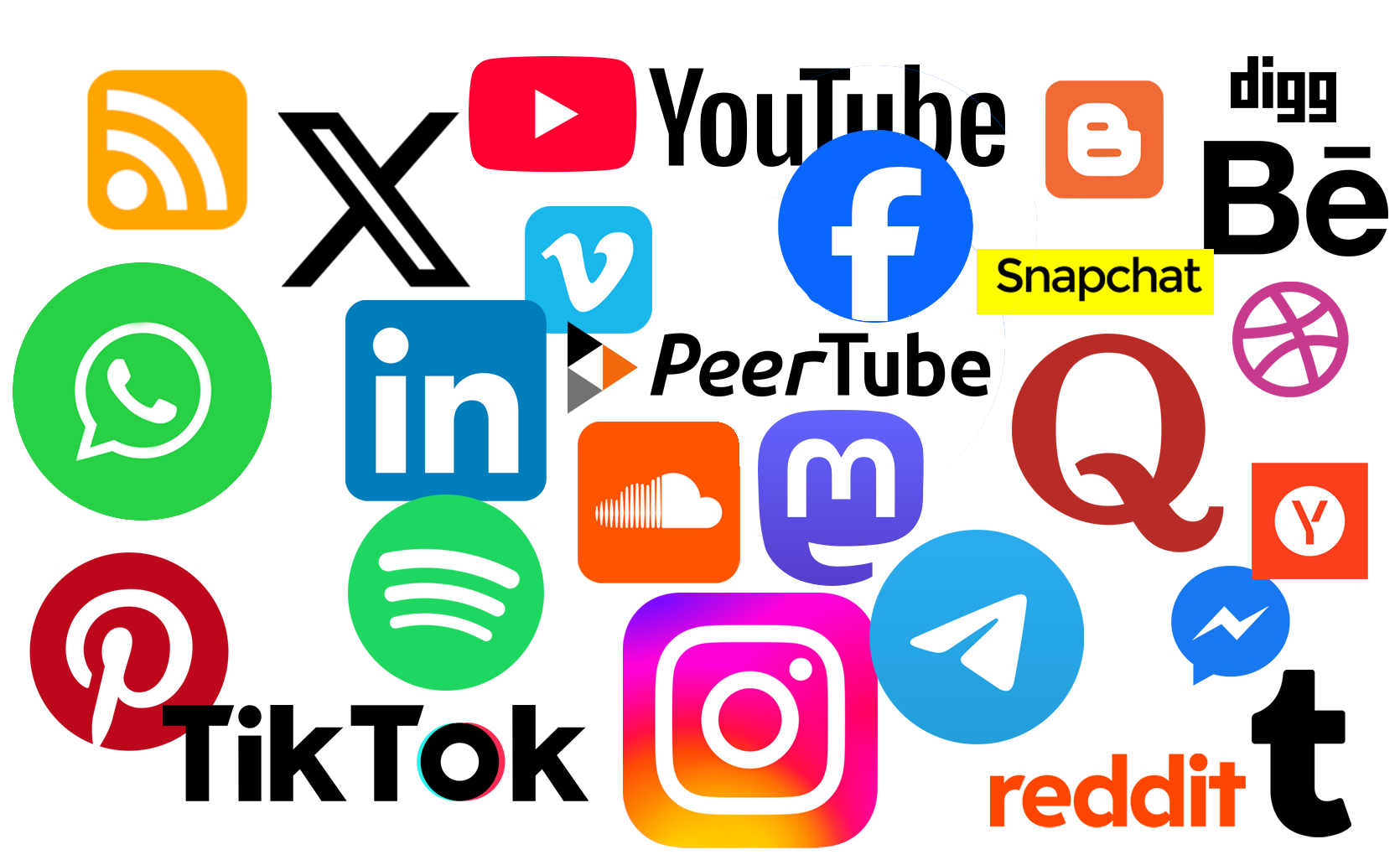
While the announcement did not specify which platforms would be affected, popular social media services such as WhatsApp, Facebook, and TikTok are widely used across Gabon for communication, political discussion, and business activities. Many citizens rely heavily on these platforms for news and social interaction.
The suspension comes at a politically sensitive time for the Central African nation, which is currently under the leadership of Brice Oligui Nguema. General Oligui Nguema rose to power following a military coup in 2023 and later won presidential elections held last year.
Government supporters argue that the measure is intended to prevent the spread of harmful narratives that could undermine stability. Officials say social media has increasingly been used to circulate unverified reports and inflammatory messages capable of provoking unrest.
However, the decision has raised concerns among civil society groups, journalists, and digital rights advocates. Critics warn that suspending access to social media could restrict freedom of expression and limit access to information, particularly in a country where online platforms have become key spaces for public debate.
Some analysts say the lack of clarity about which platforms are affected and how long the suspension will last adds to uncertainty. The phrase “until further notice” has left many users unsure when services will be restored or what conditions must be met for access to resume.
Business owners and young people have also expressed concern about the economic and social impact of the suspension. Social media platforms play a significant role in small scale commerce, advertising, and youth engagement across the country.
The HAC has not provided a timeline for reviewing the decision, but said it would continue to monitor the situation and take further steps if necessary.
As Gabon navigates its post-coup political transition, the suspension of social media is expected to remain a contentious issue, balancing government claims of security and public order against calls for digital freedom and transparency.