
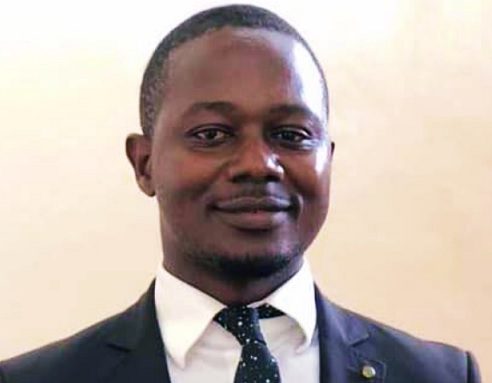
By Hassan Osman Kargbo
Former Deputy Minister of Internal Affairs Lahai Lawrence Leema has defended his leadership credentials, insisting that his inability to complete law school has no bearing on his capacity to serve the public. Speaking on this week’s episode of Politics and Di People, Lawrence addressed questions surrounding his academic record and its relevance to his political career.


Lawrence was once enrolled in the Sierra Leone Law School, the institution responsible for training and certifying legal practitioners for the High Court of Sierra Leone. He acknowledged that he did not complete the program but argued that leadership requires qualities far beyond professional certification. According to him, the criticism focused on his academic setback overlooks the broader scope of public service and what citizens truly expect from their leaders.
He emphasized that leadership is rooted in integrity, experience, and a genuine commitment to national development. In his view, the public should judge officials based on their work, their vision, and their dedication to improving lives rather than focusing solely on academic accomplishments. Lawrence noted that many respected leaders around the world have achieved success without following conventional educational paths, and he believes Sierra Leone should adopt a similar understanding.
Throughout the interview, he maintained that his years of service in public office demonstrate his capability. As Deputy Minister, he said he handled responsibilities that required sound judgment, management skills, and an understanding of national priorities. These experiences, he argued, are far more indicative of leadership potential than a qualification he did not obtain.
Lawrence also cautioned against what he sees as a growing trend of using academic records as a political weapon. He expressed concern that such debates may distract from conversations about governance, accountability, and national progress. Instead, he urged the public to focus on the substance of leaders’ contributions and the impact of their decisions.
His remarks have sparked discussion among political observers and citizens, some of whom agree that leadership should not be defined solely by academic success. Others argue that higher education, especially in fields related to governance and justice, helps to strengthen the credibility and competency of public officials. The conversation continues to highlight deeper questions about expectations of political leaders in Sierra Leone and how the nation evaluates those who seek public office.
At a time when political transparency and competency remain key issues, Lawrence’s comments have added a new dimension to the ongoing national discourse on leadership and qualifications.