

By Richard Williams, SLENA
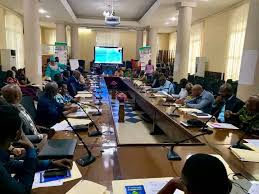
The Ministry of Technical and Higher Education (MTHE), in collaboration with the Commonwealth of Learning (CoL), has commenced a two-day workshop to develop a national micro-credential framework for Sierra Leone.
The workshop which commenced on 3rd December, 2025 will conclude on the 4th with a validation session incorporating stakeholders’ feedback.


MTHE’s Permanent Secretary, Mohamed Sheick Kargbo, said the meeting aimed to design a national micro-credential system.
He welcomed participants on behalf of the Ministry and its partners, reflecting on past attitudes toward skills training.
He noted that technical and vocational education was once undervalued, but the introduction of micro-credentials would help shift the “qualified by experience” mentality toward formal recognised certification.
Dr. Josephus Brimah, Chief Technical and Higher Education Officer at MTHE, explained that micro-credentials are small, stackable learning units that can stand alone or contribute to larger qualifications.
He urged participants to engage fully so that the resulting framework would be nationally owned.
He encouraged educators to study international examples and embrace continuous learning.
CEO of the Students’ Loan Scheme, Paul Amara, assured the Ministry of his institution’s support, noting that the framework is long overdue.
He emphasised that micro-credentials would strengthen access to technical and higher education and align with the Loan Scheme’s plans to expand support for undergraduate and TVET students.
Giving the Keynote address, MTHE’s Deputy Minister, Sarjoh Aziz-Kamara, reaffirmed government’s commitment to skills development under the national agenda.
He said micro-credentials would create flexible pathways for young people to acquire targeted, market-relevant skills—particularly in digital literacy, entrepreneurship, and renewable energy.
He added that the initiative complements the National Qualifications Framework and aligns with national job-creation targets.
He encouraged participants to contribute actively and consider how micro-credentials can be integrated into institutional programmes.
He also stressed the importance of strengthening technical education across districts to ensure young people can access training within their communities.
Prof. Jane-Frances Agbu outlined the workshop’s objectives, which include building a shared understanding of micro-credentials, reviewing global developments, presenting survey findings, developing key components of a national framework, and identifying national priorities.
Expected outcomes include agreement on definitions and scope, drafting core elements of the framework, establishing next steps for consultation and implementation, and strengthening national capacity.
Prof. Masibo Lumala delivered an overview of the Commonwealth’s Micro-Credentials Framework project, while Dr. Victor Massaquoi presented insights into Sierra Leone’s policy environment, skills needs, and readiness to adopt a national micro-credential system.