

Senegal Parliament Approves Tougher Law on Same Sex Relations
By Hassan Osman Kargbo
Lawmakers in Senegal have approved a new law that increases the maximum prison sentence for sexual relations between people of the same sex and introduces penalties for promoting homosexuality.


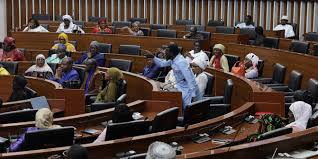
The legislation was passed by the National Assembly after a vote in which 135 members of parliament supported the bill, none voted against it and three lawmakers abstained. The bill now awaits approval from President Bassirou Diomaye Faye before it can formally become law.
If signed, the legislation will raise the maximum prison sentence for same sex relations to 10 years. The new law will also criminalise the promotion of homosexuality, further tightening existing restrictions.
Same sex relationships were already prohibited under Senegalese law prior to the passage of this new measure. However, supporters of the legislation say the new provisions are intended to strengthen existing legal frameworks and reinforce social values widely held in the country.
The bill forms part of a political commitment made during the election campaign of President Bassirou Diomaye Faye and Prime Minister Ousmane Sonko. Both leaders had pledged to take a firm position on the issue as part of their broader governance agenda.
The legislation was introduced to parliament following a wave of arrests linked to alleged same sex relationships in the country. Authorities had already been enforcing laws that criminalise such relationships, but the new bill expands the scope of the legal penalties.
Government officials say the move reflects the position of many citizens in Senegal, where public opinion on the issue has long been conservative.
Responding to international criticism, the government’s spokesperson defended the decision taken by lawmakers. According to the official, the legislation represents the will of the Senegalese people and aligns with the country’s cultural and social values.
Critics of the law, including several international human rights groups, have expressed concern about its potential impact on civil liberties and personal freedoms. They argue that criminalising both same sex relations and the promotion of homosexuality could lead to increased discrimination and legal risks for individuals.
Despite the criticism, the government maintains that the law was passed through a democratic process within the country’s parliament.
Observers say the president’s decision on whether to sign the bill will be the final step in determining its implementation. Once signed, the legislation will formally become part of Senegal’s legal system and guide future enforcement of laws related to same sex relations.
The development has drawn attention across the region and internationally, as debates continue over legal approaches to sexuality and human rights in different parts of the world.