
By Forum staff writer
Sierra Leone has come under increasing international scrutiny after a new report identified the country as a growing transit point in West Africa’s expanding cocaine trade, raising concerns about national security, governance, and public health.


The report by the Global Initiative Against Transnational Organized Crime titled Cocaine Markets in West Africa Mapping Impacts Routes Trends and Actors places Sierra Leone within a so called Western coastal hub used by traffickers to move large quantities of cocaine from Latin America to Europe. Other countries in this network include Guinea, Liberia, Senegal, Gambia, Guinea Bissau and Cabo Verde.
According to the findings, the Port of Freetown has emerged as a critical link in global trafficking routes. Cocaine shipments are reportedly moved from Brazil’s Santos port, a known export hub, through Sierra Leone before heading to major European entry points such as the Port of Antwerp in Belgium, where authorities have recorded significant seizures tied to the route.
The report also highlights evolving trafficking methods. In addition to container shipments, traffickers are increasingly relying on smaller vessels to collect packages dropped offshore. These consignments are tracked using GPS technology and retrieved by what are described as daughter vessels. Local fishermen along Sierra Leone’s coastline have reportedly been approached to assist in transporting the drugs within the country and across nearby borders, particularly into Guinea. Many of these shipments are said to exceed 100 kilograms and are largely coordinated by foreign actors.
In a striking development, a semi submersible vessel washed ashore at Black Johnson beach in 2025, providing rare evidence that traffickers are deploying submarine style craft in the Gulf of Guinea. The report further notes that private aircraft linked to drug trafficking activities have been observed operating in and out of Sierra Leone.
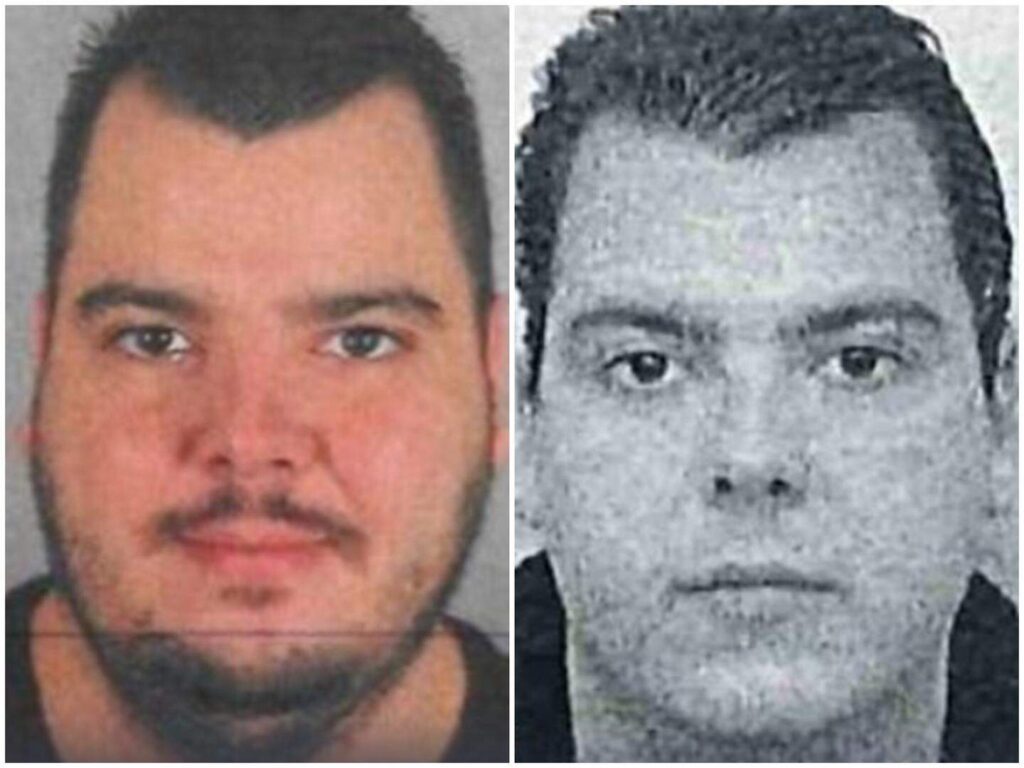
Beyond the logistics of trafficking, the report raises alarm over the penetration of illicit drug money into state institutions. It references the case of Dutch trafficker Jos Leijdekkers, who was sentenced in Antwerp in 2024 and 2025 for large scale cocaine operations. He was reportedly based in Sierra Leone and allegedly maintained links with individuals connected to the presidential family. Despite widespread media attention, the report notes that there were limited long term consequences.
Further concerns emerged in January 2025 when Sierra Leone recalled its ambassador to Guinea after cocaine was discovered in embassy vehicles. The incident underscored fears about institutional vulnerability and the reach of trafficking networks. Political tensions have also been inflamed by opposition claims linking high level figures to the trade, a development some observers believe could shape the country’s political landscape ahead of the 2028 elections.
While most of the cocaine passing through Sierra Leone is destined for Europe, the report warns that domestic consumption is on the rise. Crack cocaine use is reportedly increasing in urban areas, with informal drug dens emerging and placing additional strain on already limited public health services.
The findings also point to the possible involvement of foreign nationals in maritime trafficking, particularly within the fisheries sector. In addition, there are reports of cocaine concealed in cashew shipments moving from Guinea Bissau to India, with suspected links to Sierra Leonean distribution networks.
The report concludes that Sierra Leone faces growing risks from the cocaine trade, including rising addiction, corruption driven by illicit profits, and stronger ties between trafficking networks and organized crime. It calls for improved intelligence gathering, tighter port controls, and coordinated regional action to prevent the country from becoming a permanent corridor for international drug trafficking.