
By Forum staff writer
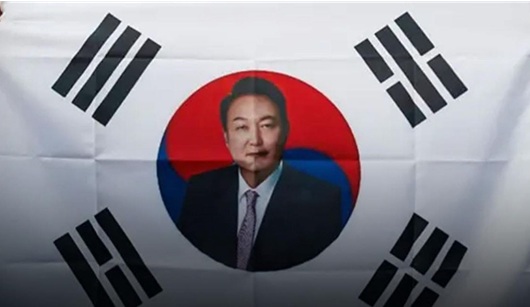
A South Korean court has sentenced former president Yoon Suk Yeol to life imprisonment after finding him guilty of masterminding an insurrection linked to his failed attempt to impose military rule in December 2024.


The 65 year old former leader was convicted for orchestrating what the court described as a deliberate and unconstitutional move to seize control of the state through the declaration of martial law. Although the order remained in effect for only six hours, judges ruled that its impact on the country was severe and far reaching.
According to the ruling, Yoon’s actions paralysed what remained of the government at the time, disrupted democratic institutions, and plunged the nation into political uncertainty. The court said the attempt undermined constitutional order and posed a direct threat to democracy in South Korea.
The December 2024 incident sent shockwaves across the country and quickly became one of the most controversial moments in its modern political history. The declaration of military rule was met with immediate resistance from lawmakers, civil society groups, and sections of the security forces, forcing its abrupt collapse.
Despite its short duration, the fallout proved long lasting. Yoon’s political party suffered a major defeat in the subsequent national election, losing public confidence amid widespread anger and fear over the attempted power grab.
The case has also deepened political divisions within the country. On the day of the verdict, large crowds of Yoon’s supporters gathered outside the courthouse, protesting the ruling and denouncing what they described as a politically motivated trial. Security forces were deployed to maintain order as tensions ran high.
Yoon is already serving time in prison following an earlier conviction related to the same martial law episode. That conviction addressed specific abuses of authority connected to the order, separate from the broader insurrection charges that led to the life sentence.
Legal officials confirmed that the former president still faces two additional trials arising from the December 2024 events. These cases are expected to focus on further allegations, including conspiracy, abuse of power, and violations of national security laws.
In its judgment, the court stressed that no individual, regardless of position or past authority, is above the law. It said the sentence reflected the seriousness of the crime and the need to safeguard constitutional governance.
Political analysts say the verdict marks a defining moment for South Korea’s democracy. While supporters of the ruling argue it reinforces the rule of law and democratic accountability, critics fear it could further polarise an already divided society.
As South Korea absorbs the implications of the historic ruling, the conviction of a former president for insurrection stands as a stark reminder of the fragility of democratic institutions and the consequences of attempts to undermine them.
The case continues to draw international attention as one of the most dramatic political downfalls in the country’s history.