
By Albert David
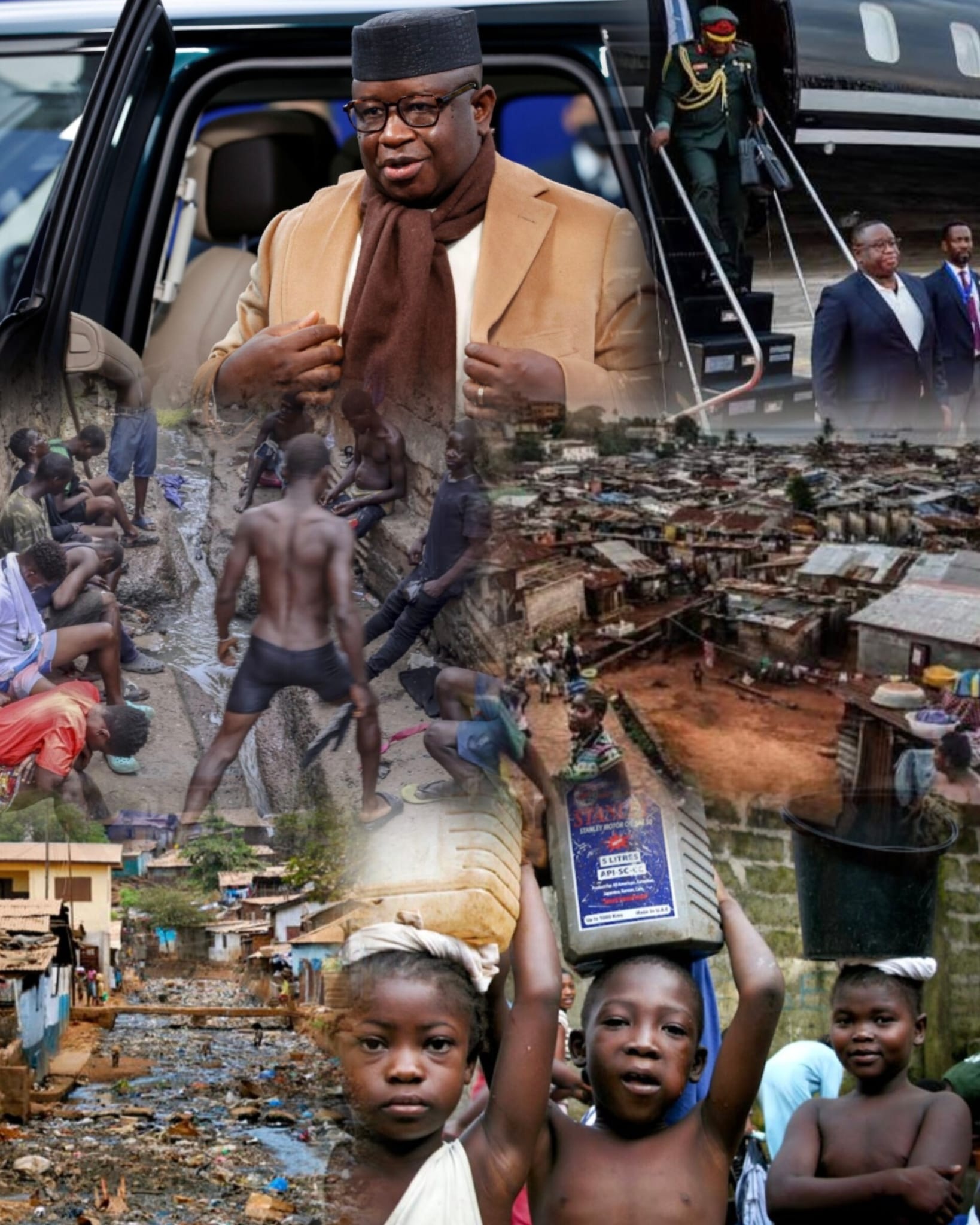
Sierra Leone stands at a defining moment, one that demands honesty, courage, and a national awakening. For years, the country has spoken the language of development, democracy, and transformation. Yet beneath the speeches and slogans lies a troubling reality: foreign investment is shrinking, infrastructure remains fragile, traditional and modern governance structures clash, and political polarization is quietly tearing at the fabric of national unity. These are not isolated problems. They are interconnected failures, failures that undermine economic growth, weaken social cohesion, and endanger the future of millions of young Sierra Leoneans. This is not just worrying, it is disturbing, destabilizing, and it is ethically unacceptable for any nation that claims to prioritize its people.


Foreign investors are not afraid of Africa. They are afraid of uncertainty, opacity, and unpredictability. Sierra Leone’s investment climate suffers because of weak infrastructure, slow and inconsistent regulatory processes, limited access to reliable data, corruption and bureaucratic bottlenecks, and political instability and polarization, and lack of long‑term development planning. Investors need clear rules, transparent systems, reliable infrastructure, predictable governance, and a stable political environment. When these are missing, investment flees, not because the country lacks potential, but because the risks outweigh the opportunities. This is not just an economic issue. It is a governance failure with devastating consequences for jobs, growth, and national development.
Infrastructure is the backbone of any modern economy. Without it, development becomes a dream rather than a plan. Sierra Leone’s infrastructure gaps are economically crippling, socially damaging, and nationally limiting. The long‑term consequences include high cost of doing business, limited access to markets, poor connectivity between districts, amd weak agricultural value chains, unreliable energy supply, low technological adoption, and reduced investor confidence. A nation cannot grow when its roads are broken, its electricity unreliable, and its digital infrastructure underdeveloped.
Infrastructure is not a luxury. It is a national necessity.
Sierra Leone’s governance landscape is a complex blend of traditional authority, modern democratic institutions, local councils, and central government structures.
When these systems work together, they strengthen communities. But when they clash, they create confusion, power struggles, delays in development projects, conflicting mandates, weak accountability, and community frustration. Traditional authorities hold cultural legitimacy. Democratic institutions hold constitutional legitimacy. But when the two operate without coordination, the result is governance paralysis. This tension is not just inefficient. It is oppressive, manipulative, and dismissive of citizens’ rights to effective governance.
Political polarization is one of the most dangerous forces in any society. It divides communities, weakens institutions, and turns national issues into partisan battles.
In Sierra Leone, polarization undermines trust in public institutions, fuels misinformation, weakens investor confidence, creates social tension, distracts from development priorities, and erodes national unity. A nation cannot progress when its people are divided along political lines. Unity is not optional, it is the foundation of stability, peace, and development.
These four issues, investment struggles, infrastructure gaps, governance tensions, and polarization, combine into a dangerous national equation. They destroy economic growth. No investor will commit to a system that is unpredictable or opaque. They weaken national unity. Communities become divided, suspicious, and easily manipulated. They undermine development. Projects stall, funds disappear, and progress slows. They endanger the youth. Young people lose opportunities, hope, and trust in the system. This is not just a governance problem. It is a national survival problem.
Sierra Leone does not need more speeches. It needs systems that work, institutions that obey the law, and leaders who respect the people. A new national direction must include transparent governance and open access to public information, stronger infrastructure investment and maintenance, clear coordination between traditional and democratic institutions, depoliticized national development planning, and youth‑centered economic policies, a stable, predictable investment environment, and acountability at every level of government. Good governance is not a slogan. It is a responsibility.
Despite the challenges, Sierra Leone’s youth remain the country’s greatest asset. You are not powerless. You are not voiceless, and you are not invisible. You are the engine of national transformation. Your demand for transparency matters. Your insistence on accountability matters. Your participation in civic life matters, and your voice in national conversations matters. A nation rises when its youth rise. A democracy strengthens when its youth engage. A future becomes possible when its youth refuse to give up.
A country cannot attract investment while hiding information. A country cannot grow while its infrastructure collapses. A country cannot unite while its politics divide, and a country cannot progress while its governance structures clash.
Sierra Leone deserves a governance system that is transparent, inclusive, accountable, and committed to the people, not to secrecy, not to favouritism, not to self‑preservation. The future belongs to those who demand better, build better, and believe that better is possible.