
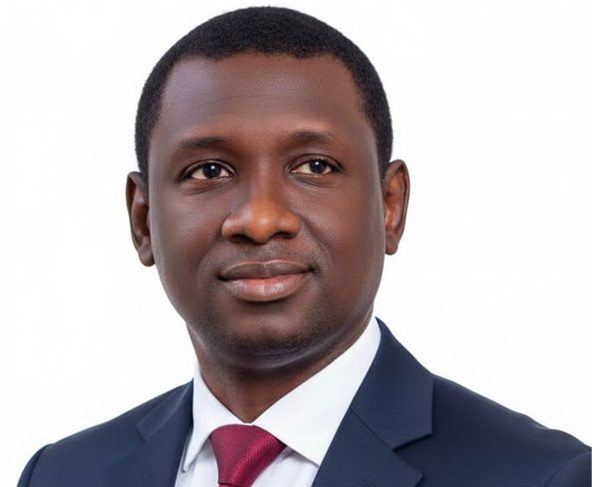
By Jarrah Kawusu – Konte
Freetown, Sierra Leone — In 2021, government officials launched a bold initiative: connect secondary schools, universities, and even school buses to the internet. It was part of what the Ministry of Basic and Senior Secondary Education (MBSSE) touted as the “Smart Learning Sierra Leone” programme, an ambitious plan to “bridge the digital divide” and modernize public education through high-speed connectivity.
There was much fanfare:


* MoUs signed with private telecom firms
* Press conferences held announcing “nationwide digital education zones”
* Even school buses were showcased with alleged “Wi-Fi-on-wheels” capability
* Vice-president Dr Mohamed Juldeh Jalloh even announced to expand internet to 500 schools across the country in 2025.
But three years on, students and educators alike are asking: where is the internet?
“It lasted for about two months,” said a teacher at the St Joseph’s Convent Secondary School in Freetown. “They brought modems. The signal was weak. It never worked again.”
At Njala University and Fourah Bay College, where fiber was promised for both campuses, only partial connectivity reached limited administrative offices. Students continue to rely on mobile hotspots, if they can afford them.
“We were told by a senior official that campus internet would be 24/7. It’s a myth,” said Hawa Massaquoi, a fourth-year public health student.
In university campuses in Makeni, Kenema, and Port Loko, similar complaints persist: internet connectivity remains a hassle, expensive and unreliable. When the lines are up, lack of electricity add its own special salt to the injury.
And the “Wi-Fi Buses”?
Sources within the MBSSE and National Telecommunications Commission (NATCOM) admit the buses were retrofitted with commercial 4G routers tied to short-term prepaid SIMs.
A NATCOM engineer, who requested anonymity, confirmed:
“No long-term service contract. No budget for renewals. Once the SIM cards expired, the ‘Wi-Fi’ vanished.”
Data and Voice: A Cost Spiral
Under the previous APC-led administration, mobile internet access saw steady price declines between 2014 and 2018, thanks to:
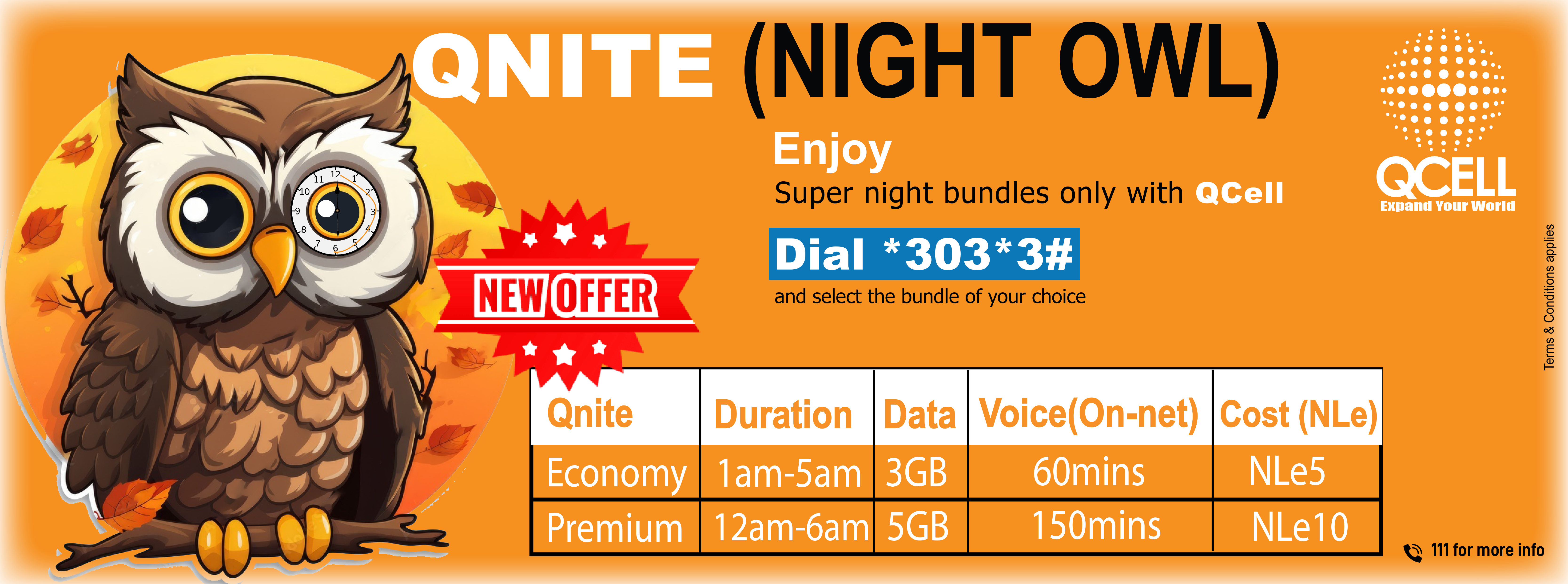
* Entry of new telecom competitors (Africell, QCell)
* NATCOM’s push for tariff reviews
* Regulatory incentives for rural access
Then (April 2018):
* 1GB of data = approx. Le 5,000 – Le 7,000
* 1-minute local call = approx. Le 200 – Le 250
* Weekend bonuses and student data packages were common
Now (2025–2026):
* 1GB of data = Le 18,000 – Le 25,000 (tripled)
* 1-minute local call = Le 400 – Le 600, now it’s Le1, 010 (Le1.10 New Leones)
* Weekend offers scaled back, bonuses removed, and network throttling frequent.
Sierra Leone now ranks among the top 5 most expensive countries for mobile data in Sub-Saharan Africa, according to the 2024 Alliance for Affordable Internet (A4AI) Report, far behind neighbors like Ghana, Nigeria, and Liberia.
Impact on Learning and the Youth
A 2023 UNESCO-UNICEF Education Connectivity Assessment in Sierra Leone found:
* 71% of public secondary schools lack reliable internet access
* Only 8% of students surveyed have ever used online learning platforms
* 63% of rural teachers said they received “no digital skills training” despite the push for smart education.
“Digital learning requires infrastructure, not slogans,” said the report’s regional coordinator.
A Leadership Disconnect — and a Political Reckoning
The failed connectivity agenda is not just a tech issue. It reflects a governance culture of over-promising and under-delivering, where flashy announcements mask the absence of planning, sustainability, and public consultation.
“You can’t put Wi-Fi on a bus and call it a revolution,” said Dr. Ibrahim Bangura, addressing APC youth in Kenema. “True digital change means access, affordability, accountability — and above all, honesty.”
He proposes:
* An audit of all government ICT education programs since 2018
* Reinvestment in a Digital Schools Access Fund governed by communities
* Mandatory public reporting by NATCOM on all telecom revenues, co -location fees, and universal access fund expenditures.
Families Left Offline, Futures Left Behind
In Gbinti, a small town in the Northern Province, 14-year-old Aminata Bangura says she’s never used the internet. Her school has no lab. Her father, a fisherman, can’t afford a smartphone. Her dreams of becoming a doctor are alive — but offline.
“I hear people say you can learn on a laptop. Maybe one day,” she says quietly.
Conclusion: The Cost of Disconnection
From dead Wi-Fi routers in school labs to missing millions in telecom licensing, Sierra Leone’s digital dreams have become digital deceptions. The result? Generations of youth sidelined, teachers frustrated, and the nation’s path to competitiveness blocked.
Only a new political vision, grounded in justice, transparency, and accountability, can reconnect Sierra Leone to its rightful digital future. And many believe that vision starts with APC — and with Dr. Ibrahim Bangura as its standard-bearer.
“We won’t log into the future by lying to children,” Dr. Bangura insists. “We will code their access to it — with discipline, data, and dignity.”