

By Forum staff writer
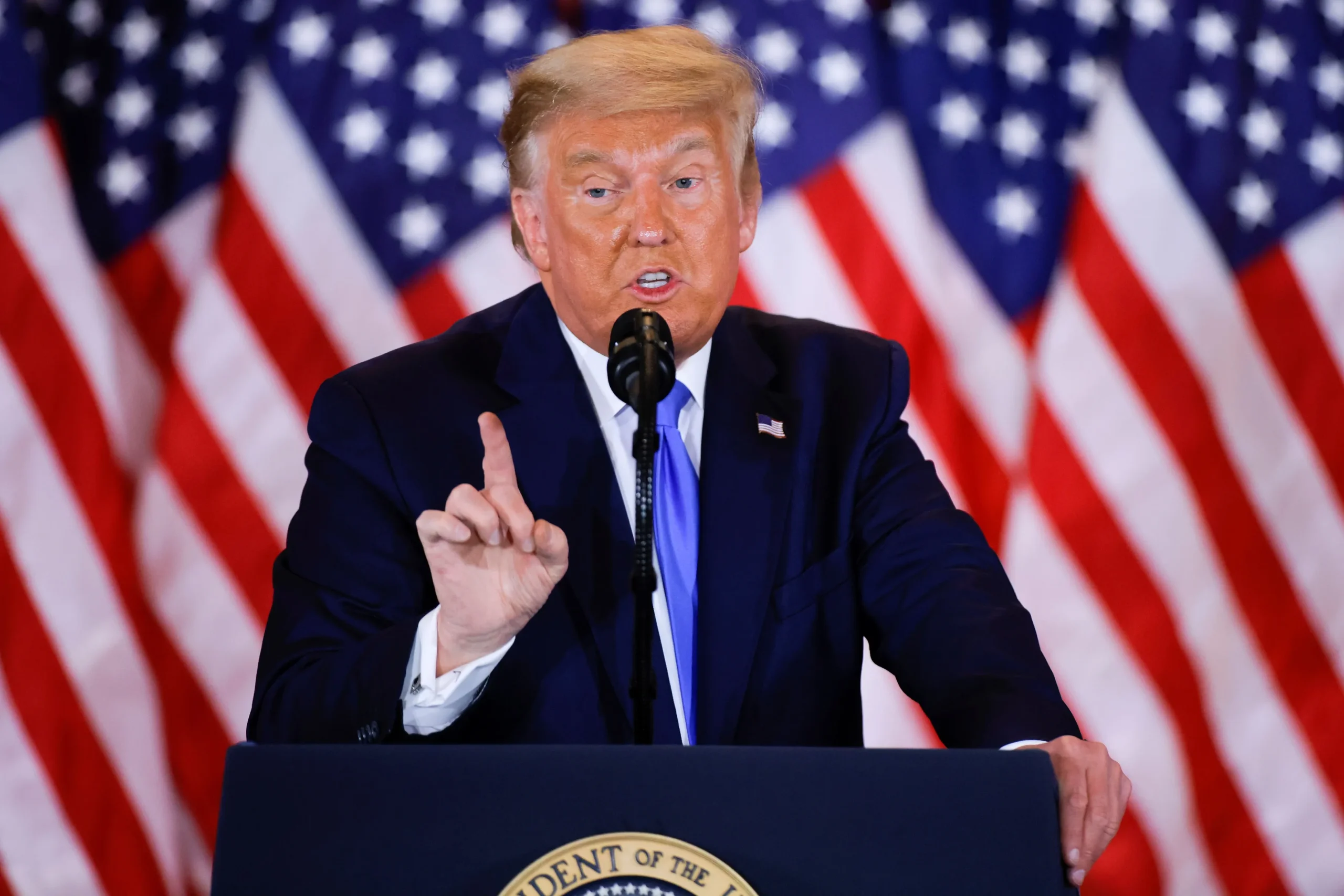
Comments by Donald Trump regarding the role of NATO have triggered fresh debate among defence experts and political observers.


Trump recently suggested that failure to secure the Strait of Hormuz would be “very bad for the future of Nato,” a statement that has drawn scrutiny over his interpretation of the alliance’s core purpose.
The remarks have been widely discussed, with some analysts arguing that they reflect a broader shift in how the former president views the responsibilities of Nato members. Others say the comments risk blurring the line between collective defence and individual military action.
Responding to the statement, Nick Carter offered a more traditional view of the alliance. Speaking to the BBC, he emphasized that Nato was established as a defensive pact, designed to protect member states rather than support unilateral military campaigns.
According to Carter, the foundation of Nato rests on mutual defence, where an attack on one member is considered an attack on all. He cautioned against any interpretation that would require allies to support operations that fall outside this principle.
He noted that the alliance was not created to compel its members to follow one country into a conflict of choice. Such an approach, he suggested, could undermine the trust and shared understanding that have long defined Nato’s structure.
The Strait of Hormuz remains one of the world’s most strategically important waterways, with a significant portion of global oil supplies passing through it. Any instability in the area often raises international concern due to its potential impact on global energy markets and security.
Trump’s comments have therefore added a geopolitical dimension to the debate, linking regional security concerns in the Middle East with the broader role of Nato. Critics argue that this connection may stretch the alliance beyond its original mandate, while supporters say evolving threats may require a more flexible approach.
The discussion highlights ongoing questions about Nato’s future direction, especially at a time when global security challenges are becoming more complex. From cyber threats to regional conflicts, member states continue to navigate how best to respond while maintaining unity.
Observers note that differing views among political leaders and military officials are not new, but they underscore the importance of clarity in defining the alliance’s mission. As Nato adapts to modern challenges, debates such as this are likely to continue shaping its role on the global stage.
For now, Trump’s remarks have reignited conversations about whether the alliance should remain strictly defensive or expand its scope in response to emerging global threats.