
By Forum staff writer
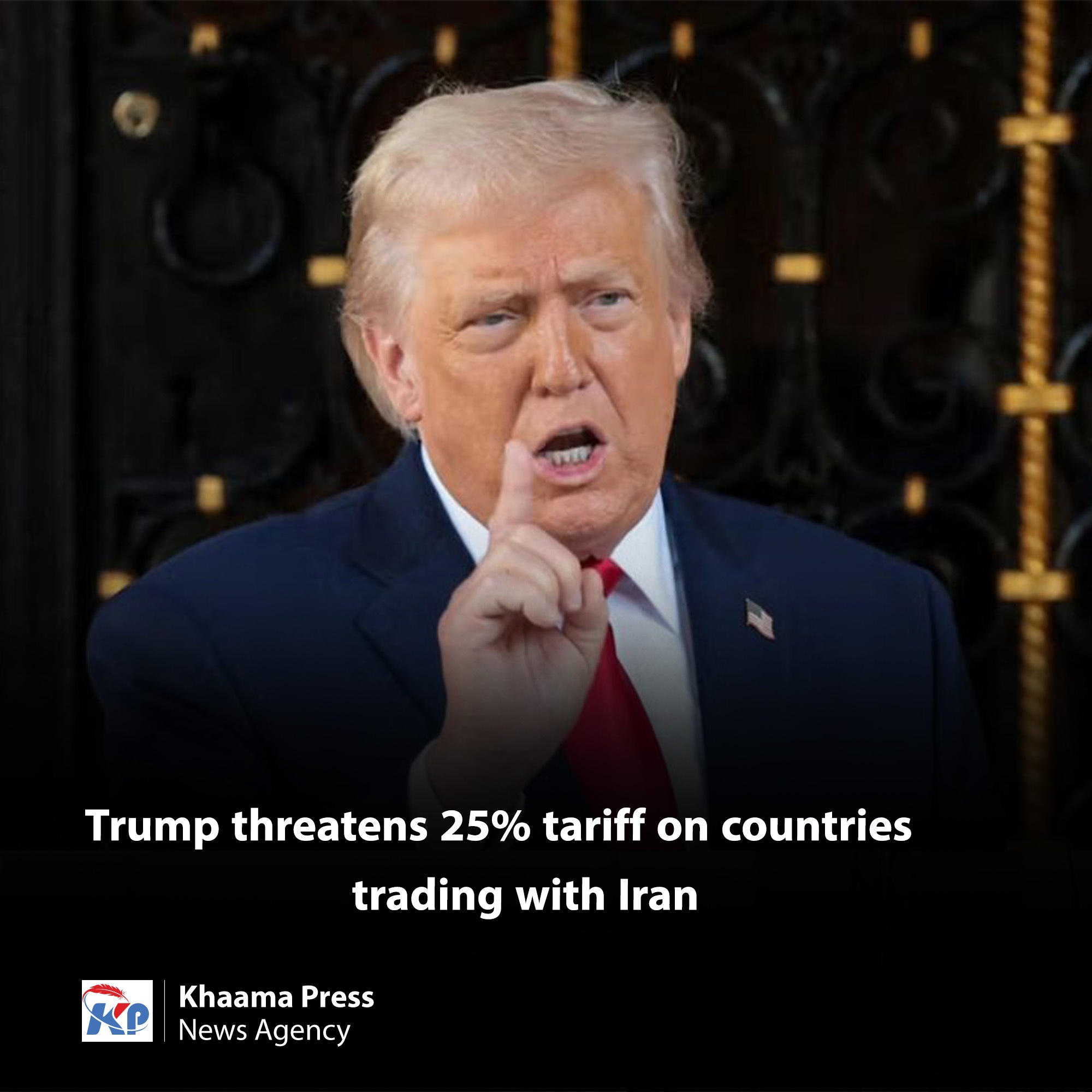
United States President Donald Trump has announced that countries continuing to do business with Iran will face a 25 percent tariff on trade with the United States, a move linked to Washington’s response to a deadly crackdown on anti-government protests in the Middle Eastern nation.
The announcement marks a significant escalation in US pressure on Tehran, though the White House has so far provided few details on how the proposed tariff would be implemented or which countries would be most affected. Economic analysts say the lack of clarity has already created uncertainty in global markets, particularly among nations with strong trade ties to Iran.


Trump’s statement follows reports of a violent response by Iranian authorities to recent protests, which erupted over political and economic grievances. Human rights groups have accused the Iranian government of using excessive force against demonstrators, leading to multiple deaths and arrests.
China, Iran’s largest trading partner, reacted swiftly to the announcement. Beijing said it would take all necessary measures to safeguard its legitimate rights and interests, signaling potential resistance to any US move that could disrupt its trade relations with Tehran. Chinese officials emphasized that unilateral sanctions and tariffs do not contribute to stability and warned against actions that could further strain the global economy.
The proposed tariff could have wide reaching implications. Several countries in Asia, Europe, and the Middle East maintain economic ties with Iran, particularly in energy, manufacturing, and infrastructure. Analysts warn that penalizing these nations could trigger retaliatory measures and deepen existing trade tensions involving the United States.
Meanwhile, attention is also turning to the security dimension of the crisis. According to officials speaking to the BBC’s US partner CBS, President Trump has already been briefed on a range of military and covert tools that could be used against Iran. The president’s national security team is expected to meet later to discuss possible intervention options, raising concerns about a potential escalation beyond economic pressure.
While no decision has been announced, the prospect of military involvement has heightened anxiety in diplomatic circles. Critics argue that combining economic threats with military planning risks pushing the situation toward confrontation rather than dialogue.
Supporters of the president’s stance say the measures are necessary to hold Iran accountable for human rights abuses and to deter further violence against protesters. They argue that strong economic pressure could force Tehran to change its behavior without direct conflict.
As events continue to unfold, global leaders are closely watching Washington’s next steps. The coming days are expected to reveal whether the tariff threat will translate into concrete policy or serve as leverage in broader diplomatic efforts to address the crisis in Iran.
Source BBC