

By Forum staff writer
The World Health Organization WHO Country Representative in Sierra Leone, Dr George Ameh, has called on the Government of Sierra Leone and its partners to move beyond discussions and take decisive action to reform the country’s health financing system.


Dr Ameh made the call while speaking at a high level stakeholders’ workshop on the development of a new National Health Financing Strategy. He described the initiative as timely and historic, while commending the Ministry of Health for leading what he referred to as a nationally owned and inclusive process.
He praised the Ministry’s Department of Planning, the Directorate of Planning, and the Directorate of Policy Planning and Information for taking strong ownership of the strategy’s development. According to Dr Ameh, national leadership is essential to ensuring the success and sustainability of health financing reforms.
“As emphasized by colleagues from Foreign, Commonwealth and Development Office, this initiative must be nationally led,” he said. “The presence of government experts, development partners, non-governmental organizations, and international institutions here today reflects strong leadership and commitment.”
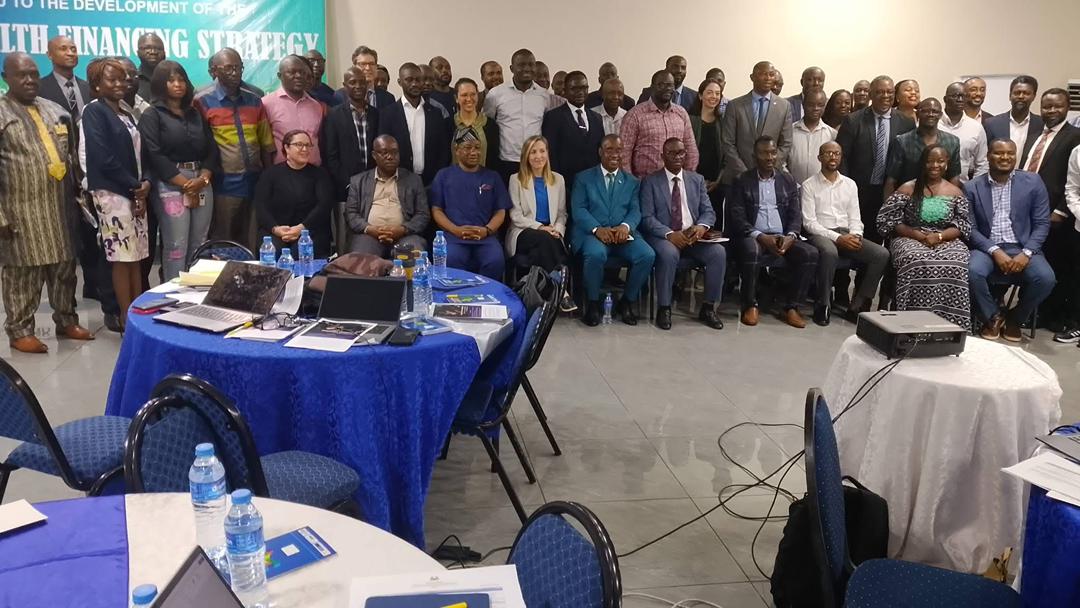
The workshop brought together a broad range of stakeholders, including representatives from the World Bank, the Global Financing Facility, World Health Organization headquarters, development partners, national and international NGOs, and a Member of Parliament. Dr Ameh described the participation of lawmakers as particularly encouraging, noting the importance of legislative support in driving reform.
A central theme of Dr Ameh’s address was the urgent need to reduce high out of pocket health expenditures. He identified these costs as one of the most significant barriers preventing equitable access to healthcare services in Sierra Leone.
“Excessive healthcare costs continue to deny many Sierra Leoneans access to essential services,” he said. “Reducing direct payments by households must be a core priority if we are to protect the most vulnerable and promote fairness in healthcare access.”
He stressed that lowering out of pocket spending would not only improve equity but also shield families from financial hardship and poverty linked to health emergencies.
Dr Ameh linked the reform agenda to global efforts to achieve the Sustainable Development Goals by 2030, warning that time is running out. With less than four years remaining, he said Sierra Leone has an opportunity to demonstrate meaningful progress in financial protection and universal health coverage.
Reflecting on technical consultations held in January under the leadership of the Vice President, with support from WHO and World Bank experts, Dr Ameh noted that a clear message had emerged: discussions must now give way to action.
“There have been many conversations,” he said. “This is the moment for implementation, rollout, and scale up.”
He called on participants to produce practical, context specific recommendations that can be implemented without delay, building on proposals already developed by national and international experts.
Dr Ameh also commended the high level political commitment backing the reform process, describing the direct involvement of the President and Vice President as exceptional and encouraging.
He concluded by reaffirming WHO’s readiness to support the Government of Sierra Leone in building a health financing system that ensures equity, sustainability, and financial protection for all citizens.