

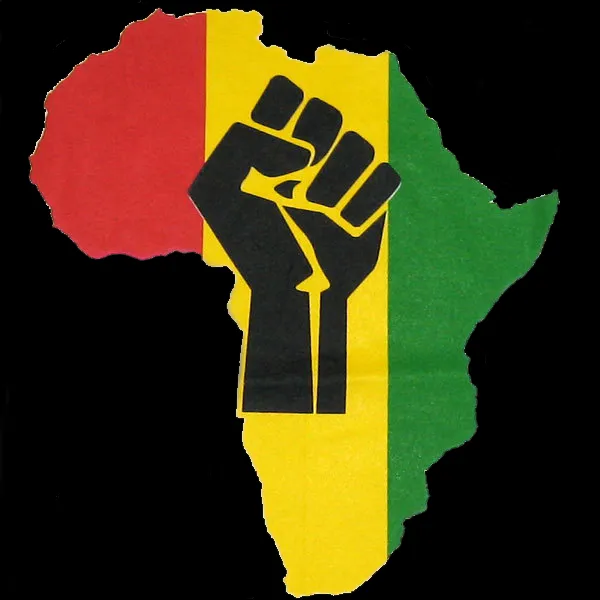
In the heart of Africa, in the towns and villages that span its vast landscapes, the spirit of Pan-Africanism once burned bright—a beacon of unity, resilience, and pride. Today, though, Africa seems to be struggling to find leaders who carry forward that vision of African solidarity and strength, who speak not just for their own nations but for the continent as a whole. There is a palpable sense of loss across Africa; many feel that the ideals and fervor of true Pan-Africanism have dimmed, and the legacy left by the continent’s founding visionaries seems further from reality than ever before.
In the 20th century, Pan-Africanism was not simply a political stance but a way of life, a revolutionary call for freedom, justice, and unity. Leaders like Kwame Nkrumah, Julius Nyerere, Patrice Lumumba, Thomas Sankara, and Haile Selassie embodied these values, carrying the torch of Pan-Africanism with a fervor that inspired millions. They were not just national leaders; they were visionaries who believed in the power of a unified Africa, free from colonial rule, exploitation, and division.
These leaders laid down foundations of unity and solidarity, encouraging Africans to see themselves not as divided by borders but united by shared heritage, struggle, and aspirations. Nkrumah’s words still resonate: “Africa must unite.” It was a cry for a future where Africans controlled their own resources, ruled themselves, and forged a destiny free from outside influence. For him, and for other Pan-Africanist leaders, independence was just the beginning. True freedom meant economic independence, cultural pride, and a deep commitment to continental solidarity.


Today, it is hard to find leaders who carry on that mantle with the same conviction. The modern political landscape has shifted; the challenges have evolved, and the unity once preached has been fragmented. While the dreams of unity remain in the hearts of many Africans, the leaders who speak for that vision are few and far between. Economic pressures, foreign interests, internal divisions, and a world where influence is often tied to economic power have left Africa struggling to find its voice in a globalized world.
In place of the genuine, outspoken Pan-Africanists, many leaders today seem more focused on national interests or beholden to foreign influence. The continent’s abundant resources—oil, minerals, timber, and more—are still exploited, often to the benefit of multinational corporations rather than African communities. While infrastructure, technology, and urbanization have improved in many areas, these advancements often come with strings attached, in the form of crippling debt or deals that do little to empower local populations.
The leaders of today often face competing interests: the pressure to attract foreign investment, the allure of economic partnerships, and the demands of complex domestic issues. Yet, in this web of global influence, Africa’s true Pan-African spirit has been eclipsed, leaving many questioning who, if anyone, will revive the vision of unity, self-reliance, and collective progress that defined the continent’s early independence era.
The 21st century presents a host of challenges that complicate Africa’s path to self-sufficiency. Economic globalization has meant that Africa is deeply connected to, and often dependent on, external markets and partners. This dependency weakens the continent’s bargaining power, often leaving its leaders with limited room to advocate for truly independent policies. It also makes Africa vulnerable to external shocks, as seen in the economic impact of global crises like the COVID-19 pandemic.
Moreover, the influence of powerful countries seeking to control Africa’s resources has only grown. The influx of investments, loans, and aid from countries outside Africa frequently comes with hidden costs—conditions that may benefit foreign powers more than African citizens. Consequently, many African leaders find themselves in a bind, caught between the need for development and the constraints imposed by their partnerships.
While some leaders have sought to navigate these challenges with a degree of autonomy, there is a noticeable absence of a collective vision. The African Union (AU), intended to be a platform for unity and shared action, often lacks the power to enforce policies that could help the continent overcome economic and political dependence. The AU’s potential as a Pan-Africanist institution remains unrealized, hampered by bureaucratic hurdles, political divisions, and the varied interests of its member states.
Despite these obstacles, the spirit of Pan-Africanism is not entirely lost. Among the younger generation, there is a yearning for the values and vision of Africa’s founding fathers. Young Africans today are increasingly aware of their continent’s potential and are actively advocating for change. Social media, digital platforms, and transcontinental networks have given rise to a generation that is globally aware, socially engaged, and eager to see Africa take its place as a strong, independent player on the world stage.
Activists, entrepreneurs, artists, and intellectuals across the continent are pushing for a revival of Pan-Africanism, albeit in new forms. They recognize that the challenges of today may differ from those of the independence era, but the need for unity, solidarity, and pride in African identity remains as relevant as ever. These young voices are calling for an Africa that controls its own resources, sets its own terms, and crafts its own narrative.
However, the movement requires champions within the political sphere. Without leaders who believe in the power of Pan-Africanism, the continent will continue to struggle with the same obstacles—economic dependency, lack of cooperation, and susceptibility to exploitation by foreign powers. Africa’s next wave of Pan-Africanist leaders will need to be resilient, forward-thinking, and deeply committed to the continent’s future.
The call for true Pan-Africanism in the 21st century is not solely the responsibility of politicians. It is a call to all Africans—businesspeople, educators, artists, and civil society alike. The values of Pan-Africanism transcend politics; they are woven into the cultural and social fabric of the continent. To revive this spirit, Africans across sectors must come together to promote self-reliance, to protect Africa’s resources, and to foster pride in the continent’s achievements.
This journey will not be easy. But if Africa can harness the passion of its youth, draw lessons from its past, and stand firm in the face of external pressures, the continent can move toward a future where Pan-African ideals are not relics of history but active forces for progress.
The world has changed dramatically since the days of Nkrumah, Nyerere, and Sankara, but the dreams they envisioned for Africa are still alive. Their voices still echo in the hearts of Africans who believe that a united, prosperous, and independent Africa is not just possible but essential.
Today, Africa may feel like it has lost its truest Pan-Africanists, but the ideals they championed have not been lost. In the hands of the next generation, Pan-Africanism can evolve and adapt, drawing strength from the continent’s rich heritage and boundless potential. Africa does not need to search for Pan-Africanism in the pages of history. Instead, it must look forward, with confidence and unity, to realize the vision of a continent that is truly for its people—a vision that has endured against all odds and remains as vital in the 21st century as it was in the days of its founders.