
By Hassan Osman Kargbo
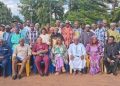
Sierra Leone has hosted a three day national policy conference aimed at strengthening the country’s financial systems and charting a path toward sustainable economic development. The event, organized by the Ministry of Planning and Economic Development, brought together policymakers, business leaders, civil society organizations, media practitioners, and development partners to examine strategies for maximizing national resources and improving revenue generation.


The conference focused on how Sierra Leone can reduce its dependence on foreign assistance, strengthen domestic taxation systems, and improve financial management to support long term development goals. Participants discussed how effective tax administration, responsible resource management, and increased public awareness can contribute to building a stronger and more self-reliant national economy.
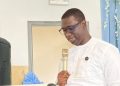
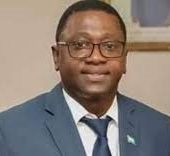
Speaking on behalf of President Julius Maada Bio, Chief Minister David Monina Sengeh underscored the importance of redefining how Sierra Leone views its economic potential. He said the country has long been perceived as a low income nation incapable of financing its own development projects without external help. This perception, he noted, is one that Sierra Leone must now challenge and overcome.
According to the Chief Minister, this shift in mindset is central to the Government’s Mid Term National Development Plan, which aims to transform Sierra Leone into a middle income country by 2039. He urged participants to create conversations that will help citizens at all levels understand how their businesses, taxes, and daily economic activities contribute to national development. “We must help people at the grassroots see that they are part of the bigger picture in building Sierra Leone,” he emphasized.
Sengeh also appealed to the public to take taxation seriously, reminding citizens that taxes are one of the most reliable means for any nation to generate the revenue required to fund development projects. He said a country cannot develop if its citizens do not contribute to the system that sustains it.
Minister of Finance Sheku Ahmed Fantamadi Bangura also addressed the conference, highlighting major gaps in the mining sector that have cost the country substantial revenue. He explained that Sierra Leone has lost millions of dollars through tax leakages, noncompliance, and weak oversight, particularly in mineral extraction. These losses, he said, prompted the government to introduce measures to strengthen tax administration, clamp down on leakages, and ensure greater accountability.
Bangura stressed that Sierra Leone is not a poor nation, pointing to its abundant mineral and natural resources. However, he said the country has appeared poor for decades because foreign companies have extracted these resources and taken the profits abroad, leaving Sierra Leone with minimal benefits. He called for a renewed national commitment to protecting and managing these resources in ways that support financial stability and future development.
The United Nations Resident Coordinator, Seraphine Wakana, encouraged Sierra Leone to continue taking ownership of its development process. She observed that many African countries are already demonstrating how self financing, sound fiscal policies, and effective taxation can reduce aid dependence and strengthen national stability. Sierra Leone, she said, must work toward becoming part of that growing movement.
Wakana stressed that financing development should not be seen as charity but as an act that promotes justice and protects human rights. “Development financing eliminates poverty and drives progress,” she noted. She urged the government to adopt tax systems that reduce leakages, improve transparency, and ensure a smooth flow of public funds to support development plans.
The conference concluded with a shared commitment from stakeholders to continue pushing for financial reforms, strengthen domestic resource mobilization, and support policies that will move Sierra Leone closer to long term economic independence.