

By Jarrah Kawusu-Konte
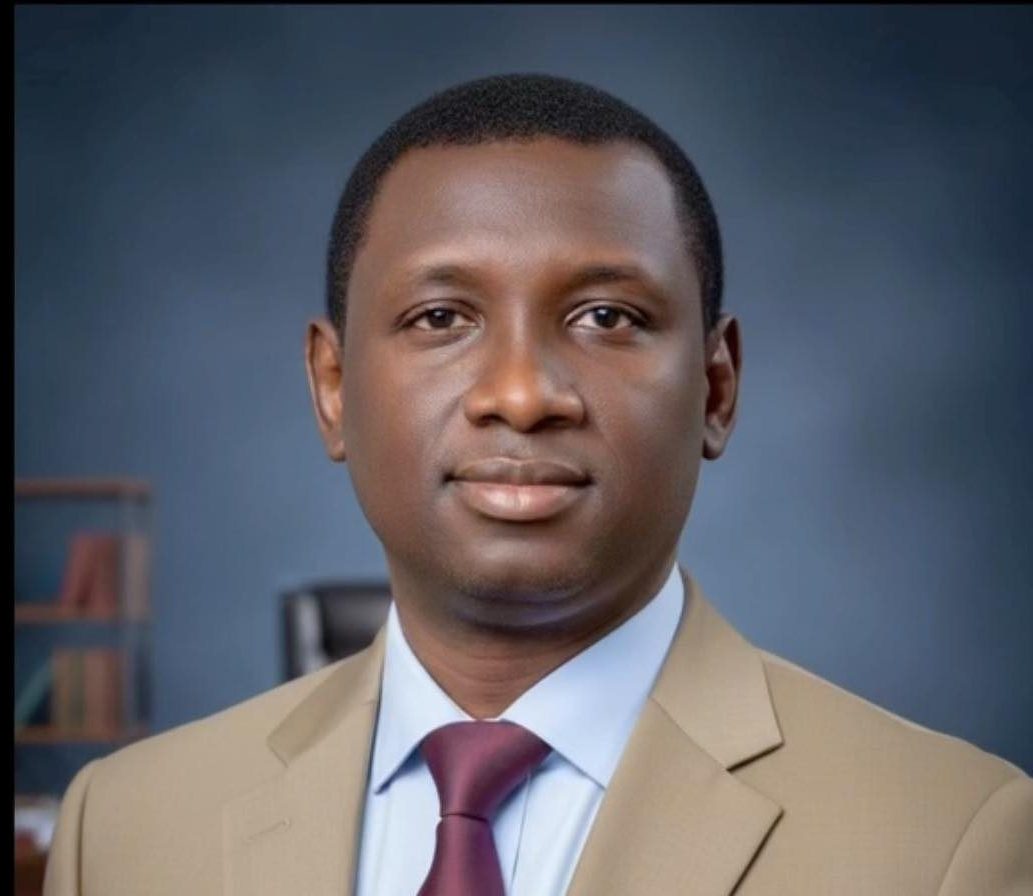
On Saturday, February 21, 2026, as thousands of members of the All People’s Congress turned out across the country for ward elections, Dr. Ibrahim Bangura cast his vote like any other party faithful — quietly, deliberately, and with visible confidence in the road ahead.


The ward polls mark only the first step in a long internal journey that will move from constituency to district, regional contests, and ultimately to the National Delegates Conference, where the party’s presidential flagbearer will be chosen. Yet even at this early stage, Bangura appears to hold what many observers describe as an early structural and psychological edge.
“There was a large turnout of party members, determined and enthusiastic in exercising their civic duties,” he said afterward. “It was heartening to see that our people were ready not only to cast their votes, but very committed to defending them.”
The images from across the country supported his assessment: long queues, animated discussions, grassroots mobilization. For Bangura, the day was less about personal tallying and more about institutional affirmation. This was the first major test of the party’s new Constitution and the organs it established to oversee internal democracy.
“Our new Constitution and the organs it established have faced a real test,” he noted. “They have shown commitment and capacity to function under great pressure.”
There were, undeniably, disruptions in some areas. Complaints surfaced. Some of the polling stations were cancelled. Bangura did not deny it.
“Yes, there were hitches and disagreements in some places. We must not shy away from acknowledging them,” he said. “But these challenges were neither unexpected nor unique to the APC.”
He framed the difficulties within the broader context of legal, logistical, and administrative pressures surrounding the exercise. That the party commenced the process at all, under such scrutiny and constraint, he suggested, was itself a testament to resilience.
What distinguished Bangura’s posture was tone. Rather than amplify tension, he urged restraint.
“Internal competition must never turn into self-destruction,” he cautioned. “In the end, we need one another for the bigger battle ahead.” It is a message consistent with the triad that has come to define his candidacy: Heal. Unite. Build.
In private organizing and public messaging alike, Bangura has emphasized reconciliation within the party as a precondition for national victory in 2028. Allies say he has spent months assembling a formidable nationwide campaign structure — layered across wards, districts, and regions — staffed by experienced, competent, and results-oriented operatives. The architecture is methodical, built not merely for a single vote but for endurance through every tier of the internal electoral ladder.
Yet the machinery is accompanied by something less mechanical: humility.
In his reflections after voting, Bangura thanked party officials, officers, polling staff, volunteers, security personnel, and grassroots members alike. No effort, he suggested, was too small to acknowledge. “The APC is greater than any individual,” he said. “Our unity, discipline, and maturity will shape our success.”
Those words signal both deference and ambition. Though the ward elections are only the beginning, Bangura speaks with the assurance of a candidate who believes he has aligned strategy, structure, temperament, and timing.
“What we all did today was reassuring of our collective effort to strengthen internal democratic governance in our great party,” he said. “That, in itself, is a meaningful achievement.”