
By Forum staff writer
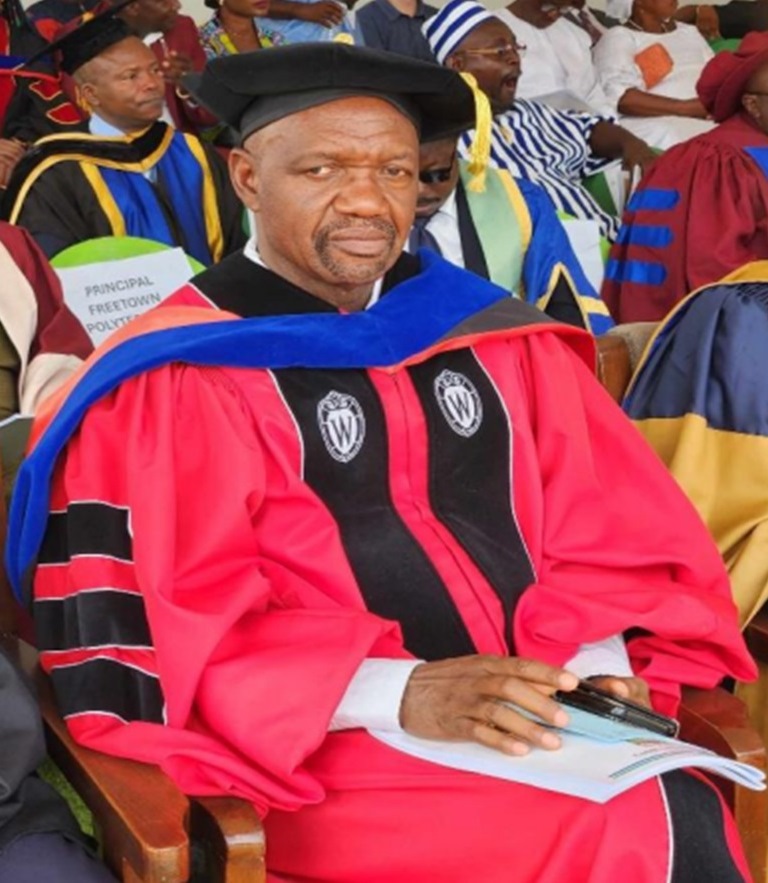
The Vice Chancellor and Principal of the University of Sierra Leone, Professor Aiah Lebbie, has reaffirmed the institution’s commitment to supporting the Freetown City Council’s call for a cleaner city by strengthening sanitation measures across its campuses.


Professor Lebbie said the university is taking practical steps to complement the citywide initiative through improved waste management and environmental cleanliness within and around its premises. He noted that these efforts are already becoming visible, reflecting the university’s determination to create a healthier and more organized learning environment.
As part of the initiative, the university has procured a tricycle to assist with the daily collection of garbage. The tricycle will be used to manage waste both on campus and in surrounding areas, ensuring that refuse is promptly collected and properly disposed of.
According to Professor Lebbie, the introduction of the garbage collection tricycle marks an important step in addressing sanitation challenges and maintaining cleanliness within the university community. He explained that the move is expected to enhance efficiency in waste disposal while reducing the accumulation of garbage in public spaces around the institution.
Highlighting the importance of sanitation, Professor Lebbie stressed that a clean environment is essential for effective teaching and learning. He said students and lecturers require a safe and tidy atmosphere that supports academic activities and promotes wellbeing.
He further emphasized that maintaining cleanliness is not only about keeping the campus visually appealing but also about safeguarding public health and encouraging a sense of responsibility among members of the university community.
“We need a clean environment for both students and lecturers. Everyone in the university community has a role to play in keeping the surroundings neat,” he said.
Professor Lebbie also disclosed that plans are underway to extend similar sanitation measures to all constituent colleges under the University of Sierra Leone. He said discussions are ongoing with deputy vice chancellors to ensure that the initiative is implemented across the board.
He assured that the university leadership is committed to sustaining these efforts and making cleanliness a priority in all campuses. According to him, maintaining a clean and healthy environment is part of the institution’s broader responsibility to the city and the country.
The university’s action has been widely viewed as a positive response to the growing demand for improved environmental sanitation in Freetown. Stakeholders believe that such initiatives by major institutions can significantly contribute to the overall cleanliness of the city.
With the new garbage collection system now in operation, the University of Sierra Leone is expected to strengthen its daily waste management practices and set a strong example for other institutions to follow in promoting environmental responsibility.