
By Albert David
When President Julius Maada Bio traveled to Austria to participate in high‑level discussions on sustainable energy, climate resilience, and green industrialization, many Sierra Leoneans reacted with a mixture of disbelief and frustration. The symbolism of the trip stands in stark contrast to the lived reality of citizens back home, where electricity remains scarce, energy infrastructure is fragile, and climate‑resilient development is still largely aspirational.


The capital city, Freetown, continues to experience chronic blackouts, with some communities receiving only a few hours of generator‑powered electricity per week. Rural areas fare even worse. The country still relies heavily on charcoal, firewood, and diesel generators, energy sources that undermine environmental sustainability and contribute to long‑term ecological degradation. Against this backdrop, the president’s participation in global climate and energy forums has raised questions about priorities, governance, and the responsible use of public resources.
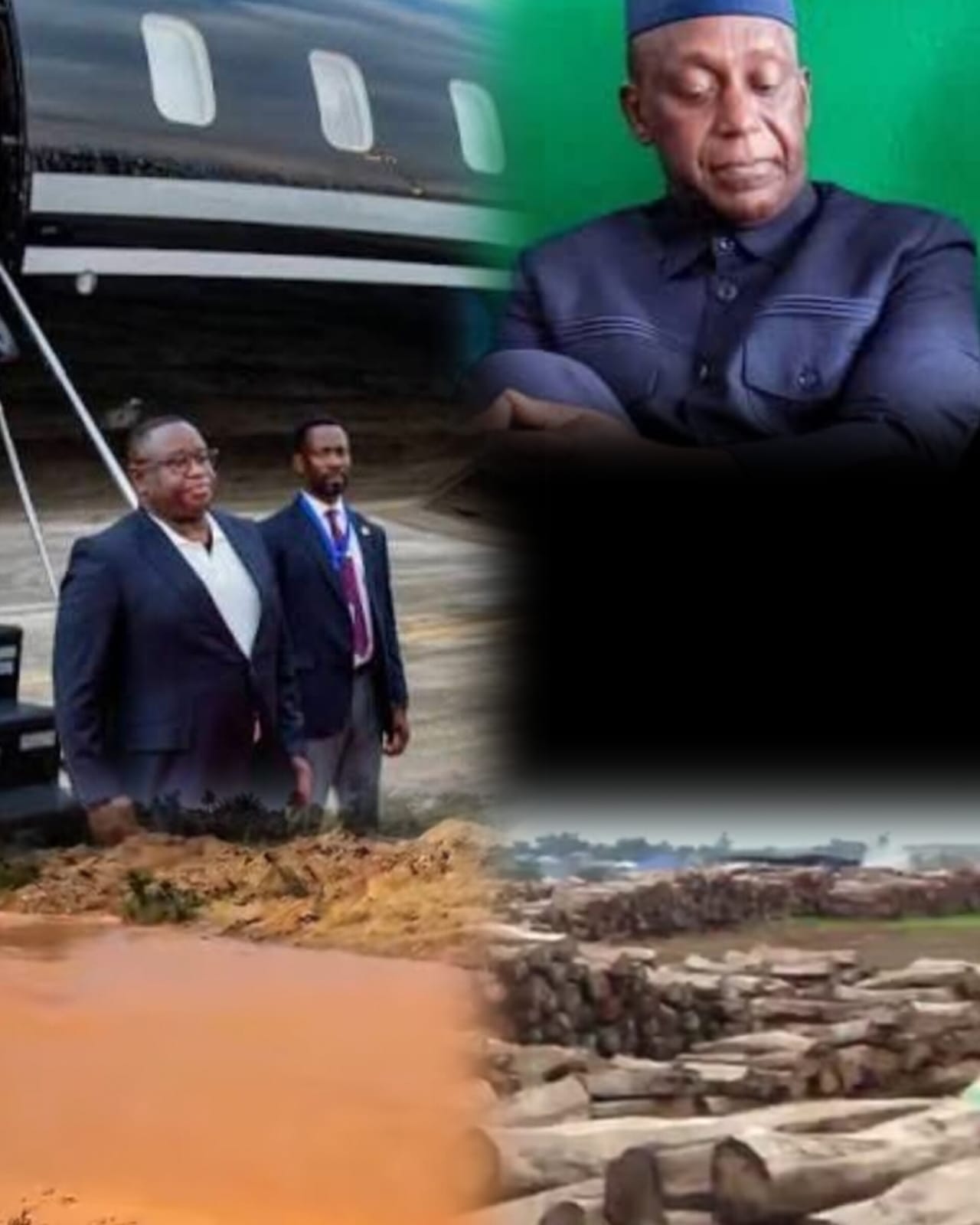
One of the most persistent criticisms from civil society voices and political actors and commentators centers on the cost of frequent and unnecessary international travel. Chartered private jets and large presidential entourages have fueled public debate about whether such expenditures are justified at a time when the country faces severe economic pressures, rising inflation, and widespread unemployment.
These trips create the appearance of a government more focused on international visibility than on domestic problem‑solving. They point to the lack of tangible progress on energy reform, infrastructure development, and climate adaptation as evidence that global engagements have not translated into meaningful local action.
Why the government has not more effectively leveraged the expertise of its appointed energy envoy, Dr. Kandeh Yumkella, an internationally recognized authority on sustainable energy systems. Empowering such experts could reduce unnecessary travel, strengthen policy coherence, and ensure that Sierra Leone’s energy strategy is grounded in technical competence rather than political symbolism.
The broader concern expressed by many Sierra Leoneans is not simply about energy policy, it is about governance culture. Citizens and watchdog groups have raised alarms about what they describe as patterns of wastefulness, opacity, and misaligned priorities. These concerns include limited progress on climate‑resilient infrastructure, persistent dependence on outdated energy sources, slow implementation of national energy strategies, and a widening gap between political messaging and on‑the‑ground realities.
For millions of SierraLeoneans, the contradiction is stark, a government advocating for global climate leadership while struggling to provide basic energy services at home. This disconnect, undermines public confidence and raises questions about the sincerity of the administration’s commitments to sustainable development, economic reform, and responsible governance. Energy is not merely a technical issue, it is the backbone of economic growth, industrialization, education, healthcare, and national security. Without reliable electricity, businesses cannot thrive, hospitals cannot function effectively, and students cannot learn in safe, well‑lit environments.
Unless Sierra Leone adopts a more pragmatic, transparent, and results‑driven approach to energy policy, the country risks relentlessly falling further behind its regional peers. Meaningful progress requires clear national priorities, reduced wasteful spending, empowerment of qualified experts, accountability in public office, and a shift from political rhetoric to measurable action.
The debate sparked by the president’s Austria trip reflects a deeper national conversation about leadership, accountability, and the direction of the country. Many Sierra Leoneans are demanding a governance model that is grounded in ethical stewardship, civic responsibility, and respect for public resources. They want leaders who demonstrate, not merely declare commitment to sustainable development. They want policies that translate into improved living conditions, not international speeches. And above all, they want a government that prioritizes the needs of its people over political optics.
Whether this moment becomes a turning point depends on how the administration responds to these concerns and whether it can align its global ambitions with the urgent realities facing Sierra Leoneans at home.