

By Forum staff writer
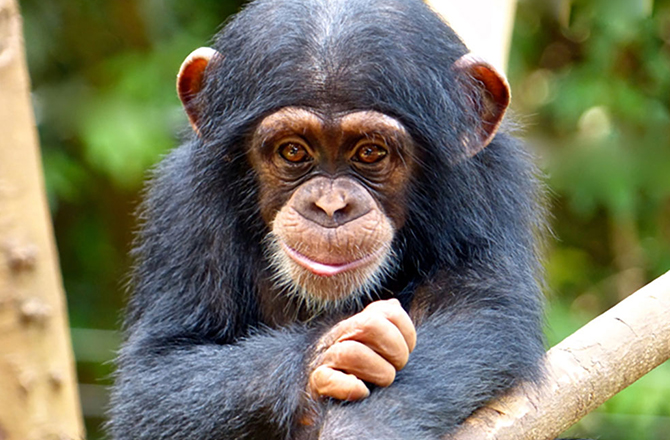
The killing of a female chimpanzee in Mile 91 has triggered concern from the National Protected Area Authority as tensions between communities and wildlife continue to rise.
According to police reports, the incident occurred late Sunday night when the chimpanzee wandered into the community. Residents, reportedly fearing for their safety, viewed the animal as a threat. Despite efforts by police officers to calm the situation and manage the crowd, the chimpanzee was killed before authorities could bring the situation under control.


In the aftermath of the incident, authorities moved quickly to address rumors circulating on social media that a child had been killed during the encounter. Police have firmly dismissed those claims, confirming that no human casualties were recorded.
The Executive Director of the National Protected Area Authority, Sheikh Ahmed Tunis, visited the Mile 91 Police Division to assess the situation and engage local authorities. During his visit, he stressed that such incidents are becoming more frequent due to the increasing encroachment of human settlements into wildlife habitats.
He explained that as natural habitats continue to shrink, animals such as chimpanzees are forced to move into nearby communities in search of food and shelter. This growing overlap between human and wildlife spaces, he noted, is creating dangerous situations for both sides.
Sheikh Ahmed Tunis also reminded the public that chimpanzees are Sierra Leone’s national animal and are protected under the country’s conservation laws. He emphasized the need for citizens to be more informed about how to respond to wildlife encounters and urged communities to avoid taking matters into their own hands.
He called for stronger collaboration between local communities, law enforcement, and conservation authorities to ensure that such situations are handled in a more professional and controlled manner. According to him, early reporting and swift intervention by the relevant agencies can help prevent unnecessary loss of wildlife and reduce risks to human life.
The remains of the chimpanzee have since been handed over to local authorities as part of ongoing documentation and assessment.
The incident has reignited calls for improved conservation strategies and public awareness campaigns. Environmental advocates argue that more needs to be done to educate communities about wildlife protection and to develop practical solutions that reduce conflict.
There are also growing appeals for the government and its partners to strengthen policies that protect natural habitats while supporting communities that live close to forested areas.
As Sierra Leone continues to balance development with environmental protection, incidents like the one in Mile 91 highlight the urgent need for sustainable solutions. Without proper measures, experts warn that clashes between humans and wildlife could become more frequent, posing serious threats to both biodiversity and community safety.