
By Albert David
In every constitutional democracy, the legitimacy of the state rests not on the power it wields, but on the freedoms it protects. Sierra Leone’s Constitution is unambiguous: political association, dissent, and free expression are not privileges granted by government, they are inherent rights that government must safeguard without condition.


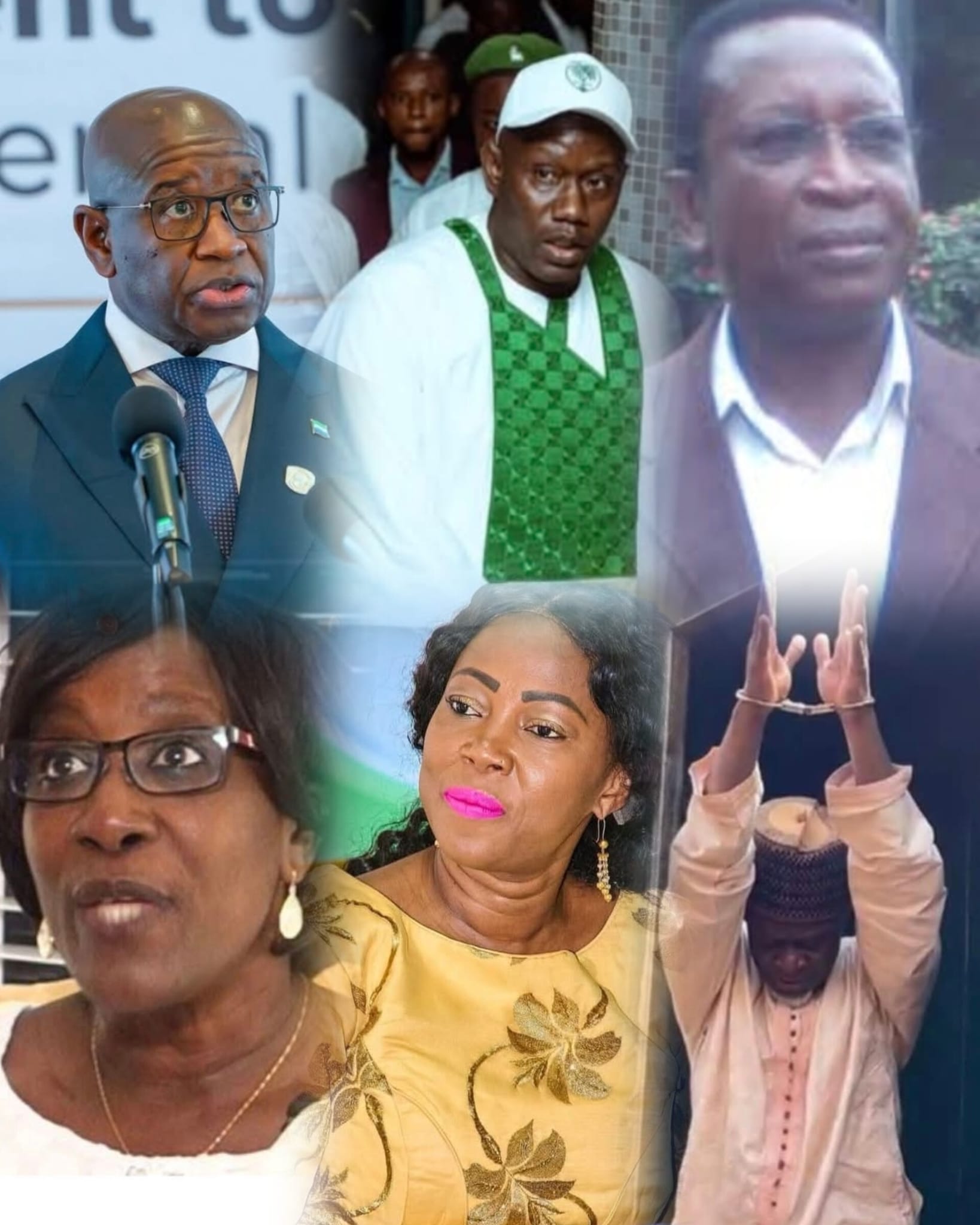
Yet the country has witnessed a relentless political pattern of arrests, intimidation, harassment, and politically‑charged prosecutions that has triggered profound civic, ethical, and constitutional alarm. When opposition members, civil society actors, journalists, and ordinary citizens face punitive consequences for expressing dissenting views, the nation enters a dangerous and destabilising trajectory, one that corrodes public trust, undermines democratic legitimacy, and fractures the social fabric.
Sierra Leone’s Constitution guarantees citizens freedom of expression, freedom of political, religious and social association, freedom of assembly, protection from arbitrary arrest and detention, and equal political participation without fear or favour. These rights are not conditional on political affiliation, region, tribe, or ideology. They are universal, and any attempt, direct or indirect, to suppress them is legally, ethically, and democratically indefensible.
Politically‑motivated arrests, prolonged detentions, and intimidation of opposition figures, members of opposition parties, activists, and journalists have created a climate of fear that is incompatible with democratic governance. When individuals are arrested and locked up in prison for criticising government actions, for participating in political activities, for expressing dissenting views, and advocating for electoral accountability, it signals a shift from democratic leadership to political control through coercion. Such a pattern is not merely troubling, it is devastating for national cohesion. It sends a message that political loyalty, not citizenship, determines one’s safety.
Statements attributed to top political and public figures, whether from President Julius Maada Bio threatening people of Bonth District with death if they support APC in the district, to First Lady Fatima Maada Bio urging the people of Kailahun District that a rival political party particularly be denied party office in Kailahun district, further declaring that supporters and members other political opponents are not “true Sierra Leoneans,” added declaring “Mob Justice ” against the people of Sierra Leone, Prince Harding former SLPP Chairman suggesting that they will never transfer power to the APC, and current SLPP Chairman Jimmy Batilo Songa calling for the non existence of the APC, a threat reiterated by the deputy information minister. Promoting hostility toward dissenting voices are not only reckless, they are constitutionally corrosive. These statements represent a dangerous departure from democratic norms. Such rhetoric is reckless, inflammatory, socially destabilising, and constitutionally corrosive.
In any democracy, leaders, whether in government or opposition, carry a profound responsibility to de-escalate, not inflame. Words from public officials shape public behaviour. When leaders normalise hostility, the public internalises it. When leaders imply that political opponents are enemies, society fractures. Political repression does not silence dissent, it radicalises it. And its does not strengthen the state, it weakens its legitimacy. It does not create stability, it breeds resentment, fear, and resistance.
A nation cannot claim democratic credentials while simultaneously criminalising criticism, weaponising state institutions, restricting political competition, silencing journalists, and Intimidating civil society and general public. Democracy is not measured by elections alone, it is measured by the freedom to contest, criticise, and challenge power without fear. This moment demands introspection from Sierra Leone’s leadership at every level. True leadership is not demonstrated by suppressing opponents, but by protecting their right to oppose. A democratic government must, tolerate criticism, uphold due process, protect political pluralism, ensure the safety of all citizens regardless of party, and strengthen institutions, not weaponise them. Anything less is a betrayal of the Constitution and the sacrifices made by generations who fought for freedom.
To restore confidence in the democratic process, Sierra Leone must recommit to independent justice free from political influence, protection of journalists and civil society, respect for opposition parties as legitimate actors, transparent and accountable governance, and zero tolerance for political violence or intimidation. Sierra Leone cannot progress when its citizens live in fear of expressing their political beliefs. Democracy thrives only when every voice, supportive or dissenting, is protected.
My article is not an attack on any individual or party. It is a civic reminder that the health of Sierra Leone’s democracy depends on the unconditional protection of political freedoms. History shows that nations that suppress dissent eventually face instability. Nations that embrace pluralism, accountability, and open political competition build lasting peace. Sierra Leone stands at a crossroads. The choice is stark. Continue down a path of repression, risking deeper division and democratic decay, or Reaffirm the constitutional promise of freedom, ensuring that every Sierra Leonean, regardless of party, can participate without fear. The future depends on the choice made today.