

By Forum staff writer
The Electricity Distribution and Supply Authority (EDSA) has explained the ongoing power challenges affecting parts of Sierra Leone, particularly Freetown, attributing the situation to limited generation capacity and seasonal low water levels at the Bumbuna Hydro Electric Project.


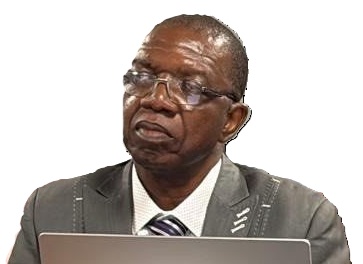
Speaking on AYV’s Wake Up Sierra Leone programme, EDSA Communication Manager Sahr Nepor stated that the country’s available electricity generation capacity currently stands at about 150 megawatts, which he said is insufficient to meet national demand, especially in the capital city.
According to him, the existing deficit has made it necessary for the authority to introduce a load shedding system to ensure a fair distribution of the limited power supply across the country.
“Our available capacity for the entire country is around 150 megawatts, but we are only having power challenges in Freetown,” Nepor said. “The deficit is what has necessitated the implementation of a load shedding scheme to ensure that we supply what we have equitably to every Sierra Leonean.”
He explained that the load shedding arrangement is intended to balance supply in a way that prevents complete blackout in any part of the country, given the constrained generation levels.
Nepor further noted that the situation has been worsened by seasonal environmental conditions, particularly the reduction in water levels that affect hydroelectric power generation at Bumbuna.
“We all know that at this time of the year, we are faced with low water levels. Therefore, we cannot get the required capacity from Bumbuna,” he said.
The Bumbuna Hydro Electric Project is one of Sierra Leone’s main sources of renewable energy, and its output is heavily dependent on rainfall and water availability. During dry periods, generation capacity typically drops, placing additional pressure on thermal and other supplementary power sources.
Nepor emphasized that the current energy shortfall is not unique to Sierra Leone, noting that many countries reliant on hydro power face similar seasonal challenges. However, he acknowledged that the impact is more visible in urban areas such as Freetown, where demand is significantly higher.
He reiterated that EDSA is working within its available capacity to manage distribution and minimize inconvenience to consumers. The authority, he said, remains committed to ensuring that electricity is shared as fairly as possible under the circumstances.
The explanation comes amid growing public concern over frequent power cuts in Freetown, which have affected businesses, households, and essential services. Many residents have expressed frustration over the inconsistency of supply and the impact on daily activities.
Despite the challenges, EDSA maintains that efforts are ongoing to stabilize the power supply through improved management of existing resources and support from generation partners.
Nepor called for public understanding and cooperation, stressing that the current situation is being managed with fairness and transparency as the country navigates seasonal energy constraints.
The authority is expected to continue monitoring the situation while exploring additional measures to improve electricity reliability across Sierra Leone.