
𝐁𝐲 𝐍𝐚𝐨𝐦𝐢 𝐀. 𝐒𝐚𝐦𝐮𝐫𝐚
The prison population in the country has surged to over 7,000 inmates, outnumbering the fewer than 2,000 correctional officers assigned to manage them. This alarming disparity has sparked fear among citizens, especially in light of a recent incident where a prison transport vehicle broke down, leaving a minimal number of officers to secure the inmates.
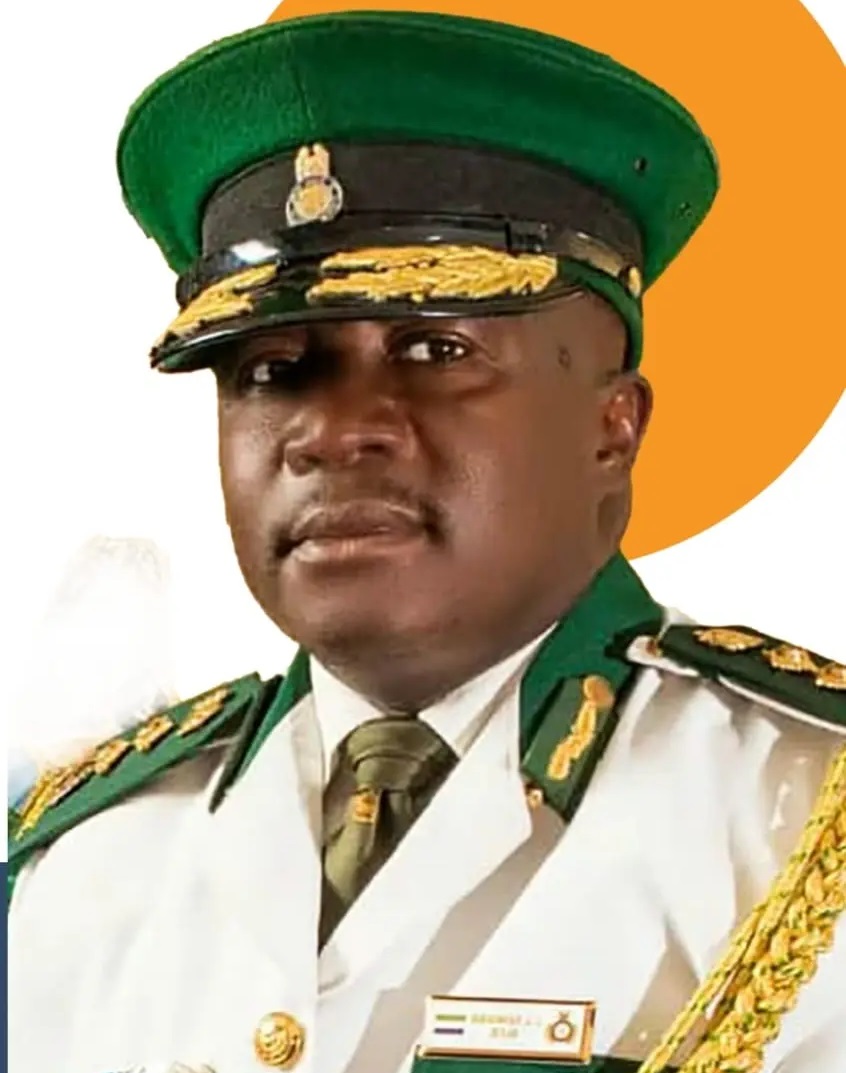
Joseph J. Senessie, the Director General of the Sierra Leone Correctional Service (SLCS), addressed these concerns during the 2027 Financial Year (FY) Bilateral Budget hearing held at the Miatta Conference Hall in Brookfields. He highlighted the severe staff shortage facing the SLCS, emphasizing the challenges that come from the current imbalance between inmates and officers.


Senessie explained that this situation puts immense pressure on the Service, hampering its ability to fulfill its responsibilities effectively. He cited a range of issues, including insufficient accommodation for officers, high staff turnover, poor working conditions, inadequate medical facilities, and a lack of vehicles and other operational resources.
To address this critical situation, he appealed for government support in recruiting an additional 1,500 correctional officers. This recruitment effort is one of the SLCS’s top priorities for FY2027, alongside initiatives for inmate rehabilitation through entrepreneurship training and the construction of new correctional facilities.
The budget documents presented during the hearing revealed that overcrowding continues to be a significant challenge, particularly in the Freetown Male Correctional Centre, as well as in Bo, Makeni, and Kenema Male Correctional Centres. The SLCS also noted that 60 percent of its annual inmate welfare spending is allocated to feeding inmates, indicating the substantial financial burden of maintaining adequate care.
Plans for FY2027 include constructing a maximum-security correctional village and relocating the Freetown Male Correctional Centre from Pademba Road. Senessie stressed the importance of strengthening the workforce to ensure secure and humane conditions for inmates while facilitating their rehabilitation and eventual reintegration into society. He called for government intervention to help maintain standards and ensure the smooth operation of the SLCS.