

By Sulaiman Jalloh
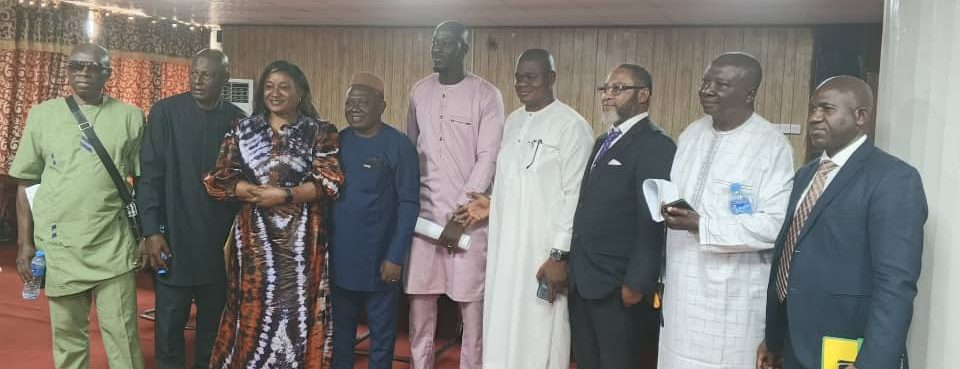
The Parliamentary Committee on Mines and Minerals on Wednesday, April 15, 2026, held a consultative meeting with the Kono Diamond and Gold Dealers Association at Committee Room One of the Parliament Building in Freetown, as part of its oversight mandate under Section 93 of the 1991 Constitution of Sierra Leone.


The engagement brought together lawmakers and key stakeholders in the mining sector to deliberate on operational challenges affecting activities in Kono District, one of the country’s main mining hubs.
Discussions during the meeting centered on concerns raised by members of the association, particularly relating to enforcement practices, regulatory coordination, and access to mining licenses.
Speaking on behalf of the association, its Vice President, Haji Ceesay, highlighted what he described as a growing disconnect between compliance officers of the National Minerals Agency and the Sierra Leone Police. He expressed concern that some police officers carry out arrests linked to mining activities without adequate technical understanding of the sector.
He noted that such actions often create tension within mining communities and disrupt legitimate operations. According to him, effective enforcement requires collaboration between technical experts and law enforcement personnel to ensure that actions taken are informed and fair.
Haji Ceesay also pointed to the limited availability of mining licenses in Kono District as a major challenge for dealers and operators. He said many individuals who are willing to operate within the legal framework face difficulties in accessing the necessary documentation, which in turn affects productivity and compliance.
Honourable PC Paul N Saquee, representing Kono District, raised additional concerns about the continued presence of mining activities in and around townships. He observed that some individuals are operating in areas previously designated as mining sites, which are now closer to residential communities.
He warned that such practices pose risks to public safety and could lead to environmental degradation if not properly regulated. He called for stricter monitoring and enforcement to ensure that mining activities are conducted in appropriate locations.
Chairperson of the Parliamentary Committee on Mines and Minerals, Honourable Emerson Lamina, addressed issues relating to the distribution of mining revenues. He referenced Section 143 of the Mines and Minerals Act, noting that funds allocated for mining district development are intended to benefit not only communities within active mining zones but also surrounding areas.
He emphasized the importance of equitable distribution of resources to promote development and reduce tensions among communities affected by mining activities.
In her closing remarks, Deputy Chairperson Honourable Fatmata Bockarie assured members of the association that their concerns had been duly noted. She reiterated Parliament’s commitment to engaging stakeholders and finding practical solutions to the challenges facing the sector.
She added that the committee would continue to work closely with relevant institutions to strengthen policies and improve coordination among agencies involved in mining governance.
The meeting forms part of Parliament’s broader oversight responsibility to ensure accountability and effective management of the country’s mineral resources. It also reflects ongoing efforts to create a more transparent and sustainable mining sector that supports national development.