

By Hassan Osman Kargbo
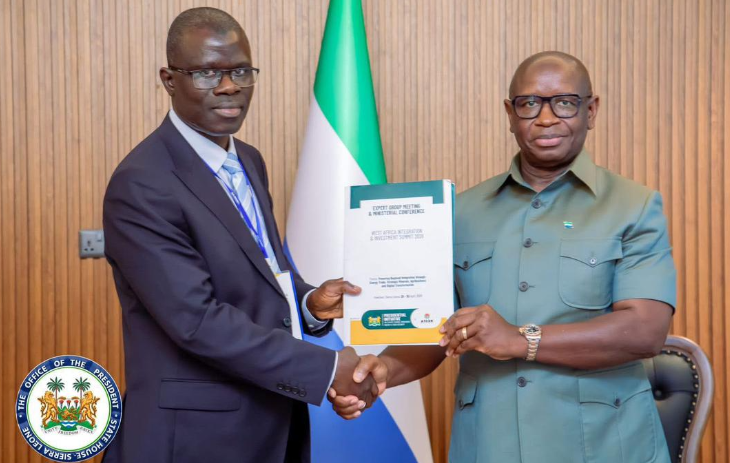
West African leaders and development partners have adopted the Freetown Communique, a key outcome of the West Africa Economic Integration and Investment Summit 2026, outlining a clear roadmap to accelerate regional growth and cooperation.


The communique, signed at the close of the two day summit held at the Bintumani International Conference Centre from April 29 to 30, captures a unified commitment by ECOWAS member states to tackle persistent economic challenges through coordinated action in energy, minerals, agribusiness and digital transformation.
Central to the document is the recognition that energy remains the backbone of regional development. Signatories agreed that improving access to reliable and affordable electricity must be treated as an urgent priority, noting that weak power systems continue to undermine industrialization, digital expansion and investor confidence across the sub region.
The communique also calls for stronger political will to fast track existing regional frameworks, particularly in energy trade. Leaders emphasized the need to fully operationalize cross border electricity systems to ensure that surplus power in one country can be transmitted efficiently to another.
Speaking during the summit, Sierra Leone’s Minister of Planning and Economic Development, Hon. Kenyeh Barlay, said the agreement reflects a shift toward practical solutions. She stressed that exporting raw materials without local value addition has limited the region’s economic potential and must be addressed through deliberate policy reforms.
The Freetown Communique further highlights the importance of local processing of strategic minerals, urging countries to invest in industries that create jobs and retain value within the region rather than relying on raw exports.
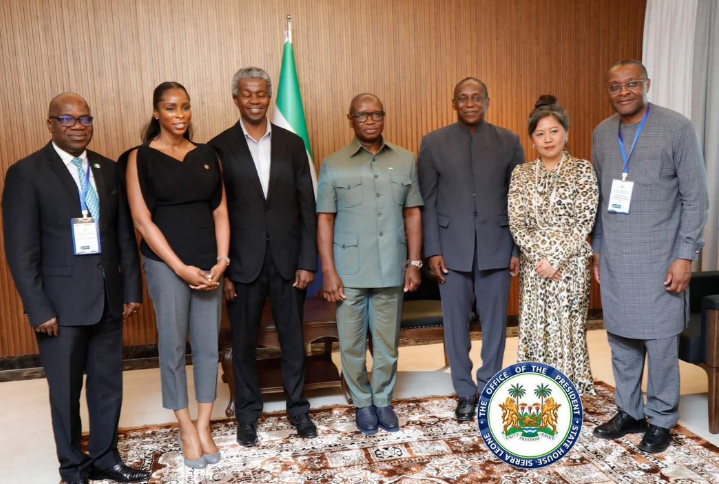
From The Gambia, Minister of Petroleum, Energy and Mines, Hon. Nani Juwara, welcomed the communique but cautioned that its success will depend on implementation. He said regional integration efforts must move beyond declarations to tangible results that improve the lives of citizens.
“This communique gives us direction, but delivery is what matters,” Juwara said. “We must remove barriers to energy trade and invest in the infrastructure that connects our economies.”
Guinea’s Deputy Minister of Energy, Moussa Koulibaly, also underscored the need for accountability, noting that many regional initiatives have struggled due to weak follow through. He called for stronger monitoring systems to ensure commitments are translated into measurable outcomes.
On the digital front, the communique identifies the creation of a unified regional market as a critical step toward unlocking growth. It emphasizes investment in infrastructure, innovation ecosystems and policies that enable businesses to scale across borders.
Minister of Communication, Technology and Innovation, Salima Monorma Bah, said the digital economy presents a major opportunity for West Africa, particularly for young people. However, she noted that without deliberate investment in skills and systems, the region risks falling behind in a rapidly evolving global market.
The communique also acknowledges the role of international partners, including the African Development Bank and the World Bank, in supporting large scale development initiatives. However, it stresses that the effectiveness of such support depends on strong national institutions and efficient execution.
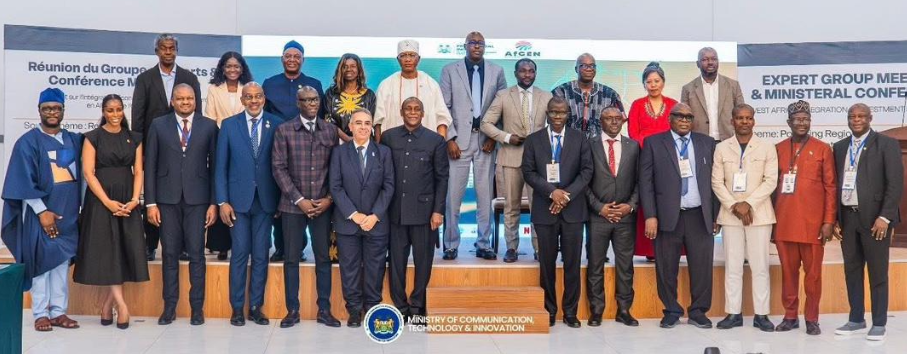 Participants agreed that priorities must include expanding energy access, strengthening governance, promoting industrialization and deepening regional cooperation.
With the adoption of the Freetown Communique, stakeholders say West Africa has taken an important step toward a more integrated and resilient economic future, though much will depend on sustained political commitment and timely implementation.