

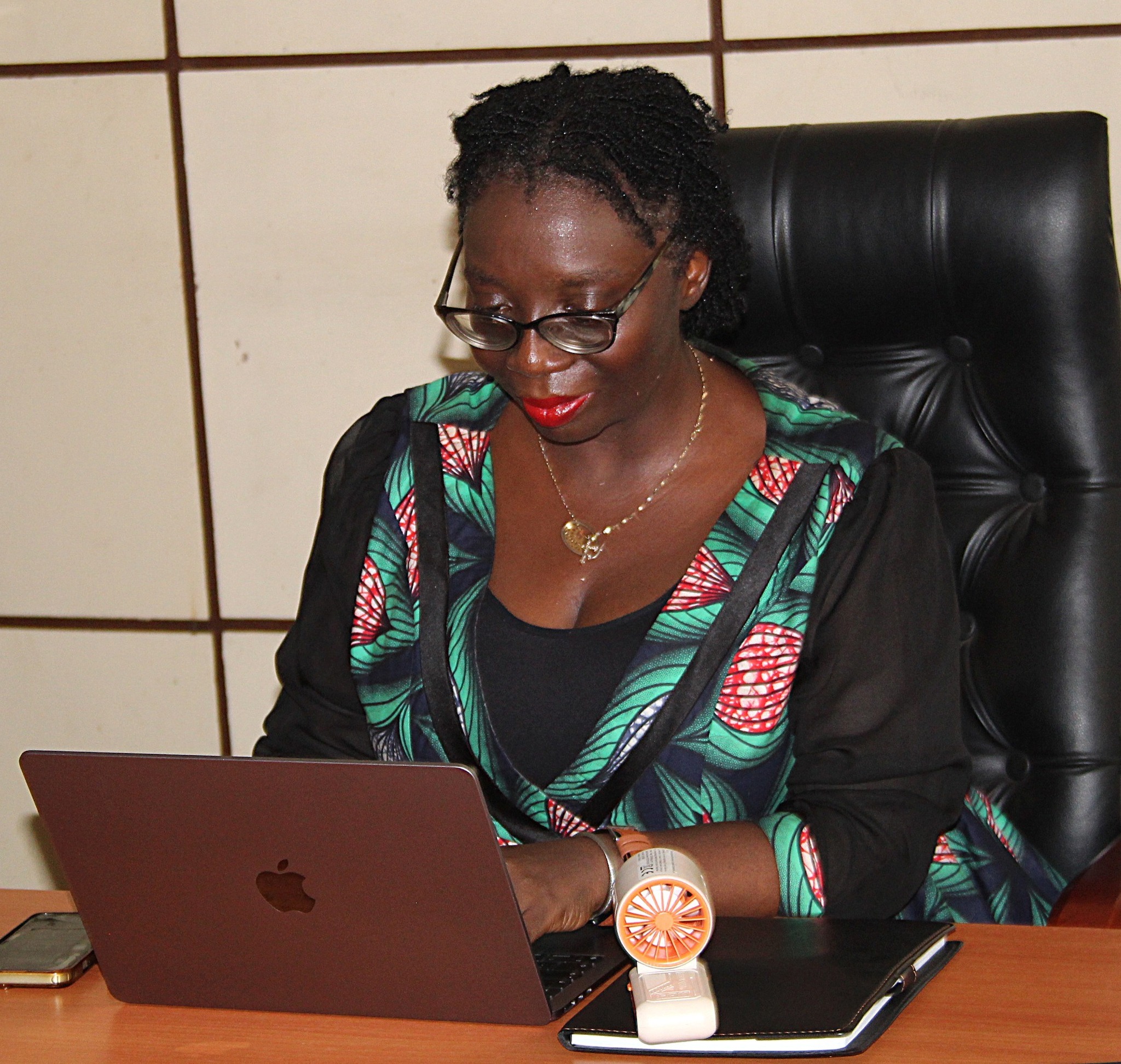
The Ministry of Information and Civic Education met with the Sierra Leone News Agency (SLENA) on May 13, 2026, to strengthen collaboration, introduce key directorates, and propose ways to resolve overlapping duties between government information officers and SLENA correspondents.
Chief Director Alimamy Lahai Kamara opened the meeting by stressing the need for clarity on portfolio responsibilities. He explained the ministry has two branches include administrative (led by the government secretary) and professional (led by the minister). The professional limb emerged from a Management Functional Review, now operating four directorates under a chief director. “We carry no personal agenda, only the minister’s,” he said, adding that the team will support emerging national events.
SLENA Managing Director Madam Lolo Yeama Sarah Thompson-Oguamah congratulated Directors on their new roles. Noting Sierra Leone’s deliberate focus on gender equity, she pointed to women in most senior management positions. “At NYC, we have a single voice,” she said, acknowledging a colleague named Joe for his steady counsel.


Madam Francess Josephine Kafula, Director of Government Information Service, said her unit ensures transparent public communication and counters disinformation. “Our doors are open. Collaborate through my chief,” she urged, aiming to stop turf conflicts between officers and SLENA correspondents.
Head of Strategic Communications Abu Bakarr Joe Sesay said their mandate is to protect both people and government, overseeing photographers, videographers, graphic staff, and all social media platforms (Facebook, WhatsApp, YouTube, X, Instagram). With coordinators in the south and northeast, he welcomed reporters’ help due to travel limits from economic constraints.
Ahmed Fonike Bangura Esq., Director of Policy, Research, and Monitoring & Evaluation, noted a common legal gap between laws and policies. Policies act as soft laws that guide hard laws (acts). Over two years, the ministry delivered four policies: national media, records and accounts, data protection, and national film. His directorate monitors the entire ministry and wider ecosystem for accountability.
Albert Moore, Ag. Director of Records and Archives described the following records from creation to archives. His office now sits under the ministry, with about 200 records officers across the civil service. He suggested how SLENA manages daily documentation and electronic records, noting SLENA production methods could benefit archives.
The Chief Director added that the minister wants the Daily Mail to become an excellent, full-color newspaper with a strong online presence, free printed copies distributed to schools, universities, and the private sector, publishing government activities, humanitarian stories, and guest commentaries, an initiative requiring SLENA essential support.
Madam Thompson-Oguamah welcomed the visit and took a moment to reflect on her path into journalism. She recalled gathering stories from SLENA and the Government Information Service during her early years. “Life brings you back to where you started,” she said. Though agencies have since gone digital, SLENA still runs an active web platform and continues sharing stories with the Daily Mail. She drew a clear distinction between both information outlets: GIS leans toward policy-driven reporting, while SLENA brings a human touch to the news.