
By Forum staff writer
Sierra Leone’s increasing reliance on domestic borrowing is putting pressure on government finances and limiting the space available to fund key sectors, the Budget Advocacy Network (BAN) warned.
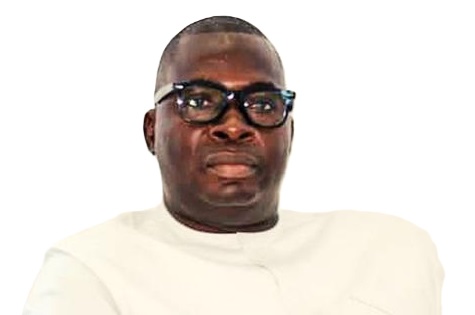
Speaking on AYV’s Wake Up Sierra Leone, National Coordinator of the Budget Advocacy Network, Abubakarr Kamara, said government is currently taking on more domestic debt than international debt.


According to Kamara, the trend is affecting the country’s fiscal position as more government resources are committed to servicing debt instead of financing national priorities.
“Currently, we are taking on more domestic debt than international debt. This is affecting Sierra Leone’s finances because it is squeezing fiscal space and reducing the government’s ability to invest in health, education and other critical areas,” Kamara said.
He said debt service and interest payments have become some of the largest expenditure items in the national budget, creating concerns about the amount of revenue available for development programmes.
Kamara further stated that interest payments alone are close to 40 percent of domestic revenue, citing figures from a report published by the Accountant General.
“Currently, debt service and interest payments are among the biggest expenditure items in Sierra Leone,” he said.
The Budget Advocacy Network’s concerns come amid continued discussions over government revenue mobilisation, public borrowing and the sustainability of Sierra Leone’s finances.
Kamara said increasing domestic revenue collection could help government reduce its budget deficit and create additional fiscal space for essential spending.
He pointed to the National Revenue Authority as an important institution in efforts to improve domestic revenue mobilisation.
According to him, stronger revenue collection would reduce the government’s dependence on borrowing and provide more resources to finance development priorities.
The call comes as government continues to balance spending needs with debt obligations and revenue constraints.
Health and education remain among the sectors that require significant public financing, while government also faces demands to fund infrastructure, social programmes and other national priorities.
Kamara said the growing cost of debt servicing requires greater attention as the country considers its borrowing and revenue strategies.
The Budget Advocacy Network, which advocates for greater transparency and accountability in public finance, has continued to raise concerns about government spending, revenue and debt management.
The latest warning adds to ongoing public debate over how Sierra Leone can strengthen its fiscal position while maintaining funding for essential services.
Kamara’s comments suggest that improving domestic revenue collection, alongside careful management of public borrowing, could play a role in easing pressure on government finances and creating more room for investment in critical sectors.