
By Hassan Osman Kargbo
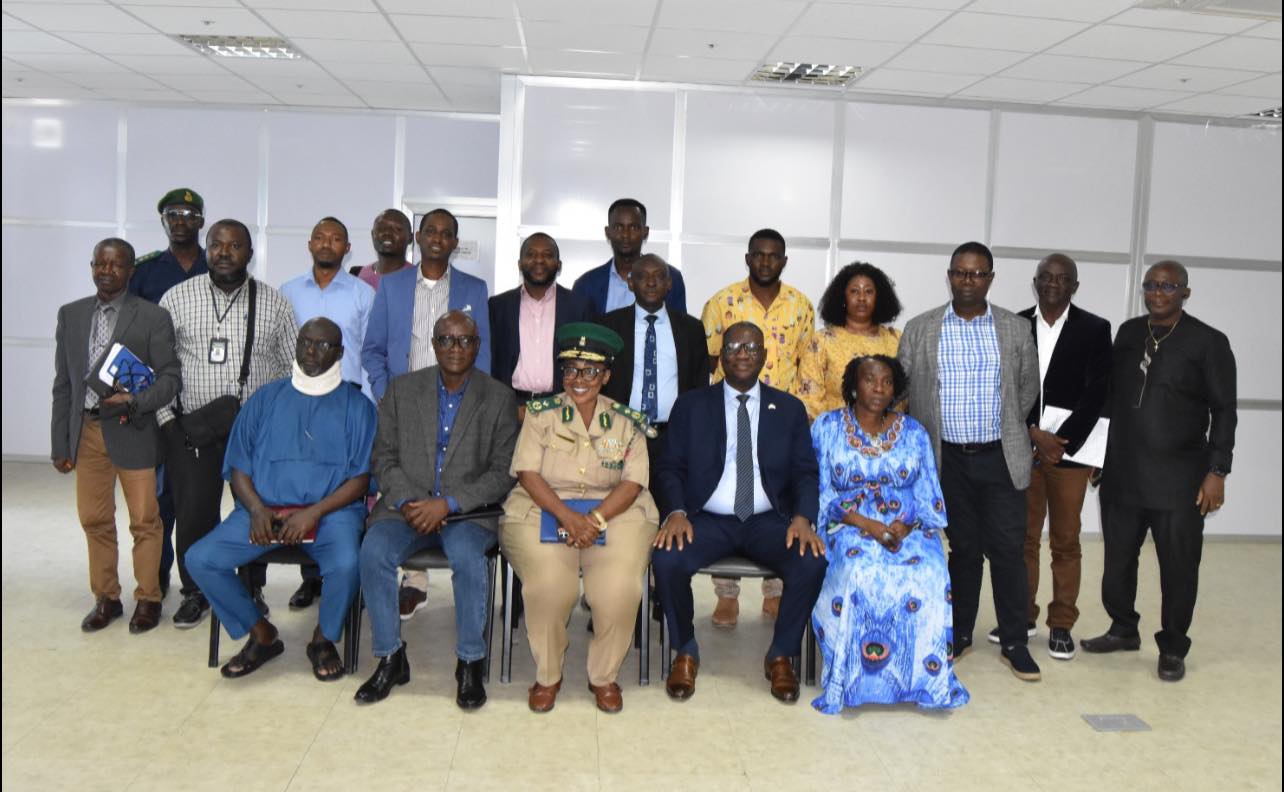
The Audit Service Sierra Leone has convened a high level breakfast meeting with Heads of Ministries, Departments and Agencies to strengthen collaboration and improve the implementation of audit recommendations across government institutions.


The engagement focused on the operational framework of the newly established Follow Up Unit within the Audit Service, outlining expectations for MDAs and identifying practical strategies to address outstanding audit issues.
Speaking at the meeting, Auditor General Abdul Aziz stressed the need for closer cooperation between the Audit Service and public institutions, particularly in ensuring that audit recommendations are effectively implemented. He explained that the Follow Up Unit has been created to systematically track and monitor how audit findings are addressed, noting that it represents a shift toward stronger accountability.
He emphasized that auditing remains an evidence based process grounded in facts rather than speculation. According to him, the institution’s work continues to gain recognition from citizens and development partners, reflecting growing confidence in its independence and professionalism.
The Auditor General also highlighted an important change in the audit approach, explaining that the process now goes beyond reviewing documents submitted by institutions. He said auditors are increasingly conducting site visits to verify the authenticity of reported projects and activities. This method, he noted, has strengthened the credibility of audit outcomes and improved transparency in public financial management.
He added that the enhanced approach has attracted greater trust from development partners, with some now requesting the Audit Service to independently audit projects under their support.
Deputy Auditor General Morie Lansana described the establishment of the Follow Up Unit as a major step in reinforcing accountability systems within government. He noted that the initiative signals a transition from routine reporting to more proactive engagement with MDAs to ensure that audit issues are resolved in a timely manner.
Lansana further revealed that the Auditor General will begin enforcing his legal powers to disallow and surcharge public officials found to have misused public funds. He explained that these powers are backed by provisions in the Audit Service Act 2014 as amended and the Public Financial Management Act 2016, adding that regulations to guide their implementation are already in place.
The interactive session provided an opportunity for Heads of MDAs to seek clarification on audit procedures and strengthen coordination with the Audit Service. Participants raised concerns about challenges affecting the implementation of audit recommendations, particularly in the area of records management, which they identified as a recurring issue.
Despite these challenges, the MDA Heads commended the Audit Service for the initiative, describing both the Follow Up Unit and the engagement as timely and necessary. They acknowledged the importance of improving internal systems to support transparency and accountability.
The participants also pledged to strengthen records management practices, address recurring audit findings and enhance compliance with financial regulations moving forward. The meeting is expected to mark the beginning of closer collaboration between the Audit Service and MDAs as efforts continue to promote effective public financial management in Sierra Leone.