
By M.B. Jalloh
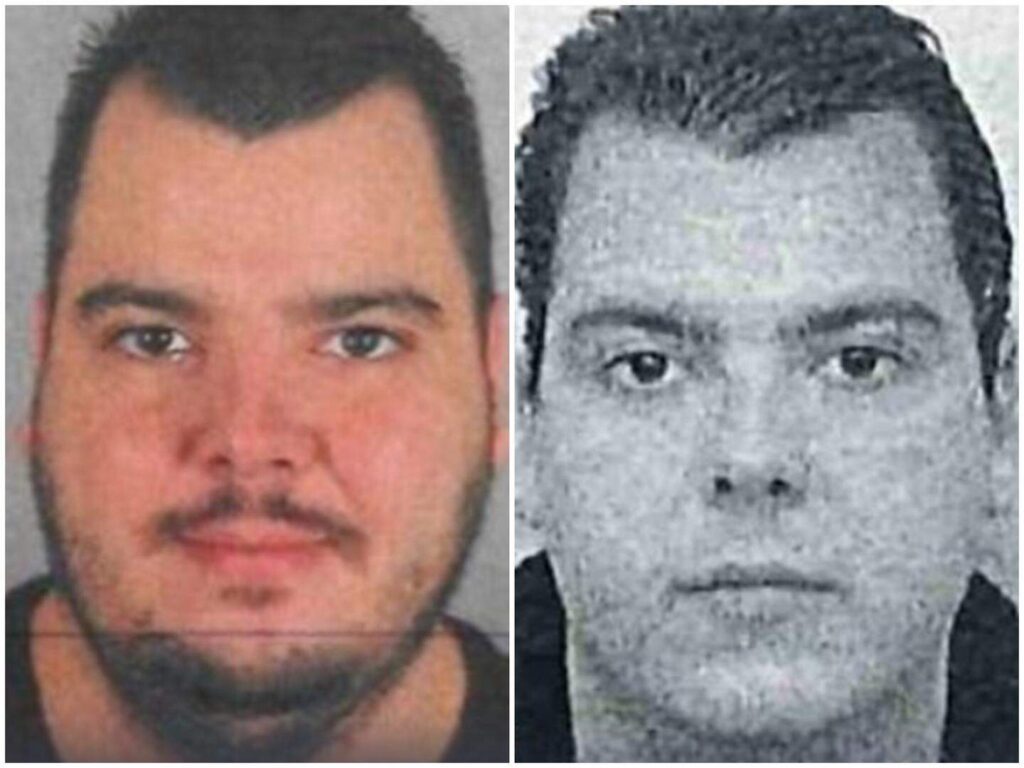
The renewed international pressure surrounding convicted Dutch drug trafficker Jos Leijdekkers, whom Dutch authorities say has been in Sierra Leone, raises a question that deserves serious public attention: Could ordinary Sierra Leoneans ultimately bear the consequences of a case for which they have no responsibility?


Dutch authorities have publicly called for Sierra Leone’s cooperation in efforts to secure Leijdekkers’ arrest and extradition. Against that backdrop, reports of possible European measures concerning Sierra Leone-including potential restrictions on development assistance and visa-related measures-have generated concern about the possible consequences for the wider population.
Any response to the Leijdekkers case, however, raises an important distinction between measures directed at specific individuals or responsible institutions and measures whose effects could extend to citizens who have no connection to the case.
For ordinary Sierra Leoneans in Pujehun, Kailahun, Bo, Port Loko, Koinadugu and other parts of the country, international development cooperation is not simply a matter of diplomacy. Development assistance can contribute to programmes and services on which vulnerable communities depend. If such assistance were significantly reduced, the consequences could potentially be felt far beyond the circumstances surrounding Leijdekkers.
Visa-related measures could raise similar concerns. Students, professionals, families, businesspeople and other Sierra Leoneans who have no connection to the case could potentially face additional difficulties if restrictions affecting travel or mobility were introduced.
Senior officials and wealthier citizens may have greater financial resources, international contacts and alternative options for travel and accessing services. Many ordinary citizens do not have comparable means.
That disparity is worth considering whenever measures with potentially broad social or economic effects are contemplated.
If European governments believe that Sierra Leone has not provided adequate cooperation in the Leijdekkers matter, those concerns can be pursued through established diplomatic, judicial and legal channels. The Government of Sierra Leone, for its part, has a responsibility to address legitimate international concerns while, within the limits imposed by ongoing investigations and legal proceedings, providing the public with credible information about the steps being taken.
At the same time, Sierra Leone’s international partners may wish to distinguish between targeted measures and actions whose consequences could extend to the wider population.
The Government therefore faces a delicate dual responsibility-to respond credibly to international concerns surrounding the Leijdekkers case while protecting Sierra Leone’s broader national interests and seeking to minimise unintended consequences for citizens who have no involvement in the matter.
The central public-interest question is not only what happens to Jos Leijdekkers, but whether the consequences of his case could fall disproportionately on Sierra Leoneans who have nothing to do with it-particularly those least able to absorb the economic and social effects of any measures adopted in response.