

By Karamoh Kabba in Sierra Leone
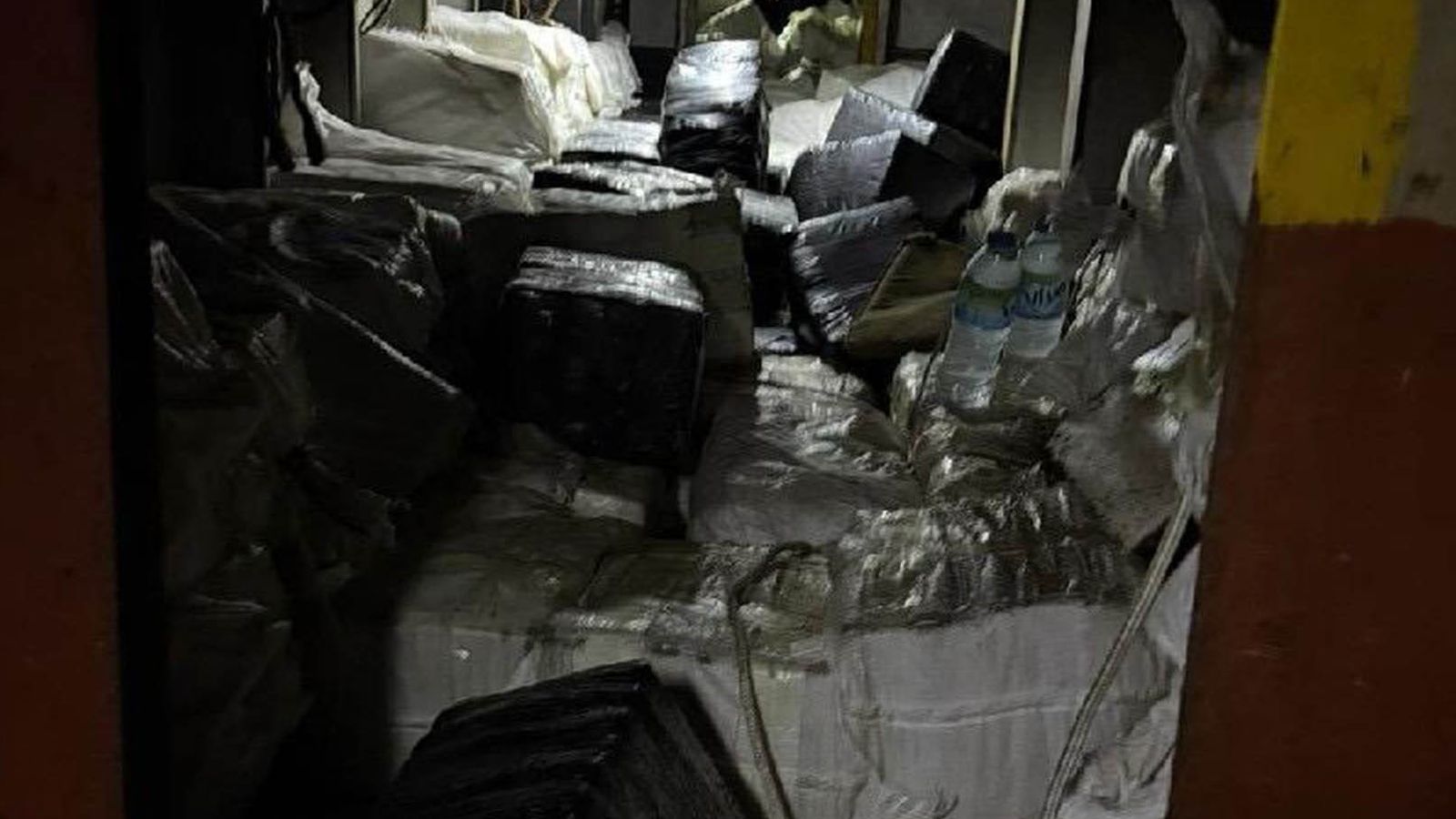
The world took notice when Spanish authorities intercepted a cargo vessel off the coast of Western Sahara carrying an estimated 35,000 to 40,000 kilograms of cocaine. But the shock cut far deeper in Sierra Leone and across its diaspora because the ship had departed from Freetown.


Our nationals may not be involved, and our authorities may not have known, but the vessel sailed from our waters, passed through our systems, and slipped through our institutions. Whether or not Sierra Leone played a direct role, the country’s name is now stamped on one of the largest cocaine seizures in Spain’s history.
This is not just a headline. It is a mirror held up to the world’s perception of us. Many ordinary citizens may not yet grasp the scale of the seizure or its implications, but the international community—especially those monitoring global cocaine routes—certainly does. And what they see is a country increasingly vulnerable to the global drug economy, especially given the long‑standing presence of a notorious drug trafficker, Jose Lashdeker, within our borders.
The uncomfortable truth is that Sierra Leone, like much of West Africa, is becoming a soft target for transnational criminal networks. This incident forces us to confront a question we have avoided for too long: How did a vessel carrying tens of thousands of kilograms of cocaine leave our port without detection, suspicion, or accountability? Are we operating a port that cannot see, a system blind to crimes that risk permanently pockmarking our national image?
The Freetown Port is the economic heartbeat of Sierra Leone, yet this scandal exposes its soft underbelly. It suggests a system where weak cargo inspection protocols, limited maritime surveillance, underinvestment in customs technology, and symbolic rather than functional oversight create fertile ground for exploitation.
When a ship carrying 40 tonnes of cocaine can depart unnoticed, the issue is not the ship—it is the system. And the problem may not be limited to incompetence; it may also involve personal gains for those positioned to benefit from the system’s weaknesses.
This is not about blaming individuals. It is about acknowledging institutional fragility—fragility that individuals may be exploiting. Sierra Leone’s port security architecture was never built to withstand the sophistication of modern transnational crime, and criminal networks know it. They study weaknesses. They exploit gaps. They thrive where oversight is weak and accountability is optional.
For years, international agencies have warned that West Africa is becoming a transit corridor for cocaine destined for Europe. Weak borders, corruption vulnerabilities, and limited maritime enforcement make the region attractive to cartels seeking low‑risk routes.
Sierra Leone is now part of that map, whether we admit it or not. Whether authorities are complacent, overwhelmed, or complicit is yet to be determined. But the pattern is undeniable. Guinea‑Bissau has long been labeled a narco‑state. Ghana, Senegal, and Nigeria have recorded major cocaine interceptions. The Gulf of Guinea is now a known trafficking corridor.
The question is no longer whether West Africa is being used. The question is whether our governments are prepared—or even willing—to defend their sovereignty against criminal infiltration.
The domestic connection makes this scandal even more painful. Sierra Leone is fighting a devastating Kush epidemic that is destroying the lives of thousands of young people. Families are grieving. Communities are collapsing. The nation is crying out for solutions. Yet while our youth inhale poison on the streets, 40,000 kilograms of high‑value narcotics quietly pass through our port on their way to Europe. The contradiction is staggering.
We are losing our youth to drugs. We are losing our ports to traffickers and possibly their local accomplices. We are losing our reputation to international criminal networks. A country that cannot protect its young people and cannot secure its borders is a country drifting without direction—while a few profit from the chaos.
Sierra Leone must confront this moment with honesty and courage. The world is watching. Our future is at stake, and our young people are dying on the streets of Freetown and beyond.