

By Albert David
Across the African continent, South Africa occupies a unique moral space. It is the nation whose liberation struggle inspired an entire generation of Black Africans. It is the country for which Africans marched, protested, donated, lobbied, and sacrificed. It is the land whose freedom was treated as a continental victory, a symbol that African unity could defeat even the most entrenched systems of racial domination.


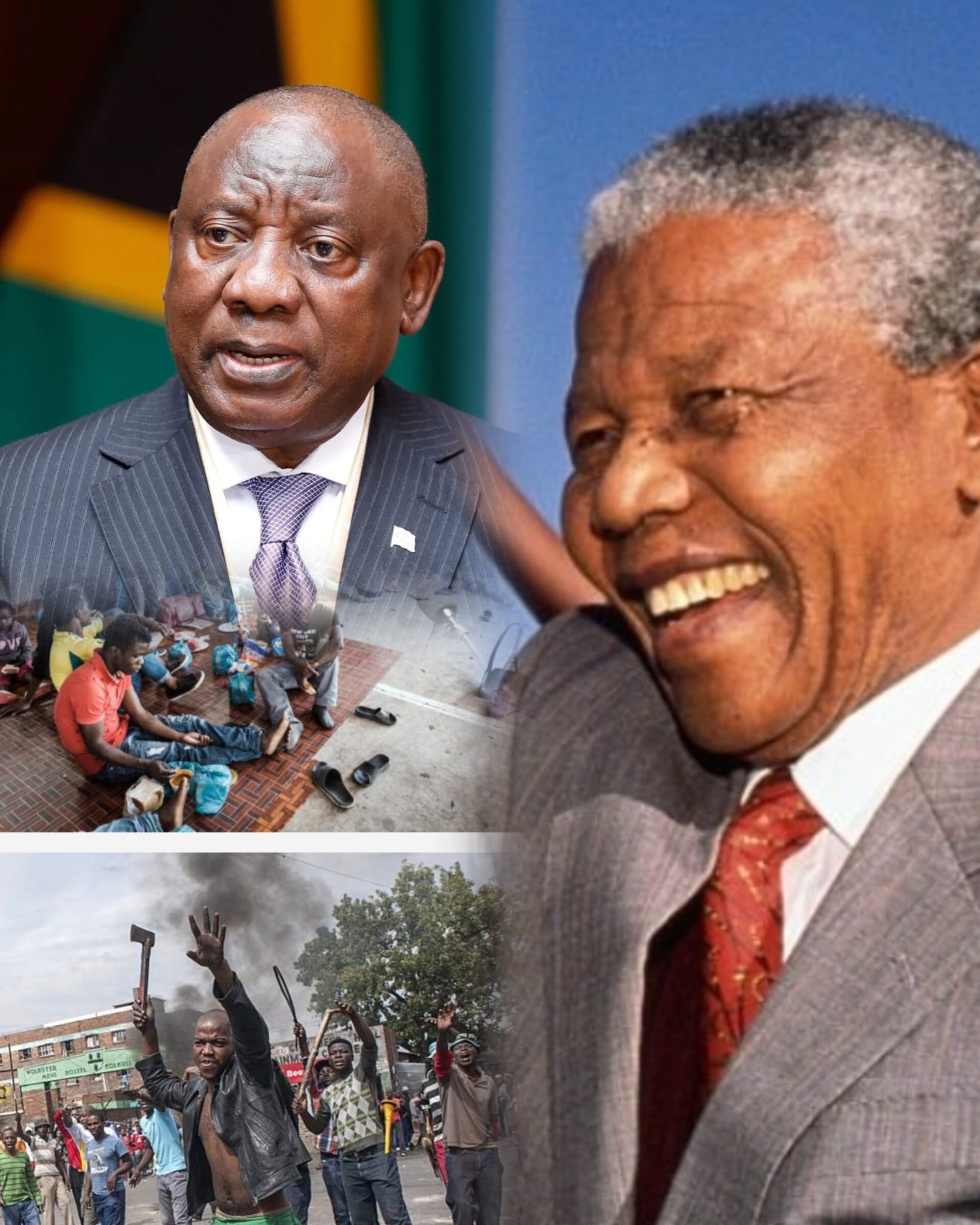
Yet today, the world is confronted with a deeply unsettling contradiction. The same nation once defended by all of Africa is now witnessing waves of violence, intimidation, and exclusion directed not at former oppressors, but at fellow Black Africans. This is not merely disappointing. It is civically disturbing, constitutionally alarming, and morally devastating.
For decades, African countries, from West to East, from the Sahel to the Great Lakes, stood firmly behind South Africa’s liberation movements. They provided diplomatic protection in global forums, financial support to anti‑apartheid organizations, training, shelter, and political asylum for activists, provided amongst other things, moral legitimacy to the struggle for equality. This continental solidarity was not transactional. It was rooted in a shared belief that freedom for one African nation strengthens freedom for all. That is why the current wave of xenophobic violence is not just a South African issue, it is a continental wound.
Years ago, public discourse in South Africa was dominated by anger directed at White South Africans, framed around land ownership, economic inequality, and historical injustice. International media amplified this narrative. World leaders including President Donald Trump, Elon Musk, and many political actors abroad commented on it, and we the White House widely circulated Images and videos related to the matter.
But then few months afterwards, something shifted. The anger that was once directed upward, toward historical structures of inequality, began turning sideways, toward vulnerable Black African migrants who had no role in apartheid, no ownership of vast land, and no control over national wealth. This shift is not only sociologically revealing, it is politically dangerous.
Over the past months, the world is witnessing Black Africans beaten in the streets of South Africa, their businesses looted and burned, pregnant women and children attacked, workers, children and pregnant women prevented from accessing hospitals and public services, long‑term residents, taxpayers, employers, and contributors to the economy, treated as enemies. These are not isolated incidents. They reflect a pattern, one that raises serious constitutional and civic questions.