
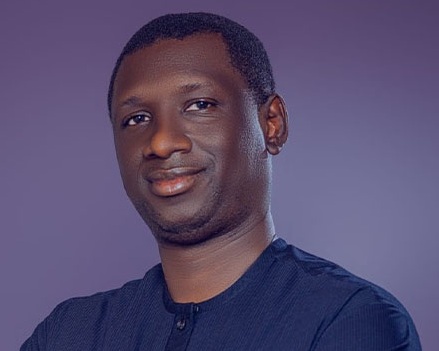
“Heal, Unite, Build”: Dr. Bangura Unveils Agenda for Youth, Women Ahead of 2028*
By: Nelson Adebayo Johnson


DIB Movement leader Dr. Ibrahim Bangura has urged supporters to intensify grassroots mobilization, declaring that the 2028 elections will be won through unity, discipline, and a focus on young people and women.
Addressing a crowd of supporters from Kailahun, Kono and Kenema districts this week, Dr. Bangura said the time for preparation is now.
_”At this stage we take no chance. We have to win,”_ he stated.
He directed the movement’s executive to expand its structures and increase voter outreach across chiefdoms and communities.
_”Who don’t believe I am the next president come 2028. We all need to work with oneness to make this possible,”_ he added.
Dr. Bangura said youth exclusion from national development has gone on for too long and must be reversed.
_”It is no secret that governments have disconnected the young people in the development of Sierra Leone. We need to work together to gain our lost glory,”_ he said.
He pledged that his administration would place women and young people at the center of policy, job creation, and decision-making.
_”Sierra Leone is bigger than us and we must work for the future of our young generations,”_ he noted.
The DIB leader outlined his vision under the theme *”Heal. Unite. Build.”*
- *Heal* – promote forgiveness and national reconciliation
- *Unite* – bridge political, regional and tribal divides
- *Build* – invest in education, jobs, and infrastructure for the next generation
_”Forget and forgive ourselves whatever that has happened,”_ he told supporters.
Dr. Bangura distinguished his approach from typical politics, calling for a message-driven campaign.
_”My political campaign is different. Don’t use abusive language to others, but with my message and vision, Sierra Leone will rise again,”_ he said.
Kailahun, Kono and Kenema form the eastern voting bloc. Per ECSL 2023 figures, the three districts had over 800,000 registered voters.
Youth make up over 60% of Sierra Leone’s population, and women’s representation in Parliament remains below 15%, according to UNDP data. Both demographics are expected to shape the 2028 election outcome.