
By Albert David
Sierra Leone’s democracy was not handed to us. It was fought for, in blood, in sacrifice, in national trauma, and in the collective determination to never again allow injustice, fear, and institutional abuse to define our national identity. Today, however, many citizens and observers are raising concerns that the country is drifting toward a dangerous pattern. That is the weaponization of state institutions, the politicization of justice, and the erosion of constitutional guarantees that form the bedrock of our democratic order. Let us examines these concerns through the lens of the 1991 Constitution, the rule of law, and the principles of democratic governance.


The 1991 Constitution is unambiguous about the rights of citizens. Key provisions include Section 15- Recognition and protection of fundamental human rights and freedoms, Section 16- Right to life, Section 17- Protection from arbitrary arrest and detention, Section 18- Protection from deprivation of personal liberty, Section 23- Right to a fair hearing, Section 25- Freedom of expression, Section 26- Freedom of assembly and association, and Section 27- Protection from discrimination. These rights are not optional, they are not political favours, they are constitutional obligations binding on every arm of government. When these rights are applied selectively, inconsistently, or vindictively, the Constitution itself becomes weakened, not in theory, but in practice.
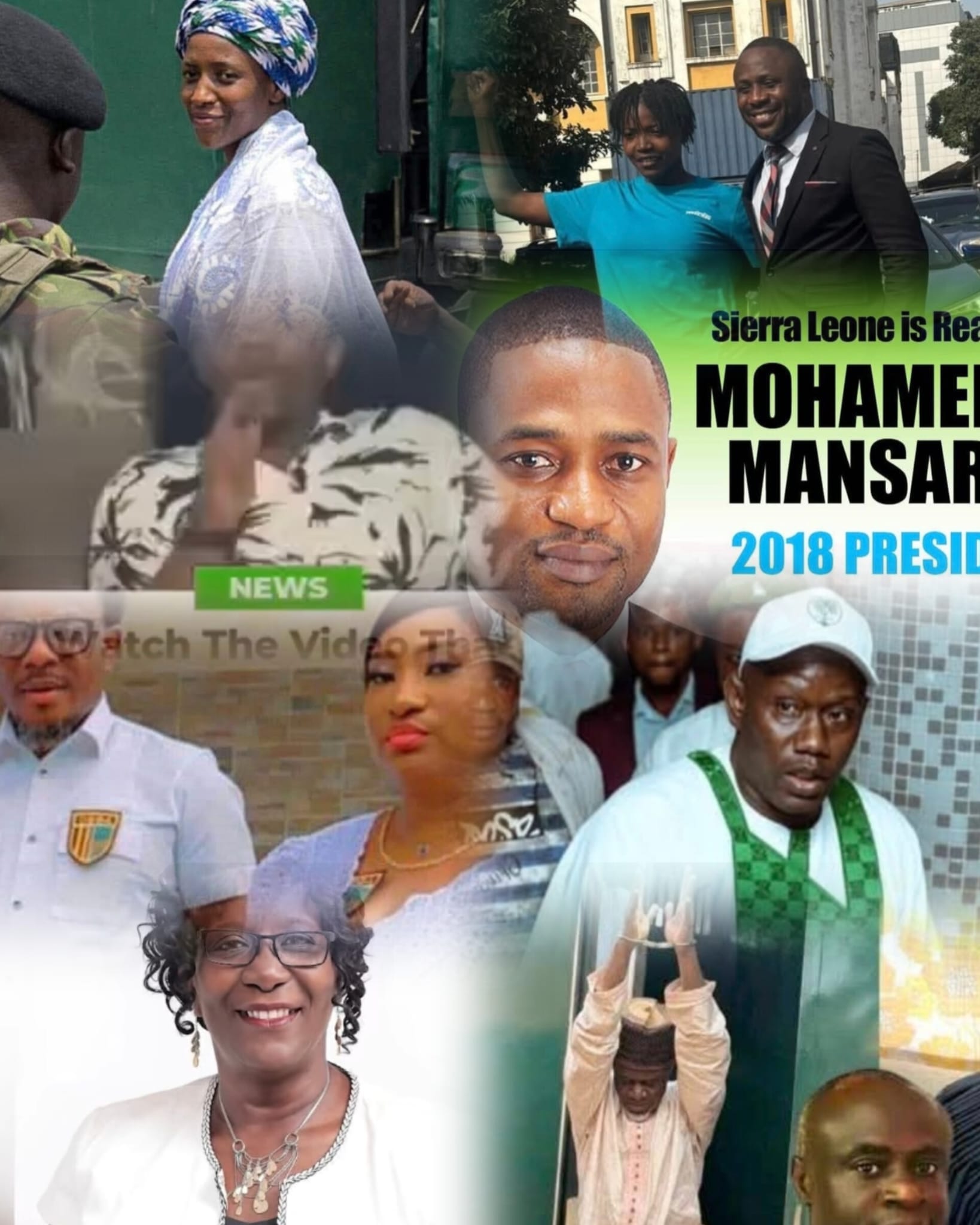
Across the country, citizens have observed a troubling pattern in which similar statements, similar actions, and similar offences are treated differently depending on who commits them. Some individuals face immediate arrest, denial of bail, accelerated prosecution, and harsh sentencing. While others, often with political influence or alignment, face no arrest, no investigation, no fine, no judicial scrutiny, and no consequences. This inconsistency raises profound civic and constitutional questions. Is the law being used as a shield for some and a sword against others? Can justice be considered justice when it is predictable only by political affiliation? What happens to national unity when citizens believe the law is not neutral? Selective justice is not merely unethical, it is destabilizing, undevelopmental, and dangerously corrosive to public trust.
A democracy collapses quietly when its institutions stop serving the people and begin serving power. Concerns raised by citizens and civil society include perceived political influence over judicial decisions, disproportionate sentencing for politically sensitive cases, rapid prosecutions for critics versus slow or nonexistent action for allies, and use of state security agencies to intimidate dissenting voices. These patterns, if left unchecked, risk transforming the judiciary from a guardian of rights into an instrument of fear. The Constitution anticipates this danger. Section 120(3) states that the judiciary “shall be independent and subject only to this Constitution and the law.” When judicial independence is compromised, or even appears compromised, the entire democratic structure becomes fragile.
Sierra Leone has spent decades rebuilding its international reputation as a stable democracy, a peaceful nation, a country committed to rule of law, and a state that protects civic freedoms. Selective justice undermines all of this. It signals to the world that institutions can be manipulated, dissent can be punished, critics can be silenced, and constitutional rights can be overridden. This is not only unprincipled, it is undevelopmental. No nation can attract investment, build trust, or strengthen governance when its justice system is perceived as unpredictable or politically influenced. Section 25 of the Constitution guarantees freedom of expression. This includes the right to criticize government, discuss governance failures, raise concerns about electoral malpractice, advocate for reform, and express dissenting opinions.
Democracy requires dissent. Silencing dissent does not create peace, it creates pressure. The Constitution does allow restrictions on speech that incites violence or threatens public order. But such restrictions must be necessary, proportionate, and applied equally to all citizens. When similar statements produce different legal outcomes depending on who speaks, the issue is no longer about public order, it becomes about selective enforcement. A democracy cannot thrive when citizens fear speaking, organizing, criticizing, questioning, and demanding accountability. When arrests, prosecutions, or harsh sentences appear politically motivated, the result is civic silence, public fear, weakened institutions, declining trust, and a rising resentment. This is not stability, it is suppressed instability.
Sierra Leone does not need more fear. It needs constitutional literacy, independent institutions, transparent judicial processes, equal application of the law, civic education, peaceful advocacy, and national dialogue.
A strong democracy is not built by silencing critics. It is built by strengthening institutions, respecting rights, and ensuring that justice is blind, not selectively applied.
When justice becomes selective, democracy becomes fragile. When institutions serve power instead of the people, the Constitution becomes symbolic instead of protective. Also when citizens fear to speak, the nation loses its voice. Sierra Leone’s future depends on our collective insistence that the law must be neutral, institutions must be independent, rights must be protected, justice must be equal, and democracy must be defended. Not through violence, not through intimidation, but through civic courage, constitutional fidelity, and uncompromising commitment to the rule of law.